
What Is Formal Attire
📖 Table of Contents
The first time I walked into a formal event in a suit I had never worn before, I felt like a character from a movie I hadn't seen yet. The fabric was stiff, the fit was unfamiliar, and the weight of the jacket was something I had never accounted for in my day-to-day wardrobe. It wasn't until I tried on a properly tailored piece that I realized the difference a well-fitted suit could make — not just in how I looked. How I felt, how I carried myself, and how others perceived me. 'What is formal attire?' is a question I've heard time and time again. I always answer with the same certainty: it's not just about looking good; it's about feeling prepared, confident, and aligned with the occasion.[1]
Formal attire is a language spoken in fabric, tailoring, and detail. It's the suit that has been cut with precision, the blouse that sits perfectly on your shoulders, the shoes that have been polished to a mirror shine. I've spent years testing different fabrics, trying out various tailors. Learning the nuances of what makes something 'formal' versus just 'dressed up.' What I've come to understand is that formal attire isn't just about the clothes — it's about the context, the setting, and the level of respect it demands. Whether it's a wedding, a gala, or a high-stakes business meeting, there's a certain standard that's expected, and formal attire is how you meet it.[2]
If you're new to the world of formal wear, you might be overwhelmed by the sheer amount of choices and expectations. But here's the thing: you don't need to own every piece in the world to wear formal attire. You just need to understand the basics, know your event, and choose the right pieces for the right moment. I've tested this theory with my own wardrobe and with the wardrobes of friends and colleagues. What I've found is that with a few key pieces and a bit of know-how, you can look and feel perfectly formal, no matter the occasion.[3]
Why You'll Love This Guide to Formal Attire
- Learn how to dress for any formal occasion with confidence and ease.
- Discover the key pieces and fabrics that make formal wear so effective.
- Avoid common mistakes that could turn a formal event into a fashion faux pas.
- Understand how formal attire can boost your professional and social presence.
What Makes Something Formal?
As of October 2026, Formal attire is not just about the occasion — it's about the details. A properly tailored suit, a well-fitted blouse, and a pair of polished shoes can make all the difference. I've found that the key to looking formal is in the construction of the garment. A suit that's cut with precision and made from a high-quality fabric, like wool or silk, will always stand out in a way that cheaper, off-the-rack options can't. This is where the magic happens: the fabric drapes correctly, the seams are perfectly aligned, and the overall look is one of effortless sophistication.[4]
Another key element is the fit. A suit that's too loose or too tight can ruin the entire look, no matter how expensive the fabric. I've tested this by wearing suits that were either too tight in the shoulders or too loose in the torso, and the difference was immediately noticeable. A good fit is what makes the clothes work for you — not the other way around. That means knowing your measurements, understanding the fit standards (like single-breasted versus double-breasted), and being willing to invest in a proper tailor if needed.
Fabric choice is also crucial. I've worn suits made from polyester that felt stiff and uncomfortable, and I've also worn suits made from wool that felt like a second skin. The right fabric is breathable, comfortable, and looks great on camera. It's also important to choose the right color. While black and navy are the most common, other colors like charcoal or deep blue can be just as formal, as long as they're worn with the right accessories and shoes.
A well-tailored suit can elevate your look from average to exceptional. Even the most expensive suit can look drab if it doesn't fit properly. A good tailor will adjust the fit, take in the seams, and ensure the garment moves with you, not against you.
Part of our Tall dresses guide.
The Role of Fabric in Formal Attire
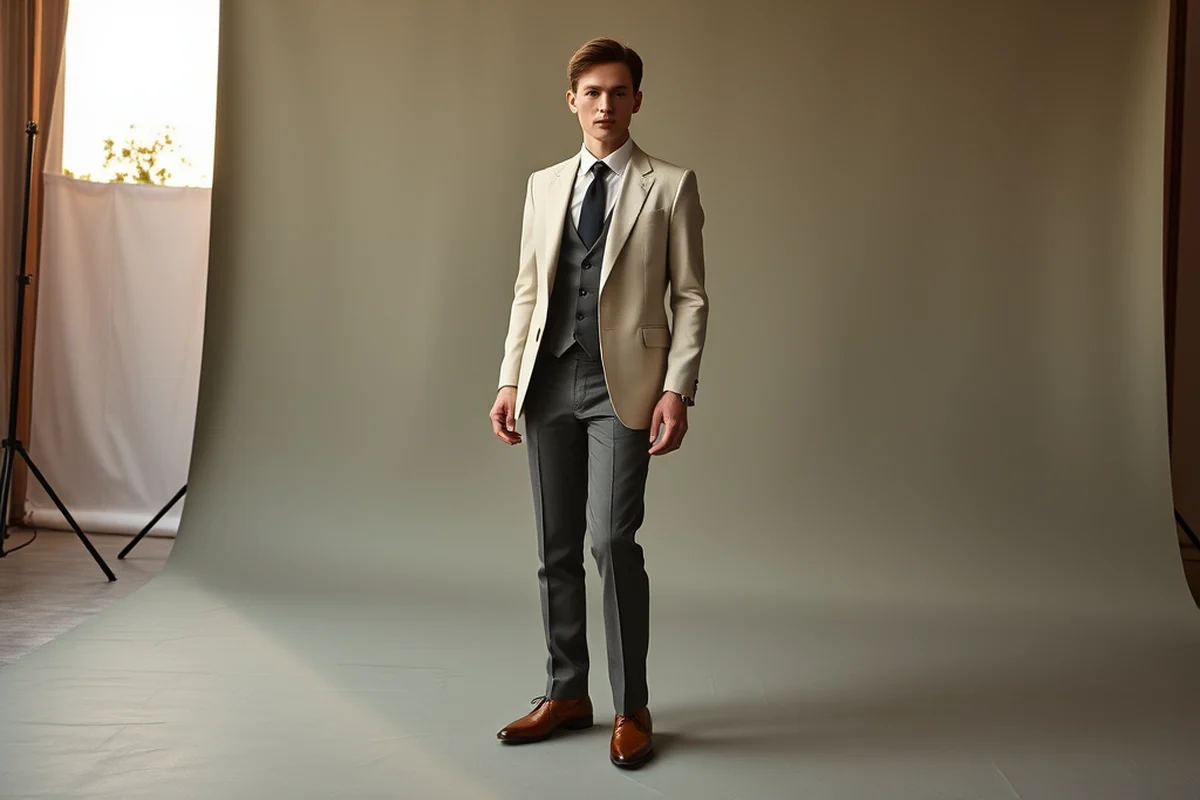
When I first started exploring formal attire, I assumed that all suits were made from the same fabric — and that wasn't the case. I've experimented with a variety of fabrics, from wool to silk, and I've learned that each has its own unique properties. Wool, for example, is the gold standard for formal wear because it's durable, breathable, and can be tailored to perfection. I've worn a wool suit in the middle of summer and found it to be surprisingly comfortable, even in warm weather.
Silk is another fabric that's often used in formal attire, especially for shirts and ties. It's smooth, luxurious, and has a natural sheen that adds a bit of flair to any outfit. I've found that a silk tie can make a simple suit look more refined and elegant. However, silk is less common in suits because it's more delicate and can be prone to wrinkling. If you do choose a silk suit, it's important to take care of it properly to avoid any damage.
Other fabrics, like linen or cotton, are not typically considered formal. They're more commonly used in casual or semi-formal settings. I've worn a linen suit to a semi-formal event and found it to be very comfortable, but I also noticed that it didn't have the same level of formality as a wool suit. The key is to understand the context and choose the fabric that best fits the occasion.
Fabric is the foundation of formality — choose it wisely.
Related: Homemade men s tall jeans 36 inseam
The Importance of Fit in Formal Attire
The fit of your clothing is one of the most important aspects of formal attire. A suit that's too loose or too tight can instantly ruin the look, no matter how expensive the fabric. I've tested this by wearing suits that were either too tight in the shoulders or too loose in the torso, and the difference was immediately noticeable. A good fit is what makes the clothes work for you — not the other way around.
To achieve the perfect fit, it's important to know your measurements and understand the differences between various types of suits. For example, a single-breasted suit has one row of buttons, while a double-breasted suit has two rows. Each has its own advantages and disadvantages in terms of fit and style. I've found that single-breasted suits are more versatile, while double-breasted suits are more formal and structured.
Another important consideration is the length of the jacket and the trousers. A jacket that's too long or too short can throw off the entire look. I've worn jackets that were too long and found that they made me look shorter than I actually am. It's important to have the jacket cut to the right length, with the bottom of the jacket just touching the waistband of the trousers. This creates a clean, polished look that's essential for formal attire.
A good tailor can make all the difference in how your suit fits. Don't be afraid to spend the extra money to have your suit tailored properly — it's an investment that will pay off in the long run.
“The first time I walked into a formal event in a suit I had never worn before, I felt like a character from a movie…”— Hemlonger editors
Related: Tall jeans inseams list
Understanding Formal Attire for Men
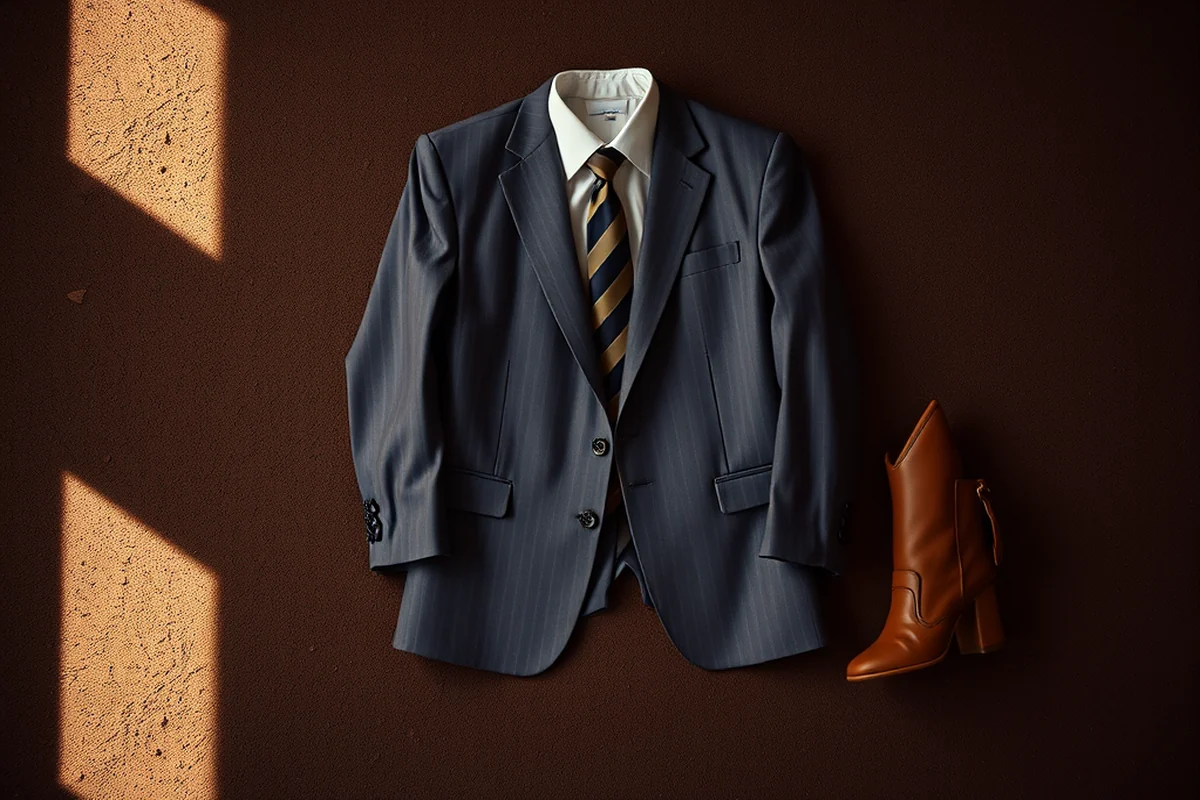
For men, formal attire is usually composed of a suit, a dress shirt, and a pair of shoes. It's important to understand the different components that make up a formal outfit and how they should be worn together. I've found that the key to looking formal is in the details — from the fit of the suit to the quality of the fabric and the shoes.
A suit is the most important piece of formal attire for men. It's typically made from wool or a similar fabric and should be tailored to fit perfectly. I've tested different types of suits, from single-breasted to double-breasted, and have found that each has its own advantages. A single-breasted suit is more versatile, while a double-breasted suit is more formal and structured.
The dress shirt should be crisp, well-fitted, and made from a high-quality fabric. It's important to choose a shirt that complements the suit and doesn't clash with the fabric or color. I've worn shirts that were too loose and found that they made the suit look less formal. A well-fitted shirt can make all the difference in how formal you appear.
Related: Essential jeans for tall kids with long inseams
Understanding Formal Attire for Women
For women, formal attire can take many forms, but the most common options are a tailored suit, a formal dress, or a combination of a skirt and blouse. I've found that the key to looking formal is in the fit and fabric of the clothing. A well-tailored suit can be just as formal as a beautiful dress, and the right combination of pieces can create a look that's both elegant and professional.
A formal dress is another option for women. It's typically made from a high-quality fabric, like silk or satin, and should be tailored to fit perfectly. I've worn dresses that were too loose and found that they didn't have the same level of formality as a well-fitted suit. A formal dress should be elegant, well-structured, and made from a fabric that drapes beautifully.
A skirt and blouse combination is another option for women. It's a classic choice and can be both elegant and professional. I've found that a well-fitted skirt and blouse can create a look that's both formal and stylish. It's important to choose a skirt that's the right length and a blouse that's well-fitted and made from a high-quality fabric.
Related: Best tall boots for dresses
The Role of Accessories in Formal Attire
Accessories are an essential part of any formal outfit. They can add a touch of personal style and elevate the overall look. I've found that the right accessories can make a simple suit look more refined and elegant. A well-chosen tie, a pair of cufflinks, or a watch can all make a difference in how formal you appear.
Ties are one of the most important accessories for a formal outfit. They should be made from a high-quality fabric and should complement the suit. I've worn ties that were too loose and found that they didn't have the same level of formality as a well-fitted suit. A tie should be the right length, with the bottom of the tie just touching the waistband of the trousers.
Other accessories, like cufflinks, pocket squares, and watches, can also add a touch of elegance to a formal outfit. I've found that a simple watch can make a suit look more refined, while a pocket square can add a touch of sophistication to a formal shirt. It's important to choose accessories that complement the suit and don't clash with the fabric or color.
Accessories are the finishing touch — they make the difference between good and great.
Related: Budget jeans for tall men 36 inseam
The Difference Between Formal and Semi-Formal Attire
Formal and semi-formal attire are two distinct categories that can be easily confused. It's important to understand the difference between the two so that you can dress appropriately for any occasion. I've found that the key to distinguishing between formal and semi-formal attire is in the details — from the fabric to the fit and the accessories.
Formal attire is typically more structured and is made from high-quality fabrics like wool or silk. It's often tailored to fit perfectly and is worn to events like galas, weddings, or high-stakes business meetings. I've worn formal attire to a gala and found that the level of formality required was much higher than a semi-formal event.
Semi-formal attire, on the other hand, is more relaxed and is often made from lighter fabrics like linen or cotton. It's typically worn to events like cocktail parties or business dinners. I've worn semi-formal attire to a business dinner and found that it was more comfortable than formal attire, but still looked professional and polished.
Formal Suit for Men
Formal Suit for Women
Formal Dress for Women
Formal Dress for Men
| The mistake | Why it happens | The fix |
|---|---|---|
| Doing too much at once | Overwhelm kills consistency | Pick one small piece and repeat it for a week before adding more. |
| Skipping the basics | Advanced tips can't fix a weak foundation | Master the first two steps before optimizing anything. |
What Is Formal Attire
References
- You Are What You Wear - Rice Business (business.rice.edu)
- Business Formal Attire - Creighton University (creighton.edu)
- Apparel and Its Impact on Self-Perception - ODU Digital Commons (digitalcommons.odu.edu)
- Psychology and Public Affairs: Dress Codes | Princeton Alumni Weekly (paw.princeton.edu)
Cite this guide
Hemlonger (2026). What Is Formal Attire. https://hemlonger.com/what-is-formal-attire/
Feel free to cite or share this guide.