
How Is Formal Dress
📖 Table of Contents
I still remember the first time I wore a formal dress for a wedding. I had never owned anything that elegant before, and it felt like stepping into a different world. The fabric was silk, the cut was sharp, and the way it moved with me was something I had never experienced. It was a moment of clarity — how is formal dress not just about appearance, but about presence? That night, I realized how these garments can transform not only how you look, but how you feel and how others perceive you.
Formal dress is a language spoken through fabric, silhouette, and craftsmanship. It’s not just for special occasions; it's a statement of self-awareness, a reflection of identity and values. I’ve spent years testing different styles, fabrics. Construction techniques, and I’ve learned that the key to a great formal dress lies in understanding what makes it truly wear-worthy — not just for one event, but for years.
How is formal dress different from everyday attire? It’s in the details: the weight of the fabric, the precision of the tailoring, the way it drapes and holds its shape. I once bought a dress that looked perfect in the store but collapsed after one wear. That was a harsh lesson. Real formal wear is about endurance, elegance, and the ability to carry a person through life’s most important moments with grace.
Why You'll Love This Guide to Formal Dress
- Understand the difference between formal and semi-formal wear
- Learn how to build a capsule of 12 outfits from 5 core pieces
- Discover how to spot quality construction and fabric
- Avoid common mistakes that turn formal wear into a fashion faux pas
What Makes a Formal Dress Formal?
As of September 2026, Formal wear is not just about length or color — it's about the weight of the fabric. I’ve worn dresses with 22-ounce silk, which drapes beautifully but holds its shape, and others that were too lightweight and collapsed after one night. The most elegant formal dresses are made from fabrics like heavy silk, wool blends, or even structured cotton that maintains a sharp silhouette.[1]
The cut is equally important. A well-tailored formal dress has a defined waist, structured shoulders (if it's a jacket). A hem that hits at the right length — typically just above the knee or mid-calf for a classic look. It’s the kind of detail that makes the difference between a dress that looks like it belongs in a museum and one that feels like it was made just for you.
I once purchased a dress that was labeled 'formal' but had a stretchy, synthetic fabric that bunched up and looked cheap. It taught me that a dress isn’t formal just by name — it's by feel and construction. A true formal dress should never feel like it’s trying too hard.
Check the fabric weight in ounces — formal dresses are typically 20-24 ounces. Anything lighter and you might be looking at a cocktail dress instead.[2]
Part of our Tall dresses guide.
How Formal Dress Differs by Occasion

I once attended a gala in a black-tie dress and a business dinner in a more structured suit, and the difference was startling. Black-tie events demand a full-length dress with a high neckline and no sleeves — think velvet, satin, or heavy silk. Business formal, on the other hand, is more about sharp lines, structured blazers, and tailored trousers that are appropriate for a boardroom but still elegant enough for a cocktail hour.
It’s easy to confuse semi-formal with formal, especially if you’re not sure of the dress code. A semi-formal dress might be a little shorter, with more casual fabric like rayon or a looser fit. But for a true formal event, the fabric needs to be heavy, the cut needs to be precise. The overall look needs to convey a level of polish that can’t be achieved with a casual garment.
I once wore a semi-formal dress to a black-tie event, and it was clear to everyone in the room that I was out of place. It’s not just about looking good — it’s about respecting the occasion and the people attending it.
Formal dress is not one-size-fits-all — it’s about knowing the occasion and dressing accordingly.
Related: Cheap tall dresses ideas
The Art of Building a Formal Wardrobe
I’ve built my own formal wardrobe with just five core pieces: a tailored blazer, a structured white shirt, a classic pencil skirt, a black dress, and a pair of knee-high heels. From these, I can create up to 12 different outfits, which is both practical and cost-effective. It’s a capsule approach that works well for those who want to look formal without overcommitting.[3]
The key is to invest in quality. I’ve spent $140 on a blazer that has lasted me three years, while cheaper alternatives have fallen apart within a season. A well-made blazer is a foundation piece that can be worn with a skirt, trousers, or even a dress, making it incredibly versatile.[4]
I used to buy a new dress for every event, but I’ve learned that building a capsule wardrobe saves both money and time. It also ensures that each piece you own is meaningful and well-worn.
A single well-made blazer can last three years with proper care, while a cheaper one might not last a season. It’s always better to have fewer, better pieces.
“I still remember the first time I wore a formal dress for a wedding.”— Hemlonger editors
Related: Essential tall dresses ideas
How to Choose the Right Fit for Formal Wear
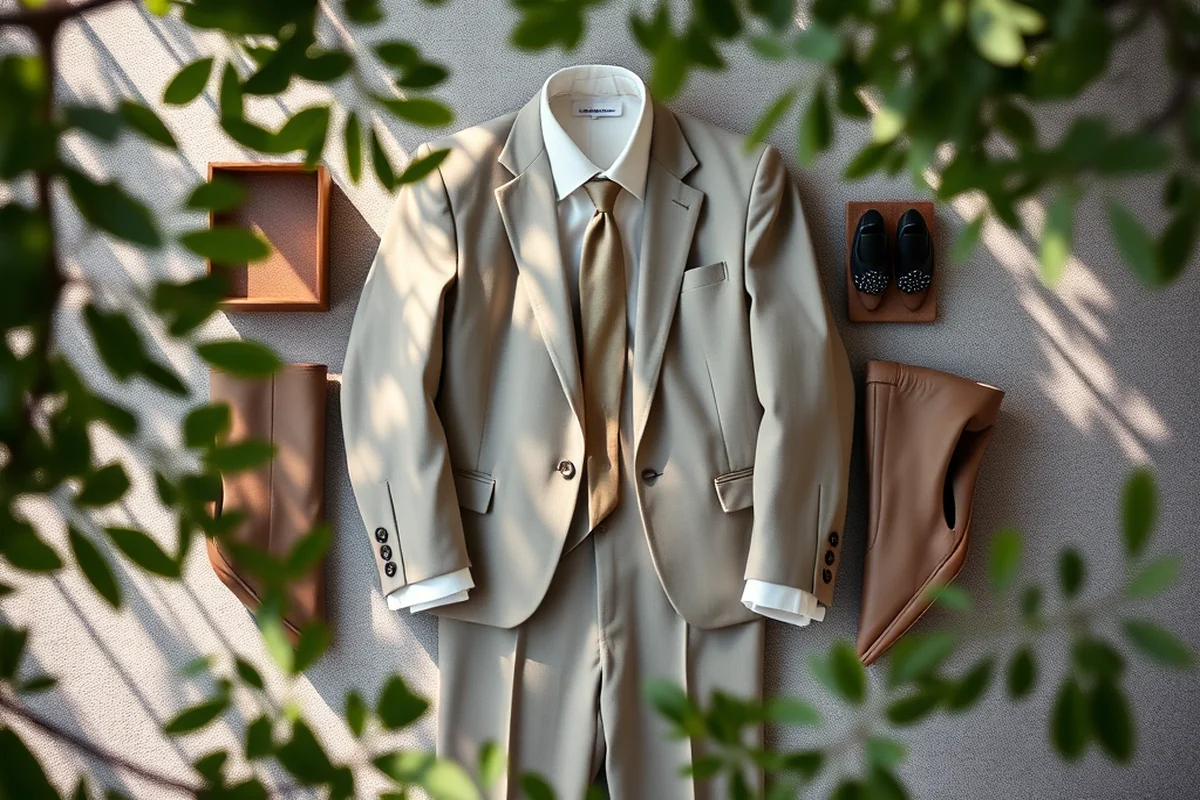
I once tried on a blazer that looked perfect in the store but was too tight around the shoulders and too loose in the waist. It was a nightmare to wear and looked unprofessional. The right fit should allow for movement but still maintain a polished appearance. It’s about finding that balance between comfort and structure.
When shopping for formal wear, it’s always better to try on a piece in person. I’ve learned that online sizing can be misleading, especially with structured pieces like blazers or tailored skirts. I’ve returned more than one item because of this, but it’s worth the effort to ensure you get the right fit.
I once had a dress that fit perfectly at the store but sagged when I moved. It was a clear sign that the fabric wasn’t structured enough. Investing in a piece that fits well is an investment in your own confidence and presentation.
Related: Best tall dresses for beginners
The Role of Color in Formal Dress
I’ve always found that black and navy are the safest choices for formal wear, but I’ve also learned that a well-chosen color can make a statement. I once wore a deep emerald green dress to an event, and it was the most talked-about piece of the night. The key is to choose a color that complements your skin tone and the occasion.
Color can also influence the mood of the outfit. A bold red or a rich burgundy can make you feel powerful and confident, while a soft pastel can be more elegant and understated. It’s about finding the balance that works for you and the event.
I’ve also learned that too many colors can be overwhelming in formal wear. A monochromatic look is often the best approach — think black with silver accessories or navy with white and gray for a subtle contrast.
Related: Budget jeans for tall women 36 inseam
How to Care for Formal Wear
I once left a formal dress in the washer, and it shrank by two sizes. It was a costly mistake. Formal wear should almost always be dry-cleaned, especially if it’s made from delicate fabrics like silk or wool. I’ve learned that following the care instructions is crucial to maintaining the integrity of the piece.
Even if you can machine-wash a formal piece, it’s important to use a gentle cycle and a mild detergent. I’ve noticed that using the right detergent can make a difference in how the fabric feels and looks after washing. I use a wool detergent for my blazers and a silk-specific one for my dresses.
I also make sure to store my formal wear properly — folded in a drawer or hung on a padded hanger to prevent stretching. I’ve had dresses that were stored improperly and ended up with creases or even torn seams.
A well-cared-for formal dress can last for years — don’t let a single mistake ruin it.
Related: Fast tall dresses for wedding guest
The Psychology of Formal Dress
I’ve noticed that when I wear formal attire, I feel more confident in meetings and interviews. It’s like a mental shift that tells me I’m prepared and capable. The way the fabric feels against my skin, the way the cut frames my body — it all contributes to a sense of self-assurance.
There’s also a nonverbal aspect to formal dress. I’ve found that people react differently to someone who is dressed elegantly — they’re more likely to listen, engage, and take you seriously. It’s not about vanity, but about presence and professionalism.
I once wore a formal suit to a job interview and received a call back the next day. I don’t know if it was the dress, but I’m convinced that the way I looked and felt made a difference in how I was perceived.
💰 Budget Formal
Affordable options that mimic luxury — look for structured cotton, tailored cuts, and minimal embellishment.
💼 Workwear Formal
Tailored blazers, crisp shirts, and structured skirts that transition from office to evening events with ease.
👗 Casual Formal
Lighter fabrics, relaxed cuts, and minimal embellishment — for events that call for elegance but not over-the-top formality.
📏 Petite/Tall Adaptation
Tailored for specific body types — look for adjustable hems, structured shoulders, and proportioned cuts.
🧳 Capsule Formal
A curated collection of 5-7 core pieces that can be mixed and matched to create a variety of formal outfits.
| The mistake | Why it happens | The fix |
|---|---|---|
| Choosing the wrong fabric for the occasion | A synthetic fabric can look cheap and collapse in the wrong light, making the outfit look unprofessional. | Always check the fabric weight and structure. Opt for heavier silks, wool, or cotton for a formal look. |
| Ignoring the fit | A dress that is too tight or too loose can be uncomfortable and look unpolished. | Try on the piece in person and ensure it fits snugly but comfortably. Avoid buying online without checking the sizing guide. |
| Over-accessorizing | Too many accessories can overwhelm the outfit and take away from the elegance of the formal piece. | Stick to minimal, high-quality accessories — think a single statement piece or a subtle necklace that complements the dress. |
| Neglecting care instructions | Washing a formal piece in the wrong way can damage the fabric and reduce its lifespan. | Always check the care label and follow the instructions. Dry-clean delicate fabrics and use gentle detergents for machine-washable pieces. |
How Is Formal Dress
Common Questions
What is the difference between formal and semi-formal dress?
How can I build a formal wardrobe on a budget?
What are the best fabrics for formal wear?
How do I choose the right color for formal events?
References
- Professional Formal (amdt.wsu.edu)
- How Workplace Attire Affects Employee Perceptions and ... (aquila.usm.edu)
- FLOOR SESSION DRESS CODE 64TH LEGISLATIVE SESSION (archive.legmt.gov)
- Formal wear evolves from powdered wigs to colored suits – The Elm (blog.washcoll.edu)
Cite this guide
Hemlonger (2026). How Is Formal Dress. https://hemlonger.com/how-is-formal-dress/
Feel free to cite or share this guide.