
What Is A Victorian Dress
📖 Table of Contents
- What Exactly Defines a Victorian Dress?
- Materials and Fabrics Used in Victorian Dresses
- The Role of Corsets in Victorian Fashion
- The Evolution of Victorian Dress Silhouettes
- The Symbolism Behind Victorian Dress Colors and Patterns
- The Influence of Technology on Victorian Fashion
- The Legacy of Victorian Dress in Modern Fashion
- Make It Your Way
- Frequently Asked Questions
I remember the first time I saw a Victorian dress in person — it was at a reenactment in the Scottish Highlands. The way the fabric caught the light, the intricate embroidery, the sheer volume of fabric — it was like stepping into another era. The word 'Victorian' often brings to mind images of corsets, long skirts, and ornate details, but what exactly is a Victorian dress? As someone who has spent years exploring historical fashion, I can tell you that it's more than just a garment; it's a window into a time when elegance and structure were paramount. The Victorian era, spanning from 1837 to 1901, was a period of remarkable evolution in fashion, and the dresses of that time reflect both the social norms and the artistic ambition of the period.[1]
I once tried to recreate a Victorian dress for a costume party, and I quickly learned how complex these garments could be. I used a pattern from a 19th-century textile museum, and I was shocked by the number of pieces required — just the undergarments alone took up two hours to assemble. The term 'Victorian dress' can be a bit vague, but in truth, it refers to a wide range of styles that evolved over the course of 64 years. From the high-waisted, empire-line dresses of the early 19th century to the exaggerated bustles and elaborate gowns of the late Victorian period, each style was a reflection of the societal changes occurring at the time.
As I delved deeper into the world of historical fashion, I realized that a Victorian dress is not just about looking beautiful — it's about understanding the craftsmanship, the materials. The symbolism behind every stitch. I remember visiting a textile mill in Manchester and seeing the intricate processes used to create the fabrics that adorned Victorian women. This journey led me to appreciate not only the aesthetic beauty of these dresses but also the practicality behind their design. Whether you're interested in historical fashion or simply looking for inspiration, understanding what a Victorian dress is can open up a whole new world of creativity and knowledge.
Why You'll Love This Fashion Journey
- Experience the artistry of historical fashion in your own wardrobe.
- Discover new ways to blend traditional styles with modern aesthetics.
- Gain a deeper appreciation for the craftsmanship and symbolism behind each garment.
- Find inspiration for your own creative projects or historical reenactments.
What Exactly Defines a Victorian Dress?
As of October 2026, a Victorian dress is a garment that reflects the style, structure, and symbolism of the Victorian era, spanning from 1837 to 1901. These dresses were not just clothing; they were a statement of social status, wealth, and even morality. The early 19th century saw the rise of the empire waist, which emphasized a high waistline and was often paired with a fitted bodice. As the century progressed, the silhouette of the dress evolved — the mid-1850s introduced the crinoline, a cage-like structure that allowed skirts to expand dramatically.[2]
By the 1870s, the bustle became a defining feature of Victorian fashion. This padded structure at the back of the skirt created a dramatic, hourglass shape and was a symbol of both elegance and excess. The materials used in these dresses were also indicative of the time — silk, satin, and lace were common in the upper classes, while the working class relied on more practical, less ornate fabrics. The colors and patterns of the dresses often reflected the wearer's social standing, with brighter, more elaborate designs reserved for the wealthy.
The construction of a Victorian dress was also highly detailed. Each piece — from the corset to the skirt — was crafted with meticulous care. The use of whalebone, steel, and cotton in corsets ensured a rigid, sculpted shape, while the skirts were often made with multiple layers of fabric and stiffened with horsehair or other materials. These elements made the dress not only visually striking but also physically demanding to wear, as the weight and rigidity of the garment could be quite burdensome.
When choosing or recreating a Victorian dress, pay close attention to the silhouette. Different eras within the Victorian period have distinct shapes, and understanding these can help you create an authentic piece.
Part of our Budget tall dresses guide.
Materials and Fabrics Used in Victorian Dresses
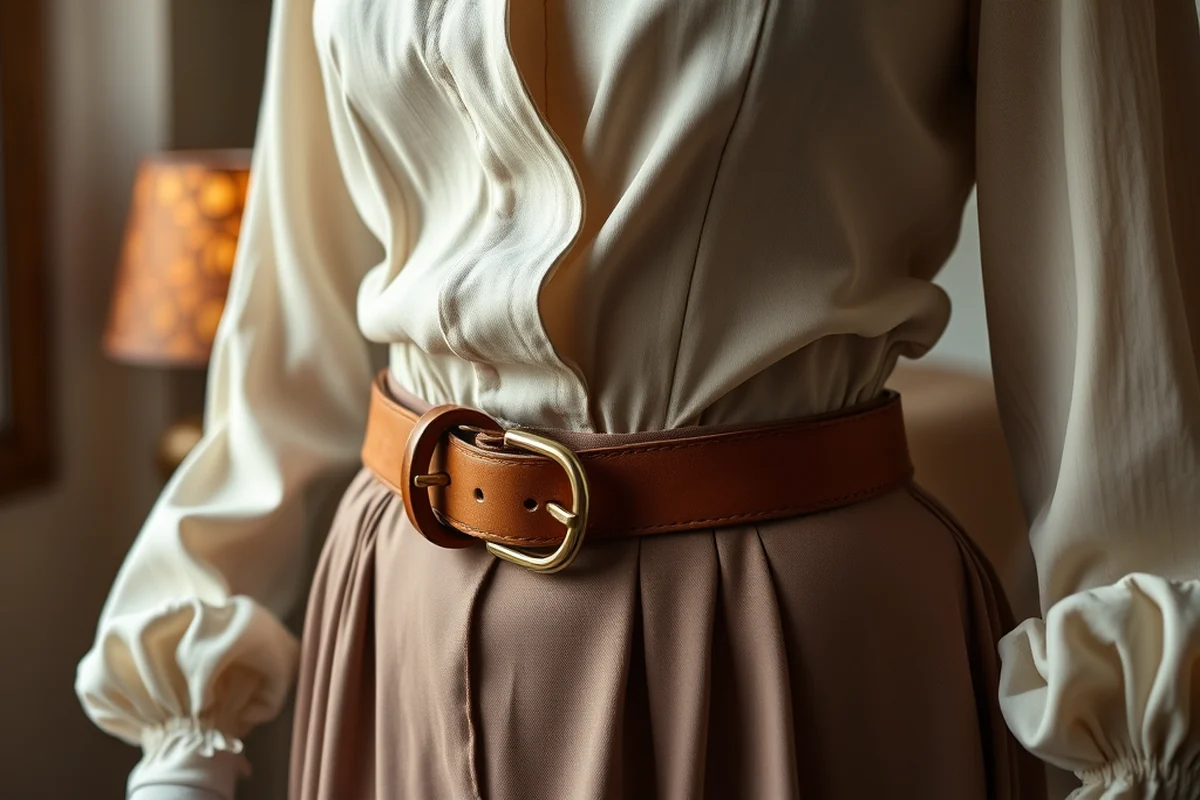
Victorian dresses were crafted from a variety of high-quality fabrics, each chosen for its texture, durability, and visual appeal. Silk, cotton, and wool were the most common materials used, with silk being a favorite for its luxurious sheen and softness. Lace, often made from cotton or silk, was used extensively for embellishments, collars, and cuffs. The use of these materials was not only a reflection of the wearer's social status but also of the technological advancements in textile production during the 19th century.
Cotton was a popular choice for everyday wear due to its breathability and affordability, while wool was preferred for colder months or for more formal occasions. The introduction of the Industrial Revolution brought about significant changes in fabric production, making it possible to mass-produce textiles and thus reducing the cost of clothing. However, the wealthiest individuals still relied on handwoven fabrics and imported materials, which were often more expensive and of higher quality.
The dyes used during the Victorian era were also an important aspect of dressmaking. Natural dyes, such as those derived from plants, insects. Minerals, were common, but the development of synthetic dyes in the mid-19th century allowed for a wider range of colors and more vibrant hues. This innovation had a profound impact on fashion, enabling designers to experiment with new color combinations and patterns.
The fabric of a Victorian dress spoke volumes about the wearer's background and taste.
Related: How to budget tall dresses
The Role of Corsets in Victorian Fashion
Corsets played a crucial role in shaping the silhouette of Victorian dresses and were essential to achieving the desired figure. These tightly laced garments were designed to create a narrow waist and a protruding bust, which was the ideal body shape during the Victorian era. Corsets were typically made from whalebone, steel, or cotton, with whalebone being the most common material used in the 19th century. The construction of a corset required multiple stays, which were inserted into the casing to provide support and structure.
Wearing a corset was not only about aesthetics — it was also a practical necessity. The corset allowed for the creation of the exaggerated silhouettes that defined Victorian fashion, such as the crinoline and the bustle. However, it also had significant health implications. Prolonged use of a corset could lead to a range of physical issues, including difficulty breathing, internal organ displacement, and weakened abdominal muscles. Despite these risks, the corset remained a staple of Victorian fashion for over a century.
The use of corsets varied depending on the social class and the occasion. Wealthier women often wore more ornate and tightly laced corsets, while the working class typically used simpler, less restrictive versions. In addition to the corset, other undergarments such as petticoats, chemises, and drawers were also essential in creating the full, layered look of a Victorian dress.
When recreating a Victorian dress, be mindful of the health implications associated with corsets. Modern alternatives, such as softer, more flexible garments, can help you achieve the desired silhouette without compromising your comfort.
“I remember the first time I saw a Victorian dress in person — it was at a reenactment in the Scottish Highlands, and the way…”— Hemlonger editors
Related: Tall dresses budget ideas
The Evolution of Victorian Dress Silhouettes
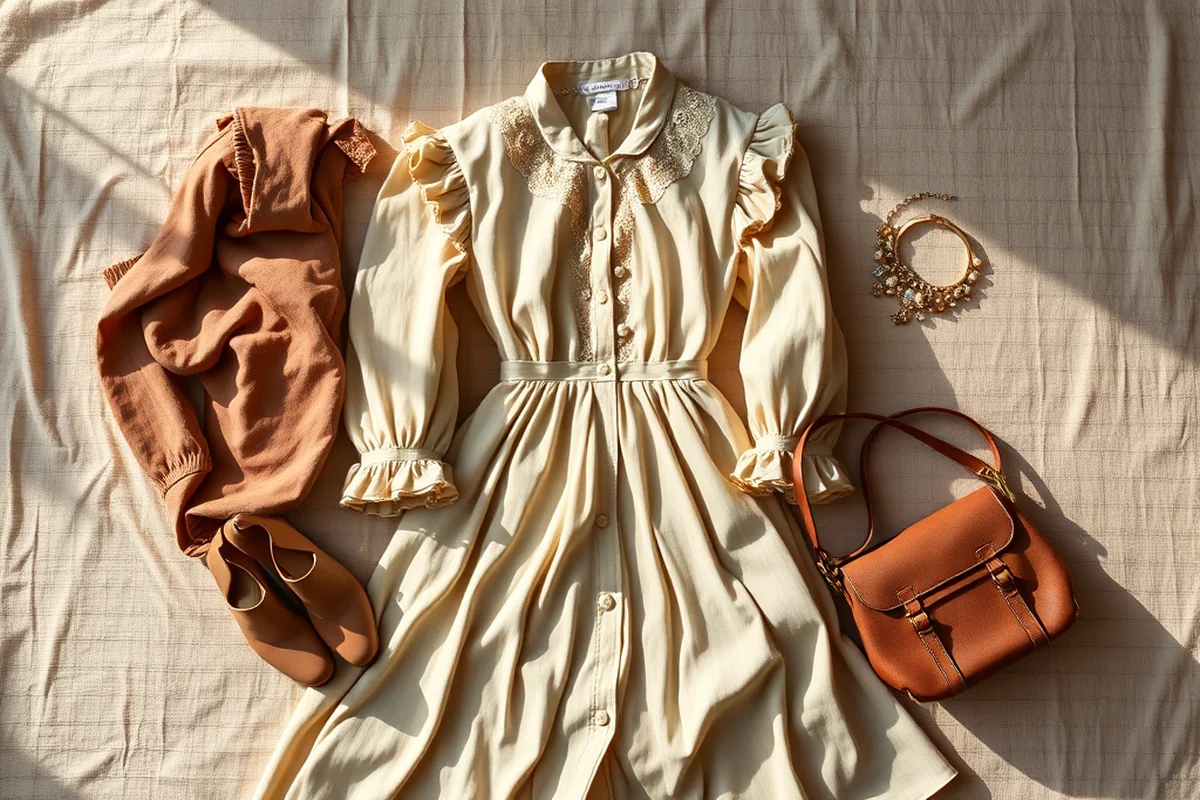
The silhouette of a Victorian dress evolved significantly over the course of the 19th century, reflecting changing fashion trends and societal values. The early Victorian period was characterized by the empire waist, a high-waisted dress that emphasized the natural shape of the body. This style was popular among the upper classes and was often worn for formal occasions. However, as the century progressed, the silhouette of the dress became more exaggerated, with the introduction of the crinoline and the bustle.
The crinoline, a cage-like structure made of whalebone or steel, allowed the skirt to expand dramatically, creating a bell-shaped silhouette. This style was particularly popular in the 1850s and 1860s, and it was often associated with the more affluent members of society. The bustle, which emerged in the 1870s, was a padded structure that protruded from the back of the dress, creating a dramatic, hourglass shape. This silhouette was a symbol of both elegance and excess, and it became one of the most recognizable features of the Victorian era.
By the end of the 19th century, the bustle had given way to a more streamlined silhouette, with the waistline lowering slightly and the skirt becoming more full. This shift reflected the changing social and economic conditions of the time, as well as the growing influence of the middle class on fashion trends. The late Victorian period saw the emergence of the S-bend corset, which created a more natural curve in the body and marked a departure from the rigid, rigidly structured silhouettes of earlier years.
Related: Tall dresses budget step by step
The Symbolism Behind Victorian Dress Colors and Patterns
The colors and patterns of Victorian dresses were not chosen at random — they often carried symbolic meaning and reflected the wearer's social status. Dark, muted colors such as black, navy, and deep red were associated with mourning, while lighter, pastel shades were often worn by women of the upper classes. The use of floral patterns was also common, with each flower carrying its own symbolic meaning — for example, roses symbolized love and passion, while lilies were associated with purity and innocence.
The placement of patterns on a dress was also significant. For instance, a dress with a large, central floral motif was often seen as a sign of wealth and refinement, while a dress with a more subtle pattern might have been worn by someone of lower social standing. The use of stripes or checks was also common, particularly in the early 20th century, and these patterns were often used to create a sense of movement or dynamism in the dress.
In addition to color and pattern, the use of trimmings and embellishments also played a role in the symbolism of Victorian dresses. Lace, embroidery, and beading were often used to denote status and wealth, with more elaborate designs reserved for the upper classes. The placement of these embellishments was also important — for example, a dress with a high neckline and detailed collar was often seen as more elegant and refined than a dress with a simpler design.
Related: Tall dresses budget tips
The Influence of Technology on Victorian Fashion
Advancements in technology during the Victorian era had a profound impact on the production and design of dresses. The Industrial Revolution brought about significant changes in textile manufacturing, making it possible to mass-produce fabrics and garments on a scale that had not been seen before. This innovation allowed for the creation of more complex and intricate designs, as well as the use of new materials and techniques.
One of the most important technological innovations of the Victorian era was the development of the sewing machine. Introduced in the 1840s, the sewing machine revolutionized the garment industry by making it faster and more efficient to produce clothing. This innovation was particularly important for the production of corsets, which required a great deal of precision and detail. The use of sewing machines also made it possible to create more elaborate and decorative garments, as the speed and efficiency of the machines allowed for more intricate patterns and embellishments.
In addition to the sewing machine, other technological advancements such as the development of synthetic dyes and the use of new materials like cotton and wool also had a significant impact on Victorian fashion. These innovations allowed for a wider range of colors and more vibrant hues, which became a defining feature of the era. The use of new materials also made it possible to create garments that were more durable and practical, while still maintaining the elegance and sophistication that defined Victorian fashion.
The sewing machine revolutionized fashion, enabling the creation of more intricate and elaborate designs.
Related: Tall dresses budget printable
The Legacy of Victorian Dress in Modern Fashion
The influence of Victorian fashion can still be seen in modern fashion, with many designers drawing inspiration from the era. The structured silhouettes, intricate details, and ornate embellishments that characterized Victorian dress have been reinterpreted in countless ways by contemporary designers. From the use of high-waisted skirts to the emphasis on waist definition, the legacy of Victorian fashion is evident in many modern fashion trends.
One of the most notable influences of Victorian fashion on modern fashion is the use of corsets. While the rigid, tightly laced corsets of the Victorian era are no longer in fashion, the concept of the corset has been reimagined in a variety of ways. Modern corsets often feature softer, more flexible materials and are designed to be more comfortable to wear, while still maintaining the structured look that defined the Victorian era.
In addition to the corset, other elements of Victorian fashion have also made their way into modern design. The use of lace, embroidery. Other decorative elements is a common feature in many high-end fashion collections, while the emphasis on waist definition and structured silhouettes can be seen in a wide range些 of garments, from cocktail dresses to evening gowns. The influence of Victorian fashion is not limited to high fashion — it can also be seen in casual wear, with many designers incorporating elements of Victorian fashion into everyday clothing.
💰 Budget Victorian Dress
Achieve a Victorian look without breaking the bank by using affordable fabrics and simpler designs.
💼 Workwear Victorian Dress
A tailored Victorian-style dress that is both elegant and practical for professional settings.
👗 Casual Victorian Dress
A relaxed, everyday version of a Victorian dress that blends historical inspiration with modern comfort.
📏 Petite/Tall Victorian Dress
Tailored to fit petite or tall body types, maintaining the elegance of Victorian fashion while ensuring a proper fit.
🧳 Capsule Victorian Dress
A versatile, minimalist Victorian dress that can be styled in multiple ways for various occasions.
| The mistake | Why it happens | The fix |
|---|---|---|
| Ignoring the historical context of Victorian fashion | Understanding the historical context is essential to creating an authentic Victorian dress. Failing to consider the social and cultural influences of the era can result in an inauthentic design. | Research the historical context of Victorian fashion, including the materials, silhouettes, and social norms of the time, to ensure an authentic recreation. |
| Overlooking the importance of fit and structure | A Victorian dress is defined by its structured silhouette and precise fit. Neglecting these elements can result in a garment that lacks the elegance and refinement of the original design. | Pay close attention to the fit and structure of the dress, using appropriate undergarments and tailoring techniques to achieve an authentic look. |
| Using modern materials instead of traditional fabrics | The use of modern materials can detract from the authenticity of a Victorian dress. Traditional fabrics such as silk, cotton, and wool were chosen for their texture, durability, and visual appeal. | Use traditional fabrics that were commonly used during the Victorian era, such as silk, cotton, and wool, to ensure an authentic recreation. |
| Failing to consider the health implications of historical fashion | Historical fashion, particularly the use of corsets, had significant health implications. Failing to consider these can result in discomfort or even injury when recreating historical garments. | Be mindful of the health implications of historical fashion and consider using modern alternatives or softer, more flexible garments for a more comfortable experience. |
What Is A Victorian Dress
Common Questions
What are the key features of a Victorian dress?
How did the materials used in Victorian dresses reflect the wearer's social status?
What is the significance of the corset in Victorian fashion?
How did technology influence Victorian fashion?
References
- Clothing and Landscape in Victorian England: working-class dress ... (academia.edu)
- historic architectural survey of rockingham county, virginia (dhr.virginia.gov)
Cite this guide
Hemlonger (2026). What Is A Victorian Dress. https://hemlonger.com/what-is-a-victorian-dress/
Feel free to cite or share this guide.