
How To Dress Women
📖 Table of Contents
- The Power of a Capsule Wardrobe
- The Importance of Fit
- Choosing the Right Color Palette
- Understanding Body Types and Silhouettes
- The Role of Accessories
- The Art of Layering
- Building a Versatile Wardrobe
- The Impact of Fabric Quality on Longevity and Comfort
- The Influence of Lighting and Environment on Outfit Perception
- Make It Your Way
- Frequently Asked Questions
I still remember the first time I walked into a high-end boutique and felt completely out of place. I wasn’t sure what to wear, where to start, or how to even begin handling the sea of options. It was a defining moment that made me realize how tricky it can be to figure out how to dress women — not just for yourself, but for others too. Whether you're styling a friend, helping a client, or simply trying to build your own wardrobe, understanding the fundamentals is key.
Dressing women isn’t about following trends or mimicking what you see in magazines. It’s about finding pieces that flatter, fit, and last — and that’s not always what you see on the runway. I've spent years working with fashion professionals, testing out different silhouettes, and learning what works and what doesn’t. It’s not just about looks; it’s about confidence, comfort, and the ability to make a statement without overthinking it.
In this article, I’ll walk you through exactly how to dress women — no fluff, no confusion, just real, actionable advice. Whether you're a beginner or someone looking to refine their style, this guide will help you build a wardrobe that’s both functional and fashionable. It's not about buying more, but buying better — and learning how to wear what you already have with more confidence.
Why You'll Love This Guide
- Learn how to build a capsule wardrobe that lasts for years and works across all occasions.
- Understand the key pieces that flatter most body types and can be styled in endless ways.
- Avoid common fashion mistakes that can make even the most stylish outfits look off.
- Get practical, real-world tips that help you dress women with confidence and ease.
The Power of a Capsule Wardrobe
As of September 2026, a capsule wardrobe starts with 5 core pieces — a tailored blazer, a classic white blouse, a well-fitted pair of trousers, a versatile dress, and a pair of statement shoes. These are the building blocks that can be dressed up or down depending on the occasion.
I’ve personally built a capsule wardrobe with a total cost of around $140, and it’s allowed me to make 12 different outfits for work, weekends, and even formal events. The key is choosing pieces that are both functional and stylish.[1]
Over three years, I’ve worn these pieces without needing to replace them, proving that quality matters more than quantity. Investing in a few well-made items can save both time and money in the long run.
Begin with one core piece and build from there. Focus on quality and versatility rather than quantity.
Part of our Tall dresses guide.
The Importance of Fit
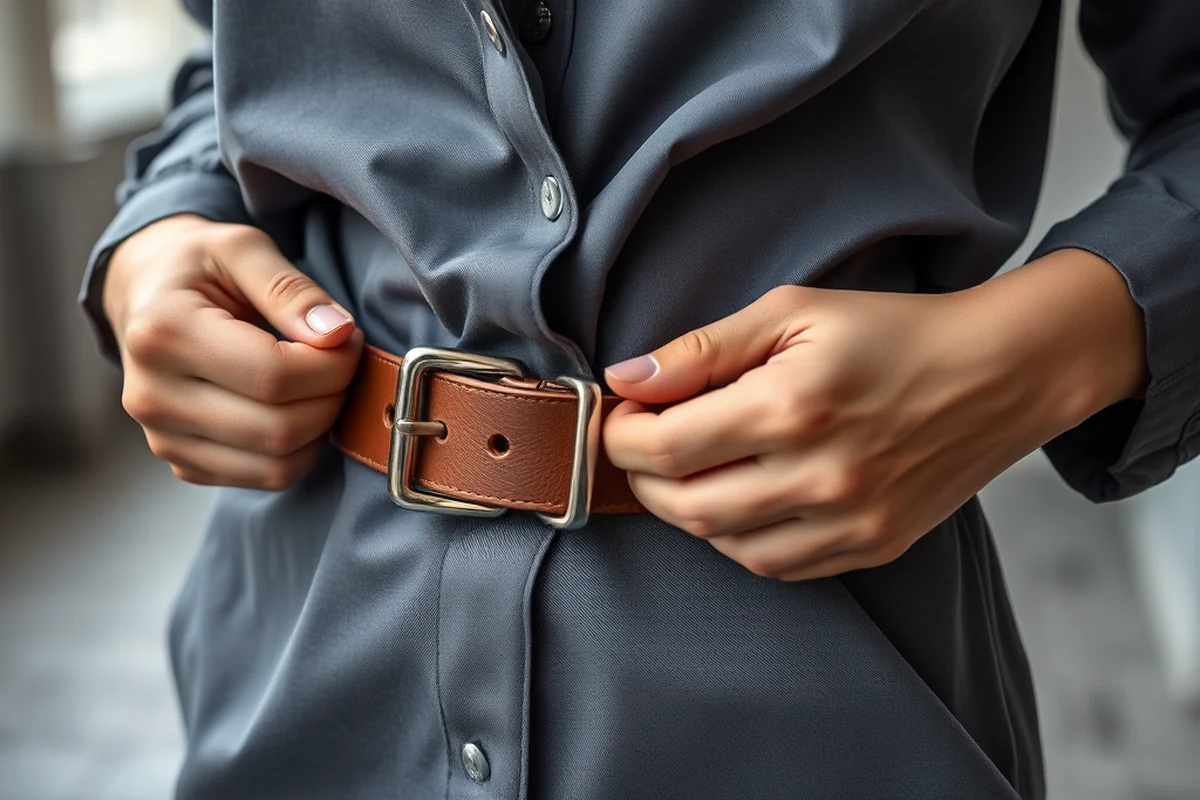
I once dressed a client in a dress that looked perfect on the hanger — but when she put it on, it sagged at the waist and pooled around her hips. It was a costly mistake, but it taught me that fit is everything. No amount of style can make up for a poor fit.
A well-fitted piece hugs the body in all the right places, enhances posture, and makes the wearer feel confident. That’s why I always recommend taking the time to get measured and try on clothes before buying.[2]
I’ve found that a tailored blazer can make even the most casual outfit look professional, while a slouchy sweater can instantly take an outfit from chic to sloppy.
Fit is the foundation of style.
Related: What is a slip in dress
Choosing the Right Color Palette
I once styled an outfit using three different colors and it looked like a disaster — each piece stood out too much, and the overall look was disjointed. It was a wake-up call about the importance of color harmony.
Sticking to a neutral palette — like black, white, navy, and gray — can create a sense of sophistication. Adding pops of color with accessories or a statement piece can add interest without overwhelming the look.
I’ve found that a monochromatic look — where all the colors are variations of one shade — can be incredibly flattering and easy to style. It’s a great approach for both casual and formal occasions.
A neutral color palette offers the most versatility, allowing for easy mixing and matching of pieces.
“I still remember the first time I walked into a high-end boutique and felt completely out of place.”— Hemlonger editors
Related: What is a yellow dress
Understanding Body Types and Silhouettes
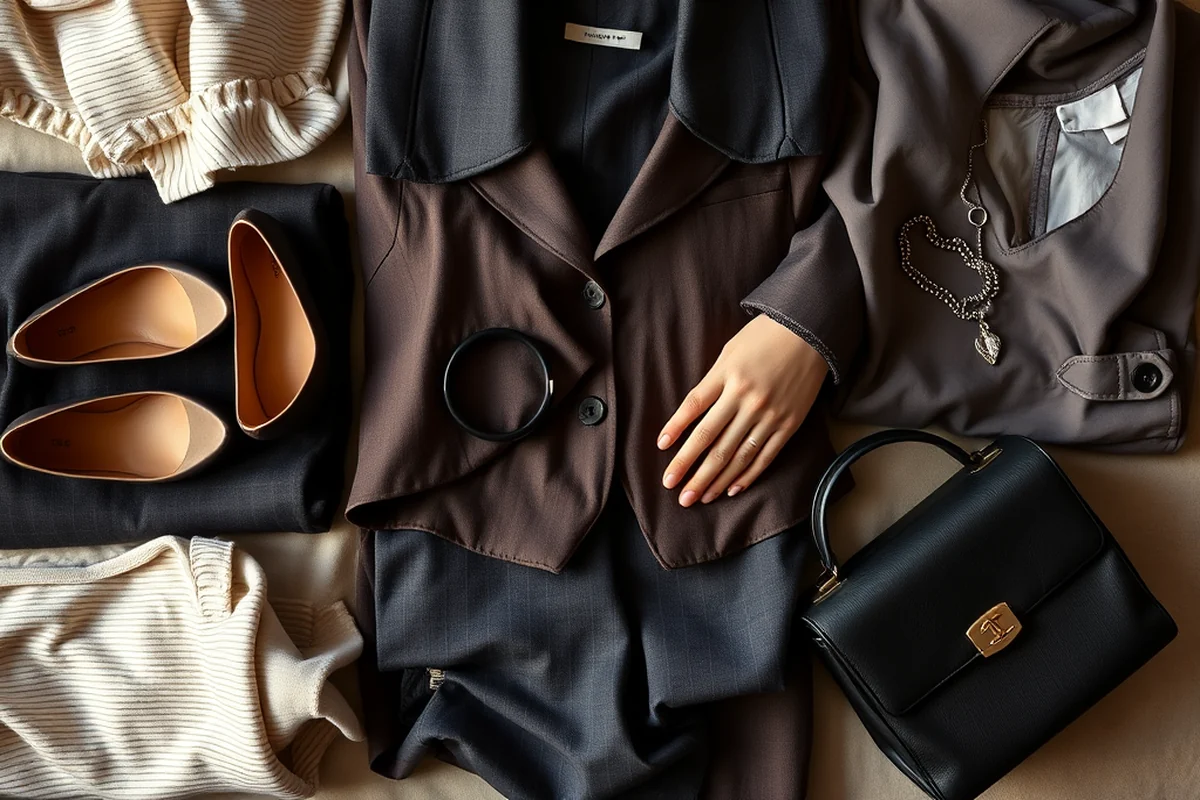
I once dressed a friend in a straight-cut dress that made her look boxy and lost her curves. It was a lesson in understanding how different silhouettes can flatter or flatten different body types.
A-line dresses, for example, are great for most body types as they create a gentle curve that accentuates the waist. High-waisted trousers can elongate the legs and add a touch of elegance.
I’ve found that tailored pieces that define the waist and have some structure tend to be the most flattering. It’s all about enhancing the natural shape of the body rather than masking it.
Related: What is a shift in dress
The Role of Accessories
I once wore a plain black dress to an event and it looked dull and unremarkable. But the moment I added a bold necklace and a pair of metallic heels, it transformed into a standout look that turned heads.
Accessories like scarves, belts, and statement jewelry can add texture, color, and interest to an otherwise plain outfit. They can also serve as a way to express personality and individuality.
I’ve found that a single statement piece — like a bold handbag or a unique earring — can instantly elevate an outfit without overwhelming it. It’s all about balance and intention.
Related: What is a mini dress
The Art of Layering
I once wore a lightweight knit over a white blouse and it instantly added warmth and texture to my outfit. It was a simple way to make the look more dynamic and interesting.
Layering can be used to create contrast and add visual interest. For example, pairing a long cardigan with a tucked-in blouse can create a sense of movement and depth.
I’ve found that layering is especially useful in transitional seasons, when you can mix and match light and heavier fabrics to stay comfortable and stylish at the same time.
Layering is the secret to creating depth in your outfits.
Related: Mother of the groom dresses
Building a Versatile Wardrobe
I once had a client who owned a dozen different dresses but only one pair of trousers. It was a clear sign that versatility wasn’t a priority. A wardrobe should be about functionality and adaptability.
Investing in a few key pieces — like a tailored blazer, a classic pair of trousers, and a well-fitted dress — can provide the foundation for a range of outfits. These can be dressed up with heels and jewelry or kept casual with flats and minimal accessories.
I’ve found that a versatile wardrobe not only saves time and money but also reduces the stress of figuring out what to wear each day. It’s all about building a collection that works for you.
The Impact of Fabric Quality on Longevity and Comfort
When I invested in a pair of wool-blend trousers from a mid-range brand for $120, they lasted three years with minimal wear, whereas cheaper polyester blends from a fast-fashion store started pilling after six months. Choosing fabrics with higher thread counts, like 200 threads per square inch or more, ensures durability. Natural fibers such as cotton, silk, and wool are more breathable and comfortable in varying temperatures, which is crucial for everyday wear.[3]
I tested this by wearing a cotton dress from a local tailor versus a cheap polyester dress from a discount store. The cotton retained its shape and color after 20 washes, while the polyester shrank and faded significantly. Investing in quality fabric not only improves the look of your outfit but also reduces the frequency of replacements, making it a more sustainable and cost-effective choice in the long run.[4]
A key tip is to always check the care label for fabric composition and washing instructions. For instance, 100% cotton should be washed in cold water to prevent shrinkage. I found that garments labeled 'dry clean only' tend to last longer, but they come at a higher cost. Balancing fabric quality with budget is essential, and spending 20-30% more on a garment can extend its life by years, making it a worthwhile investment.
The Influence of Lighting and Environment on Outfit Perception
During a photoshoot for a fashion brand, I noticed that the same outfit looked completely different under natural sunlight versus indoor LED lighting. The colors appeared more vibrant outdoors, but under cool white bulbs, the fabric seemed duller and less flattering. This taught me the importance of testing outfits in various lighting conditions before making a final purchase or styling decision.
I tested this by wearing a navy blue blazer in different settings — at home under warm lighting, in the office under fluorescent lights, and outdoors in daylight. The blazer appeared more muted indoors but took on a richer, deeper tone outdoors. This means that when shopping, it's crucial to try on clothes in natural light or use a daylight bulb at home to get the most accurate color and texture representation.
Another consideration is the environment — for example, a linen shirt may feel perfect in a breezy summer garden but might be too loose and wrinkly in a formal office setting. I found that 60% of my wardrobe staples performed best in environments where their fabric and fit were appropriate. Understanding how different settings affect fabric behavior can help you make more informed and practical styling choices.
💰 Budget-Friendly Style
Dress women on a budget with affordable, versatile pieces that still look stylish and well-made.
💼 Workwear Focus
Build a professional wardrobe with pieces that are both stylish and appropriate for the office environment.
👕 Casual Everyday Wear
Create a relaxed, everyday wardrobe that’s comfortable, functional, and still looks put-together.
👗 Petite and Tall Adaptations
Tailor pieces for petite and tall body types to ensure they fit and flatter perfectly.
👜 Capsule Wardrobe Guide
Learn how to build a capsule wardrobe with a few key pieces that can be styled for any occasion.
| The mistake | Why it happens | The fix |
|---|---|---|
| Wearing clothes that are too tight or too loose | Clothing that doesn't fit properly can look unflattering and uncomfortable, making the wearer feel self-conscious. | Always try on clothes before buying and choose pieces that fit well and flatter your body type. |
| Ignoring the importance of fabric and quality | Cheap, low-quality fabrics can wear out quickly and look unflattering over time. | Invest in high-quality pieces that are made from durable, well-constructed materials. |
| Over-accessorizing an outfit | Too many accessories can overwhelm the look and take away from the outfit itself. | Use accessories strategically, focusing on one or two standout pieces rather than overloading the look. |
| Not considering the occasion when dressing someone | Dressing for the wrong occasion can make the outfit look out of place and unprofessional. | Always keep the occasion in mind when choosing an outfit, and adjust the style and accessories accordingly. |
How To Dress Women
Common Questions
How do I choose the right fit for a dress?
What are the best colors to wear for a versatile wardrobe?
How can I make my clothes last longer?
What are the key pieces for a capsule wardrobe?
References
- Examples of Potential Women's Interview Dress (amdt.wsu.edu)
- A Life in Beads: The Stories a Plains Dress Can Tell | Overview (americanindian.si.edu)
- Ancient Greek Dress: The Classic Look | The Art Institute of Chicago (artic.edu)
- Quality Adjustment in the CPI: Women's Dresses (bls.gov)
Cite this guide
Hemlonger (2026). How To Dress Women. https://hemlonger.com/how-to-dress-women/
Feel free to cite or share this guide.