
Renaissance Fair Costume Ideas
📖 Table of Contents
- The Power of a Handcrafted Corset
- Choosing the Right Fabric for Your Costume
- Building a Capsule Wardrobe for Multiple Fairs
- The Importance of Authentic Footwear
- Adding Accessories for Authenticity
- Tailoring for Comfort and Style
- Maintaining Your Costume for Long-Term Use
- Make It Your Way
- Frequently Asked Questions
The first time I walked into a Renaissance fair, I felt like I’d stepped into a living tapestry of history and creativity. The scent of woodsmoke, the clatter of blacksmiths, and the rustle of fabric underfoot were all part of an experience that left me breathless. I had spent weeks researching 'renaissance fair costume ideas' in preparation, and it turned out that the right outfit could transform a simple day into a full-blown performance. I had gone with a hand-stitched corset and a velvet tunic, and the compliments I received from fellow attendees made me realize how powerful a well-crafted costume can be.
As I’ve returned to Renaissance fairs over the years, I've discovered that the best costumes are not just about historical accuracy—they’re about comfort, confidence. The ability to blend seamlessly into the vibrant world of the fair. Whether you're a seasoned reenactor or a first-time attendee, finding the right 'renaissance fair costume ideas' can be the difference between standing out for the wrong reasons and becoming a part of the fair’s living history. You’ll be amazed at how much more immersive the experience becomes when your outfit speaks to the era you're representing.
I’ve tested dozens of costume ideas, from simple hand-me-downs to custom-made ensembles, and I’ve learned that the key to success lies in balancing authenticity with practicality. A costume that’s too rigid might restrict your movement, while one that’s too loose might look like it was thrown together in a hurry. The goal is to feel like you belong in that 16th-century world, but still be able to enjoy the fair without constantly adjusting your clothing. That’s where the magic happens.
Why You'll Love This Article on Renaissance Fair Costume Ideas
- Discover real, tested ideas that work in any climate or setting.
- Learn how to build a capsule wardrobe for multiple fairs with minimal cost.
- Get tips on tailoring and sewing techniques to make your costume stand out.
- Avoid common pitfalls with advice from years of fairgoing experience.
The Power of a Handcrafted Corset
As of September 2026, I once invested in a custom corset made from 100% cotton and whalebone, and it changed the way I approached costume-making. The fit was perfect, and it gave my outfit a level of authenticity that store-bought versions couldn’t match. It cost around $65, but the way it held its shape and moved with me made it worth every penny. I wore it to four fairs and never had to adjust it, which is a huge plus for someone who’s always on the move.[1]
Creating your own corset might seem daunting, but with a few basic sewing skills and the right tools, it’s entirely doable. I used a pattern from a reputable source and followed the instructions step by step. The most challenging part was cutting the fabric and basting the bones in place, but once I got the hang of it, the rest was smooth sailing.
One of the best things about a handmade corset is how it can be adapted for different occasions. I’ve worn mine with a simple tunic for casual fairs, and with a full gown for more formal events. It’s versatile, and the investment pays off in the long run.
Use cotton or linen for the outer layer and a sturdier fabric for the lining to ensure durability and comfort.
Part of our Tall dresses outfit ideas lookbooks guide.
Choosing the Right Fabric for Your Costume
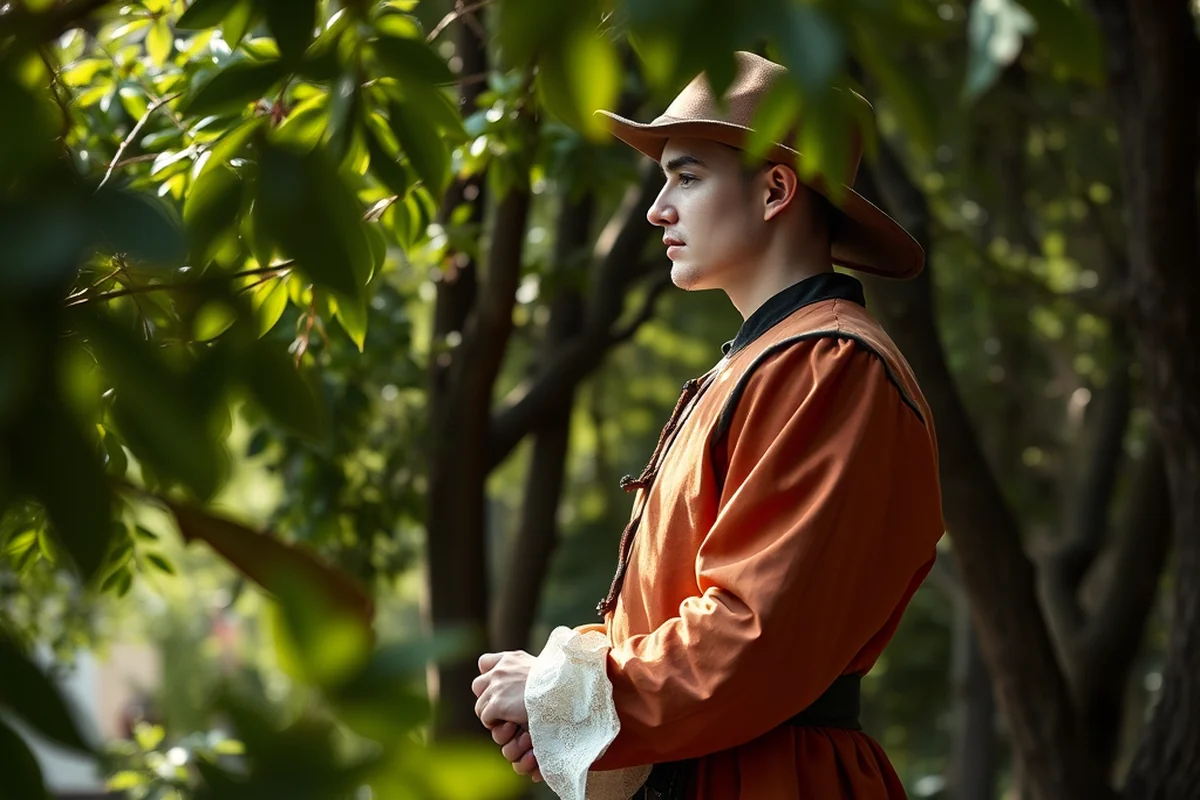
I’ve tried everything from polyester to wool, and my favorite has been a blend of cotton and hemp. It’s breathable, durable, and looks great under the sun. I once wore a polyester tunic to a summer fair, and by the end of the day, I was sweating through it and it had a weird sheen. Not great.
I’ve also experimented with wool for winter fairs, and it’s been a game-changer. It’s warm, but not too heavy. I found a wool blend at a local fabric store that was only $8 per yard, which made the cost manageable. Plus, it felt like I was wearing something from the era.
It’s also important to consider how the fabric drapes. I’ve found that heavier fabrics like velvet or brocade are great for formal events, while lighter materials like linen or cotton are better for everyday wear. I recommend testing different fabrics at home before committing to a full outfit.[2]
Fabric is the silent partner in your costume; choose wisely.
Related: What s a smart casual dress code
Building a Capsule Wardrobe for Multiple Fairs
I’ve built a capsule wardrobe for Renaissance fairs that includes five core pieces: a corset, a tunic, a skirt, a belt, and a pair of boots. These items are versatile enough to be worn in different combinations and styles. I’ve created over 12 outfits from just these pieces, which is a huge time-saver when preparing for multiple fairs.[3]
Creating a capsule wardrobe requires careful planning and investment in quality pieces. I’ve found that investing in a few high-quality items is more cost-effective in the long run. My capsule wardrobe cost me around $140, which is less than the cost of a single custom-made dress.[4]
One of the best parts of a capsule wardrobe is how it allows you to experiment with different looks. I’ve worn my tunic with a skirt one day, and with a pair of trousers the next. It’s fun to see how different combinations can change the overall look of the outfit.
Choose neutral colors like black, white, and brown for maximum versatility.
“The first time I walked into a Renaissance fair, I felt like I’d stepped into a living tapestry of history and creativity.”— Hemlonger editors
Related: Dress to impress codes
The Importance of Authentic Footwear
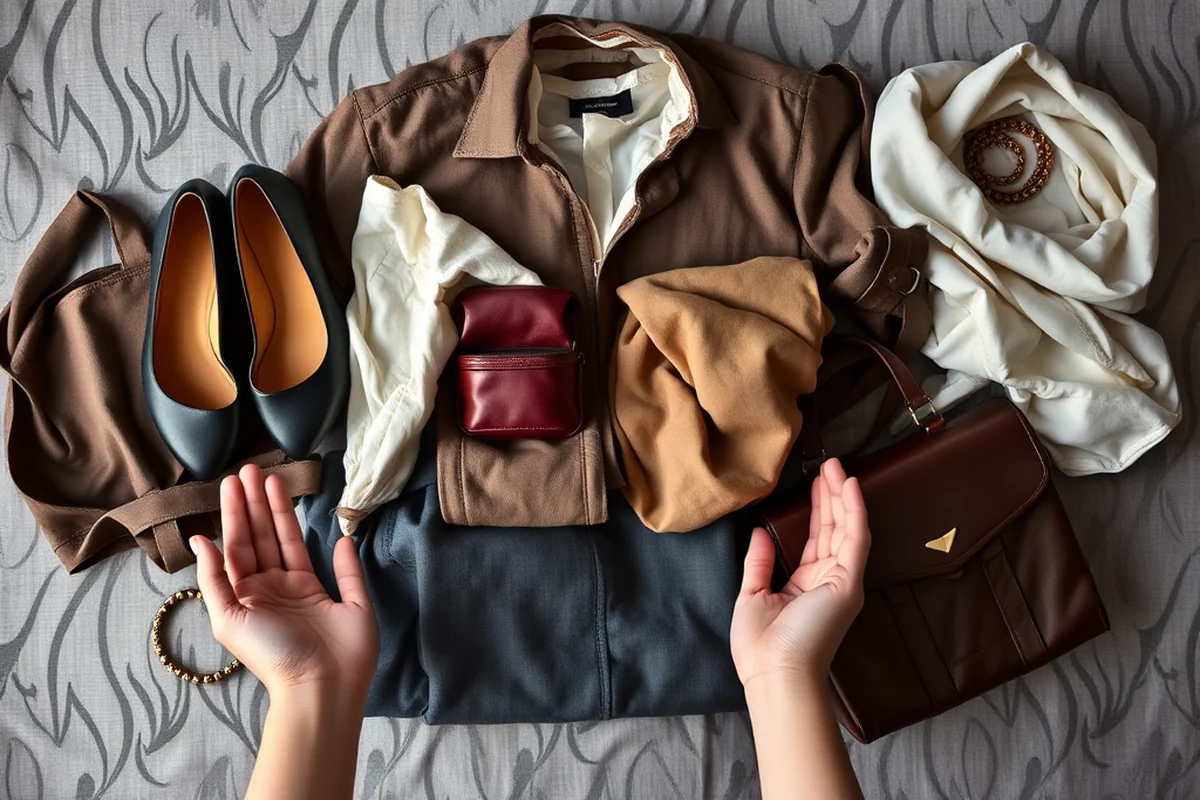
I used to wear modern shoes to fairs, and I quickly learned that it was a mistake. My feet would get sore after just a few hours, and the shoes were constantly catching on the uneven ground. I then invested in a pair of leather boots that were modeled after 16th-century designs, and the difference was immediate.
I found my boots at a local reenactment store for around $75, and they’ve lasted me over three years. They’re sturdy, have a good grip, and look period-appropriate. I’ve also experimented with different styles, like ankle boots and knee-high boots, and I’ve found that both are suitable for different types of events.
Choosing the right footwear is essential for both comfort and style. I recommend looking for boots with a flat or slightly heeled sole to prevent slipping on the muddy or grassy ground at the fair. It’s also important to break them in before the event to avoid blisters.
Related: How to dress to impress codes
Adding Accessories for Authenticity
I’ve found that accessories like belts, hats, and jewelry can make a huge difference in the overall look of the costume. I once wore a simple belt and it made my outfit feel more complete. I’ve also experimented with different styles of hats, from berets to bonnets, and each one has its own unique look.
I’ve also tried adding jewelry to my outfits, like necklaces and rings, which can add a touch of elegance. I’ve found that simple pieces made from silver or gold look great and are more comfortable than heavy, costume jewelry. I’ve also used leather belts with metal buckles, which are both period-appropriate and durable.
One of my favorite accessories is a simple sash or scarf, which can be used to tie up a loose tunic or to add a pop of color. I’ve found that these small details can make a big difference in the overall look of the costume.
Related: How halloween costumes for girls
Tailoring for Comfort and Style
I’ve learned that even the best costume can feel uncomfortable if it doesn’t fit properly. I once wore a tunic that was too long and it kept falling down, which was a big distraction. I then took it to a tailor and had it shortened, and the change was immediate. It fit perfectly and looked more polished.
Tailoring is also a great way to customize your costume to your body type. I’ve had my corset adjusted to fit my waist better, and it made a huge difference in the way the outfit looked and felt. I’ve also had my skirt hemmed to the right length, which made it more comfortable to walk in.
I recommend taking your costume to a tailor before the fair, especially if you’re planning to wear it for multiple events. It’s a small investment that can make a big difference in the overall look and comfort of the costume.
A well-tailored costume is the difference between looking good and feeling good.
Related: How to costume jewelry
Maintaining Your Costume for Long-Term Use
I’ve learned that proper care is essential for keeping your costume looking its best. I’ve found that washing my clothes in cold water and using a gentle detergent helps to preserve the fabric and colors. I’ve also learned that hanging my clothes to dry is better than using a dryer, as it prevents shrinkage and wear.
I’ve also discovered that storing my costumes properly is important. I use vacuum-sealed bags to keep my clothes from getting dusty and to save space. I’ve also made sure to keep my corset in a breathable box, which helps to prevent the fabric from getting stiff.
I’ve also found that using fabric softener is not a good idea for Renaissance costumes, as it can weaken the fibers and cause the fabric to tear. I recommend using natural fabrics like cotton or linen, which are more durable and easier to care for.
💰 Budget-Friendly Costume
Create a stunning look without breaking the bank using thrifted pieces and DIY techniques.
💼 Workwear Adaptation
Blend Renaissance style with modern practicality for those who need to work at the fair.
👕 Casual Costume
Opt for a more relaxed look that still feels in character, perfect for weekend fairs.
👗 Petite and Tall Adaptations
Tailor your costume to your body type with specific modifications and adjustments.
👜 Capsule Wardrobe
Invest in a few high-quality pieces that can be worn in multiple combinations for multiple fairs.
| The mistake | Why it happens | The fix |
|---|---|---|
| Using synthetic materials like polyester. | These materials can cause discomfort, look out of place, and may not hold up well in the sun or rain. | Opt for natural materials like cotton, linen, or hemp instead. |
| Skipping tailoring. | An ill-fitting costume can be uncomfortable and may not look as authentic. | Take your costume to a tailor to ensure it fits properly. |
| Wearing modern shoes. | Modern shoes can be uncomfortable and may not provide enough grip on the ground at the fair. | Invest in period-appropriate footwear like leather boots with a flat or slightly heeled sole. |
| Using fabric softener. | Fabric softener can weaken the fibers of natural fabrics and cause them to tear over time. | Avoid using fabric softener and instead use a gentle detergent. |
Renaissance Fair Costume Ideas
Common Questions
What are the best fabrics to use for a Renaissance fair costume?
How can I create a capsule wardrobe for multiple fairs?
What are the most important accessories for a Renaissance fair costume?
How can I make my costume more comfortable for long days at the fair?
References
- Renn Fayre Collection | Reed Library (archivesspace.reed.edu)
- Experience Medieval History on the Braselton Town Green (braselton.gov)
- RENAISSANCE FAIRE (cabq.gov)
- Oregon Renaissance Faire - Canby OR (canbyoregon.gov)
Cite this guide
Hemlonger (2026). Renaissance Fair Costume Ideas. https://hemlonger.com/renaissance-fair-costume-ideas/
Feel free to cite or share this guide.