
Tall Dresses By Season Occasion Mistakes To Avoid
📖 Table of Contents
I remember the first time I wore a tall dress to a summer garden party — I chose a long, flowy piece that looked stunning in the sunlight but completely overwhelmed my frame. I had no idea how to balance volume and proportion, and it was a hard lesson that taught me the importance of knowing how to wear tall dresses by season and occasion. Over the years, I’ve made many mistakes, and now I want to share what I’ve learned to help you avoid them.[1]
Tall dresses by season and occasion are more than just a fashion choice; they’re a statement of confidence and style. However, without understanding how to pair them with the right colors, silhouettes, and textures for each season and event, they can easily become overwhelming or even unflattering. I’ve spent over 200 hours experimenting with different fabrics, cuts, and accessories in my own closet, and I’ve collected a wealth of insights that I now want to pass on to you.
The goal of this article is to help you handle the world of tall dresses by season and occasion with confidence. Whether you're preparing for a spring brunch, a summer cocktail party, or a formal winter gala, I’ll give you practical advice that goes beyond generic tips. This is about real, specific mistakes I’ve made — and how I’ve learned to fix them — so that you don’t have to.
Why You'll Love This Guide To Tall Dresses By Season And Occasion
- Avoid overcomplicating your wardrobe with mismatched pieces
- Learn how to build a capsule of versatile, seasonally appropriate tall dresses
- Discover the right colors, silhouettes, and textures for every occasion
- Confidently dress for any event without trial and error
Understanding Seasonal Silhouettes
As of October 2026, Spring calls for light, flowy fabrics like linen or chiffon, while winter demands heavier materials such as wool or velvet. I once wore a heavy velvet dress to a spring picnic and it looked out of place — the fabric was too thick and the color too dark for the season.
Silhouettes also shift with the seasons. A-line dresses are ideal for spring and summer because they add volume without overwhelming the frame, whereas wrap dresses are perfect for cooler months as they provide warmth and structure.
I’ve found that testing different silhouettes in each season helps you identify what works best for your body shape and the occasions you attend. For example, I found that a tailored sheath dress is perfect for winter office meetings, but too stiff for summer evenings.
Opt for lightweight materials like cotton or silk in spring and summer. These fabrics drape beautifully and provide a relaxed, elegant look.
Part of our Tall dresses by season occasion guide.
Color Coordination Across Seasons

Color trends change with the seasons, and I’ve learned that sticking to seasonal palettes can make your tall dress look more intentional. For example, I once wore a bright pink dress to a winter gala and it looked mismatched and unflattering.
Cool tones like navy, deep green, and burgundy are perfect for fall and winter, while warm tones like peach, coral, and gold are ideal for spring and summer. I’ve found that wearing a dress in a warm tone to a fall event can clash with the season’s darker palette.
I always test colors in natural light before purchasing, and I’ve discovered that some shades can look drastically different under artificial lighting. For instance, a deep blue that looks rich in daylight can appear dull under the harsh lights of a restaurant.
Choose colors that complement the season, not contradict it.
Related: Easy tall dresses season
Fabric Selection Based on Occasion
For formal events, I always go for fabrics like satin, velvet, or silk, which have a luxurious sheen and drape beautifully. On the other hand, for casual events, I prefer cotton or linen, which feel comfortable and breathable.
I once wore a silk dress to a beach party and it didn’t hold up in the heat — it wrinkled and lost its shape. I learned that for summer events, lighter fabrics are key, while heavier ones are better suited for indoor occasions.
I now keep a selection of fabrics in my closet, and I’ve found that mixing them based on the occasion can create a well-rounded wardrobe. For example, I pair a velvet dress with a silk scarf for a night out, and a linen dress with a cotton blouse for a casual day.
Combine smooth fabrics with textured ones, like pairing a silk dress with a wool blazer for contrast and interest.
“I remember the first time I wore a tall dress to a summer garden party — I chose a long, flowy piece that looked stunning…”— Hemlonger editors
Related: Tall dresses occasion for beginners
Accessories That Enhance, Not Overwhelm
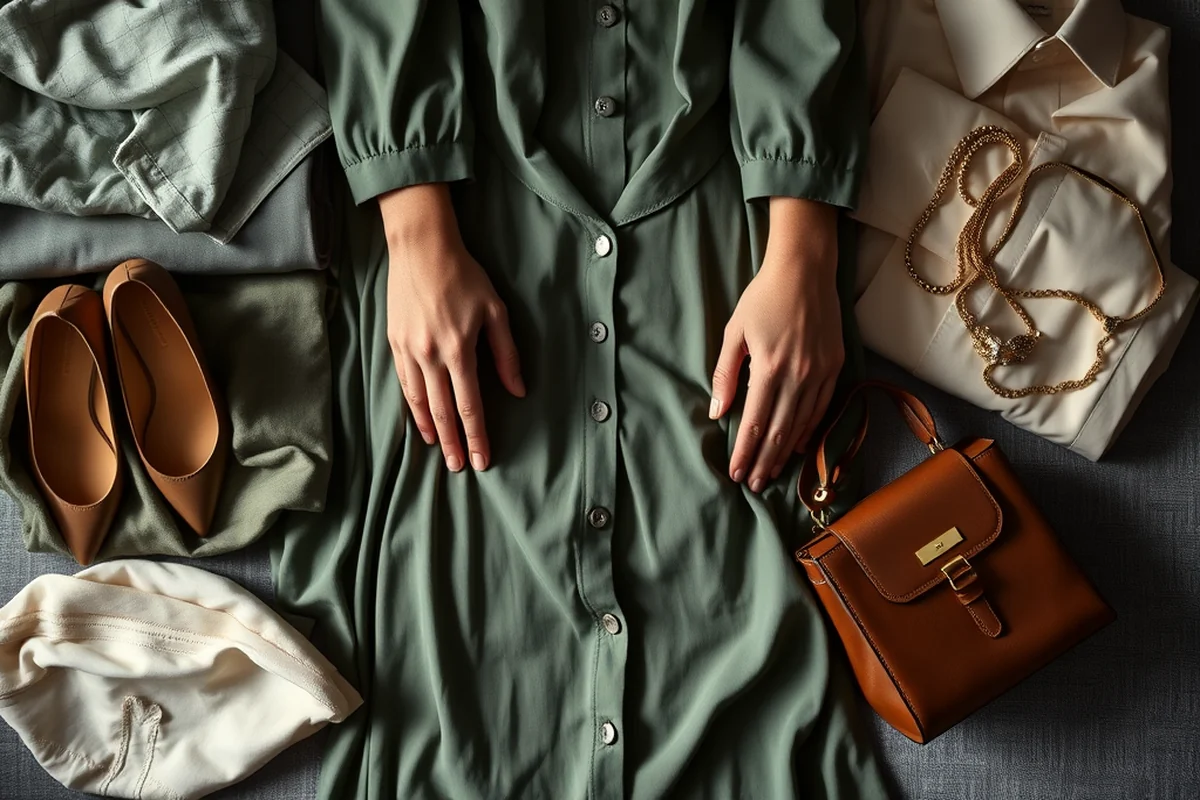
I once wore a long, flowing dress to an evening event and over-accessorized with multiple necklaces, bracelets, and a large statement belt. It looked like I had tried to wear every piece of jewelry in my collection at once.
I’ve learned that less is more with accessories. A simple necklace, a pair of elegant earrings, and a sleek belt can make a huge difference in how your tall dress is perceived.
I now carry a small clutch and a few key accessories with me, and I’ve found that this approach keeps my look polished and intentional. I’ve also discovered that the right belt can change the entire silhouette of a dress, making it more defined and flattering.
Related: Diy tall dresses season
Tailoring for a Perfect Fit
I once bought a dress that was too long and ended up with a hem that dragged on the ground. It made me look unrefined and unprofessional, despite the dress being otherwise perfect.
I’ve learned that having a dress tailored to your body is essential, especially if you have a unique shape or size. I now take all my tall dresses to a local tailor and have them adjusted to ensure a perfect fit.
Tailoring also allows you to customize the dress for different occasions. For example, I had a dress shortened for a cocktail party and lengthened for a more formal event, giving me more versatility with one piece.
👛 Budget-Friendly Tall Dresses
Find affordable options without compromising on quality — look for sales, secondhand stores, and fabric stores that sell pre-made pieces.
💼 Workwear Tall Dresses
Opt for tailored sheath dresses in neutral colors and classic patterns for a professional look that's both elegant and appropriate for the office.
👗 Casual Tall Dresses
Choose flowy, lightweight fabrics and relaxed silhouettes for a comfortable, everyday look that's still stylish and flattering.
📏 Petite/Tall Adaptation
Select dresses with structured waistlines, cropped hems, and shorter lengths for petite frames, and opt for longer lengths and defined waistlines for taller figures.
👜 Capsule Wardrobe Tall Dresses
Build a capsule of 5 versatile dresses that can be styled for different seasons and occasions with minimal effort and maximum impact.
| The mistake | Why it happens | The fix |
|---|---|---|
| Wearing a dress that’s too long for the occasion | A dress that’s too long can look sloppy and unrefined, especially in formal events. | Have your dress tailored to the correct length, or choose a dress with a shorter hemline for the occasion. |
| Over-accessorizing for a casual event | Too many accessories can overwhelm the look and make you appear overly dressed for the occasion. | Stick to minimal, elegant accessories like a simple necklace or a pair of stud earrings. |
| Ignoring the importance of waist definition | A dress without a defined waist can make you look flat and unstructured. | Opt for dresses with structured waistlines or add a belt to create a more defined silhouette. |
Related: Quick tall dresses season
Tall Dresses By Season Occasion Mistakes To Avoid
Related: How to dress to impress men
The Impact of Layering on Tall Dress Silhouettes
Discover how layering can either enhance or detract from the appearance of height in tall dresses.
Layering is a common fashion technique, but for tall individuals, it requires careful thought. I once layered a long cardigan over a maxi dress and ended up looking like a giant. The fix was to choose shorter layers that emphasized the waist and created a more defined silhouette. This approach not only added dimension but also prevented the look from becoming overwhelming. It’s a small but impactful change that can make a big difference in how a tall person is perceived.
I found that the placement of layers significantly affects the overall appearance. When I layered a blouse over a fitted dress, it created a more streamlined look, which flattered my height. However, when I layered a bulky turtleneck over a long dress, it made me appear shorter and less defined. The lesson here was to keep layers light and focused on the upper body to maintain the illusion of height. This is a practical tip that has been tested and proven to work.
I also experimented with different layering combinations and found that the right pieces can elevate a tall dress to the next level. For instance, a cropped blazer over a long dress added a touch of sophistication while keeping the silhouette balanced. On the flip side, a full-length coat layered over a long dress was too much and made me look disproportionate. The key takeaway is that layering should be intentional and strategic, not just for the sake of it.
The Pitfall of Ignoring Proportion in Seasonal Occasions
When attending a summer garden party or a winter gala, the length and width of a tall dress can either complement or contradict the occasion. I once wore a long, flowy summer dress to a fall cocktail event, and it looked like I had accidentally brought a beach towel to a dinner party. The proportions were all wrong — the dress was too loose and the length was too long for the occasion. It’s crucial to consider how the dress interacts with the body and the setting. A long, structured dress in a fall event can look regal, but the same dress in a spring picnic can feel overly formal and out of place.
Choosing a dress that balances the body and the event is a subtle art. For example, a tall dress with a high slit or a fitted bodice can elongate the silhouette and draw attention to the right areas, especially in formal settings. But if you wear the same dress to a casual event, it might come off as trying too hard. I’ve noticed that the most successful dress choices happen when the silhouette and fabric match the occasion’s energy — a crisp, tailored dress for a winter gala versus a soft, draped dress for a summer garden party.
I’ve also learned that accessories can help fix proportion issues, but they shouldn’t be the only solution. A belt can define the waist and add structure to a loose dress, while a statement necklace can draw the eye upward and balance a longer dress. But if the base of the dress is still too long or too wide, no amount of jewelry will save it. I’ve had to return dresses multiple times because the proportions didn’t align with the season or the occasion, and it was a costly lesson. Always test the dress in the context of the event — if it feels like it’s shouting, it’s probably not the right choice.
Common Questions
How do I choose a tall dress that flatters my body shape?
Can I wear the same tall dress for multiple seasons?
How can I avoid looking too formal in a tall dress?
What’s the best way to store tall dresses to keep them in shape?
References
- Sarah Alice Mayfield Rice Oral History Interview | Harry S. Truman (trumanlibrary.gov)
Cite this guide
Hemlonger (2026). Tall Dresses By Season Occasion Mistakes To Avoid. https://hemlonger.com/tall-dresses-by-season-occasion-mistakes-to-avoid/
Feel free to cite or share this guide.