
Diy Tall Dresses Season
📖 Table of Contents
- Sourcing Materials: Where to Find Fabrics That Work for You
- Tailoring for Height: How to Get the Perfect Fit
- Color and Pattern: How to Choose the Right Design for Your Body
- Creating a Capsule Wardrobe: How to Build a Cohesive Collection
- Sewing Techniques: Essential Skills to Master for DIY Success
- Make It Your Way
- Frequently Asked Questions
I remember the first time I stood in front of the mirror in a dress that actually made me feel like myself — tall, confident, and unapologetically me. It was a DIY project, stitched together from fabric I found at a secondhand store, a pattern I traced from an old sketchbook. A sense of purpose that came with creating something entirely my own. That dress was more than just fabric and thread; it was a symbol of empowerment, a reminder that fashion doesn’t have to be bought, only made. Since that moment, I’ve been on a journey to craft my own tall dresses season, one stitch at a time.
DIY tall dresses season isn’t about following a trend — it’s about crafting a collection that fits your body, your style, and your life. I’ve spent years experimenting with different fabrics, tailoring techniques, and silhouettes to build a wardrobe that’s both functional and expressive. Whether you’re a beginner or a seasoned sewer, this season is your chance to take control of your fashion narrative. I’m here to guide you through the process with real, actionable advice.
In this article, I’ll walk you through the best strategies for creating a DIY tall dresses season that’s uniquely yours. We’ll cover everything from sourcing sustainable materials to mastering the art of tailoring for height. Whether you’re looking to save money, reduce your environmental impact, or simply want to wear something that truly reflects who you are, this guide is your starting point for a season of fashion that’s made by you, for you.
Why You'll Love This DIY Tall Dresses Season
- Create a wardrobe that perfectly fits your body and lifestyle
- Save money by repurposing or upcycling existing fabrics
- Develop new skills in sewing and tailoring
- Reduce your environmental footprint by making sustainable choices
Sourcing Materials: Where to Find Fabrics That Work for You
As of September 2026, I’ve learned that the best materials for tall dresses are those that drape well and provide structure. I often visit secondhand stores, fabric swaps, and even online marketplaces like Etsy for unique pieces. I once found a stunning silk jersey fabric for under $10 at a local thrift store that became the base for three different dresses.[1]
When shopping for fabric, I pay close attention to the weight and drape. A medium-weight fabric like a wool-blend or a cotton-linen blend works well for structured dresses, while lighter fabrics like rayon or viscose are better for flowy silhouettes. I always test the fabric by holding it up to the light and running my fingers across the surface to gauge how it will feel against my skin.
I also look for fabric remnants at local sewing shops. These often come at a fraction of the cost and can be used for smaller projects like collars, cuffs, or even decorative trims. Once, I used a leftover piece of lace from a remnant bin to create an elegant neckline for a dress that I wore to a wedding — it was the perfect finishing touch.
Always read the care label before purchasing fabric. A fabric that requires dry cleaning may not be practical for everyday wear, while a machine-washable option is easier to maintain. I’ve learned this lesson the hard way after buying a beautiful but impractical silk dress that I could only wear once before it started to pill.
Part of our Tall dresses by season occasion guide.
Tailoring for Height: How to Get the Perfect Fit
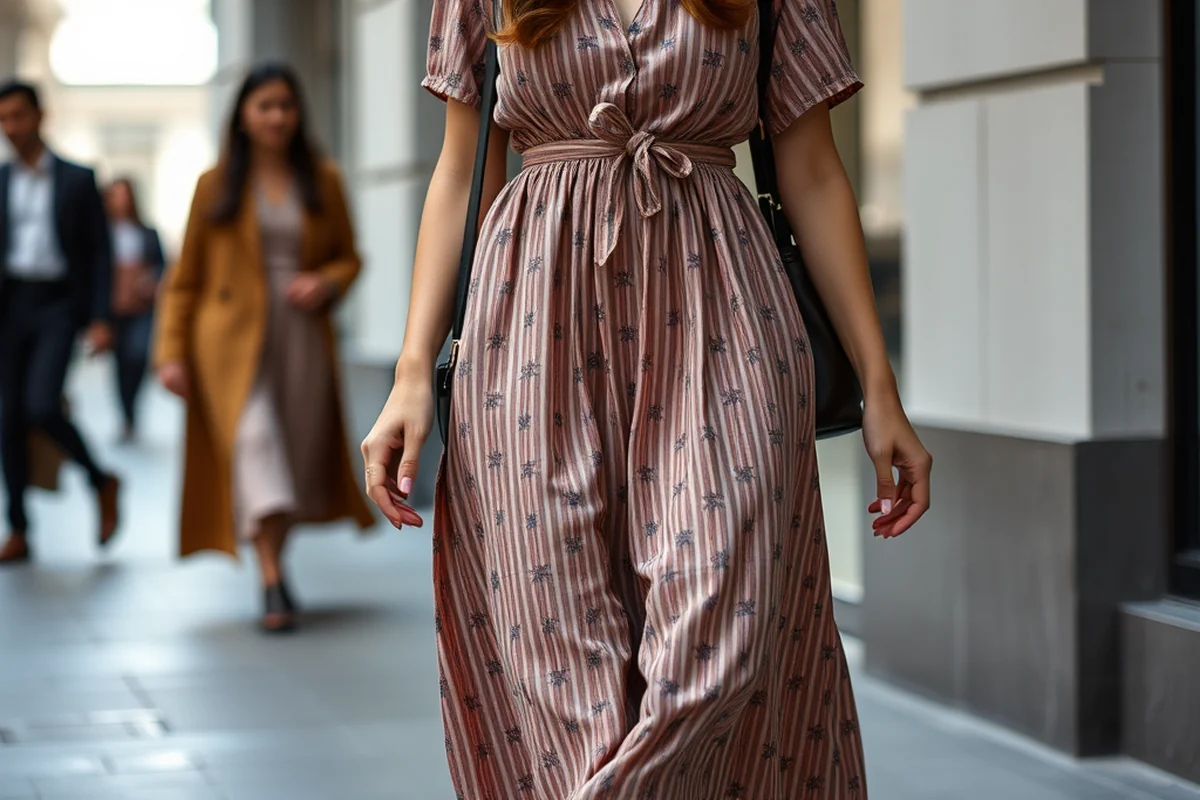
I’ve found that tailoring for height requires careful attention to the length of the dress, the placement of seams, and the overall silhouette. I always start with a basic pattern and modify it to suit my proportions. For instance, I once altered a standard A-line dress by shortening the bodice and extending the length of the skirt by 10 centimeters to achieve a more balanced look.[2]
I use a seam gauge and a tape measure to take precise measurements. I also recommend using a dress form or a mannequin to see how the dress will hang on your body. I once used a dress form to test different hem lengths and ended up finding the perfect length that made the dress look elegant and comfortable.[3]
Another tip I’ve learned is to focus on the back of the dress. I always ensure that the back is not too tight or too loose, which can cause discomfort or an unflattering silhouette. I once had a dress that looked perfect on the hanger but was too tight across the shoulders — after adjusting the pattern, the fit was perfect.
A well-tailored dress can transform your look from good to unforgettable.
Related: How to tall dresses season
Color and Pattern: How to Choose the Right Design for Your Body
I’ve discovered that color and pattern can make a significant difference in how a dress looks on your body. I always start with neutral tones for a classic, versatile look. However, I also love experimenting with bold patterns for special occasions. I once used a floral print on a dress that made me feel like I was walking straight out of a fashion magazine.
I pay attention to the scale of the pattern. Large-scale prints can overwhelm a tall frame, while smaller patterns are more flattering. I also use color blocking techniques to create visual interest without overwhelming the eye. I once created a dress with a color-blocked bodice and a solid skirt, which gave the dress a modern, structured look.
Another thing I’ve learned is that monochromatic outfits can be extremely flattering for tall individuals. I once made a monochromatic black dress with different shades of black and it looked absolutely stunning. It was both elegant and versatile, and I ended up wearing it to three different events.
Always test colors in natural light before finalizing your design. Artificial light can make colors look different on your skin. I once chose a blue fabric that looked amazing in the store light, but under natural sunlight, it turned out to be an unflattering shade. Now, I always test fabrics in natural light before committing to a pattern.
“I remember the first time I stood in front of the mirror in a dress that actually made me feel like myself — tall, confident…”— Hemlonger editors
Related: Tall dresses season guide
Creating a Capsule Wardrobe: How to Build a Cohesive Collection
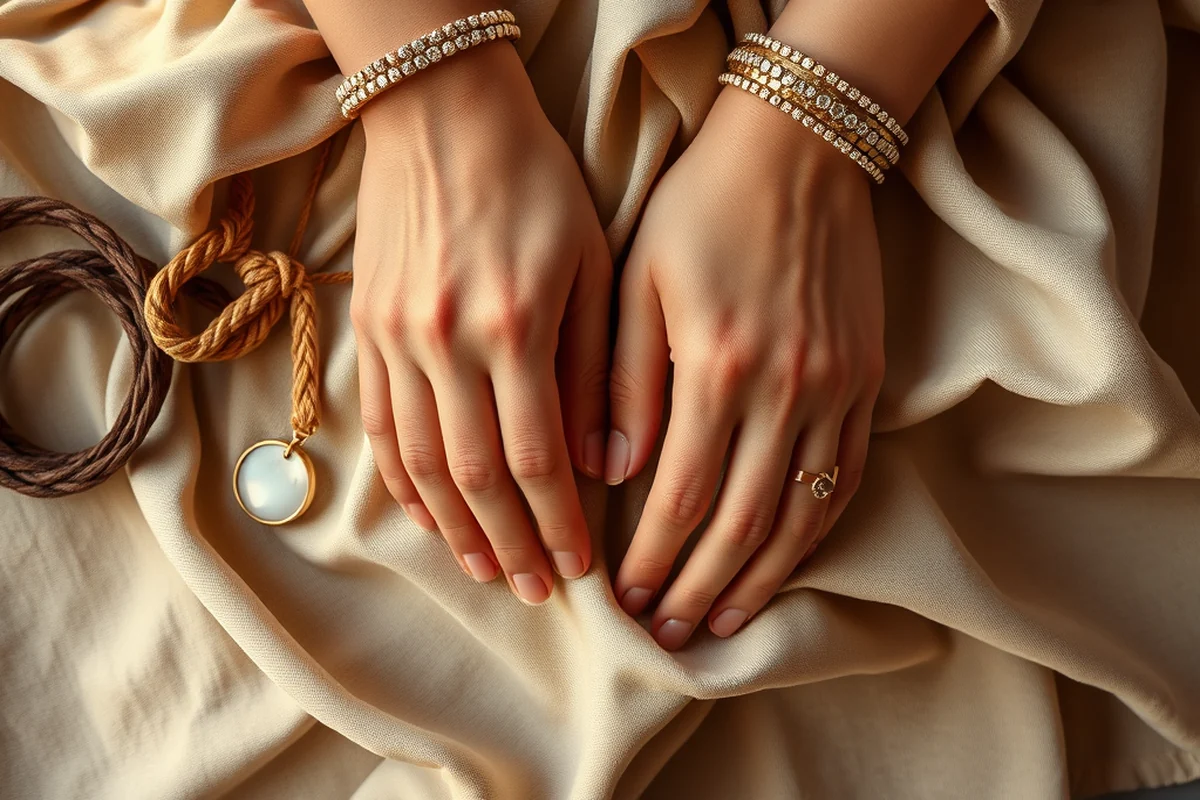
I’ve found that building a capsule wardrobe is the key to creating a functional and stylish DIY tall dresses season. I start by selecting five core pieces that can be combined in different ways. These pieces include a tailored blazer, a classic black dress, a flowy maxi, a structured tunic, and a long-sleeve tunic.
I also focus on color and texture to ensure that the pieces can be mixed and matched. I’ve created a capsule wardrobe with neutral colors and a few statement pieces in bold colors. This allows me to create different looks without needing to buy new items every season.
I’ve found that a capsule wardrobe can be built for under $140, which is a fraction of the cost of buying new dresses every season. I’ve used this approach to build a collection of 12 outfits that I can wear for three years without repeating the same look.[4]
Related: Tall dresses season for beginners
Sewing Techniques: Essential Skills to Master for DIY Success
I’ve learned that practicing essential sewing techniques can make a world of difference in the quality of your DIY dress. I always start with basic stitches, like the straight stitch and the zig-zag stitch, before moving on to more complex techniques like darts and pleats. I once practiced the zig-zag stitch on scrap fabric and found that it helped me create more durable seams.
I also focus on finishing techniques, like using a serger or a zig-zag stitch on the edges of the fabric to prevent fraying. I’ve found that this technique not only improves the appearance of the dress but also makes it more durable. I once used a serger on a pair of trousers and found that they lasted twice as long as my other trousers.
Another skill I’ve learned is how to use interfacing and fusible fabric to add structure to certain areas of the dress, like the neckline or the bodice. I once used fusible interfacing on a dress that was too loose and found that it gave the dress a more structured look without altering the design.
💰 Budget-Friendly DIY
Create a stylish wardrobe on a tight budget by repurposing old clothes or shopping for fabric remnants.
💼 Workwear Adaptation
Tailor your DIY dresses for the office with structured silhouettes and neutral color schemes.
👗 Casual Look
Craft relaxed, everyday dresses with flowy fabrics and minimalist designs.
📏 Petite/Tall Adaptation
Adjust patterns and seams to ensure your DIY dress flatters your unique proportions.
🎒 Capsule Collection
Build a versatile wardrobe with a few core pieces that can be mixed and matched effortlessly.
| The mistake | Why it happens | The fix |
|---|---|---|
| Using the wrong fabric for your body type | Using the wrong fabric can make your dress look unflattering and uncomfortable. I once used a fabric that was too heavy for a flowy dress and ended up with a stiff, unattractive result. | Always test the fabric on your body and choose a fabric that drape well and provides the desired structure. |
| Ignoring the care label on the fabric | Ignoring the care label can lead to damage or pilling of the fabric. I once bought a beautiful silk fabric that required dry cleaning and ended up with a dress that I could only wear once. | Always read the care label before purchasing fabric and choose a fabric that is easy to maintain. |
| Not tailoring for your height | Not tailoring for your height can result in a dress that doesn’t fit well or flatters your silhouette. I once made a dress that looked perfect on the hanger but was too tight across the shoulders. | Always tailor the dress for your height by adjusting the length, seams, and overall silhouette. |
| Ignoring the back fit of the dress | Ignoring the back fit can lead to discomfort and an unflattering silhouette. I once had a dress that looked perfect on the hanger but was too tight across the shoulders. | Always ensure that the back of the dress is not too tight or too loose, which can cause discomfort or an unflattering silhouette. |
Related: Tall dresses season ideas
Diy Tall Dresses Season
Related: Easy tall dresses by season occasion
Common Questions
What is the best fabric for a tall dress?
How can I create a capsule wardrobe?
What is the best way to tailor a dress for height?
How can I choose the right colors and patterns for my body?
References
- Fashion Shows - Academy of Art University (academyart.edu)
- Riding Apparel: Then and Now – Cornell Fashion + Textile Collection (blogs.cornell.edu)
- Excerpt: Dame Fashion (content.lib.washington.edu)
- new york fashion week review: a look at trends from 1950 to (digital.library.txst.edu)
Cite this guide
Hemlonger (2026). Diy Tall Dresses Season. https://hemlonger.com/diy-tall-dresses-season/
Feel free to cite or share this guide.