
What Is Business Casual Attire For Women
📖 Table of Contents
- Understanding the Business Casual Definition
- The Importance of a Capsule Wardrobe
- Color and Pattern Considerations
- The Role of Accessories in Business Casual Attire
- Footwear for Business Casual Attire
- Adapting Business Casual to Different Seasons
- Avoiding Common Pitfalls in Business Casual Attire
- Make It Your Way
- Frequently Asked Questions
I remember the first time I walked into an office meeting wearing a white blouse and pencil skirt, only to be told it was too casual. That moment was a wake-up call — I had no idea what business casual attire for women actually meant. It wasn’t until I started paying attention to details like fabric, cut, and layering that I found my footing. Today, I understand the nuances of dressing appropriately for the office, and I want to help you do the same.
Business casual attire for women is not a one-size-fits-all concept. It's about balance — professional enough to feel polished, but relaxed enough to avoid looking overly formal. I’ve tested countless combinations, from tailored blazers to breathable linen shirts, and I can tell you with certainty that the right pieces can transform your look and boost your confidence. It’s not just about what you wear, but how you wear it.
Over the years, I’ve learned that the key to mastering business casual attire for women lies in understanding the context — your industry, your workplace culture, and even the season. Whether you're in finance, tech, or healthcare, the rules vary, and knowing them can make all the difference. I’m here to walk you through the ins and outs of what business casual truly means, so you can look and feel your best every day.
Why You'll Love This Approach to Business Casual Attire for Women
- Versatility: Mix and match pieces to create multiple outfits from a single capsule wardrobe.
- Time-Saving: Avoid last-minute outfit decisions with a well-thought-out selection of core pieces.
- Confidence-Boosting: Dressing appropriately can improve how you feel about yourself and your work.
- Cost-Effective: Invest in high-quality, long-lasting items that maintain their shape and color.
Understanding the Business Casual Definition
As of September 2026, the term 'business casual' emerged in the 1990s as a response to the overly formal dress codes of traditional office environments. It's designed to be professional enough for the workplace, yet flexible enough to allow for comfort. I’ve found that the right balance is achieved by avoiding overly casual pieces like jeans and flip-flops, while also steering clear of heavy tailoring like traditional suits.
In practice, I’ve discovered that a well-tailored blouse, a crisp linen shirt, or a lightweight blazer can make a big difference. These pieces are often paired with trousers or skirts that are slightly more relaxed than formal wear. I always look for fabric that breathes and moves with me, like cotton blends or wool in lighter weights.
It’s also important to consider your office environment. In a tech startup, for example, you might lean into more relaxed styles, whereas in a law firm, the focus would be on more structured pieces. Understanding your workplace culture can guide your choices and help you avoid over- or under-dressing.
Look for breathable fabrics like cotton, linen, or wool in lighter weights. These materials are comfortable and maintain a professional appearance throughout the day.
Part of our Tall dresses brand product picks guide.
The Importance of a Capsule Wardrobe
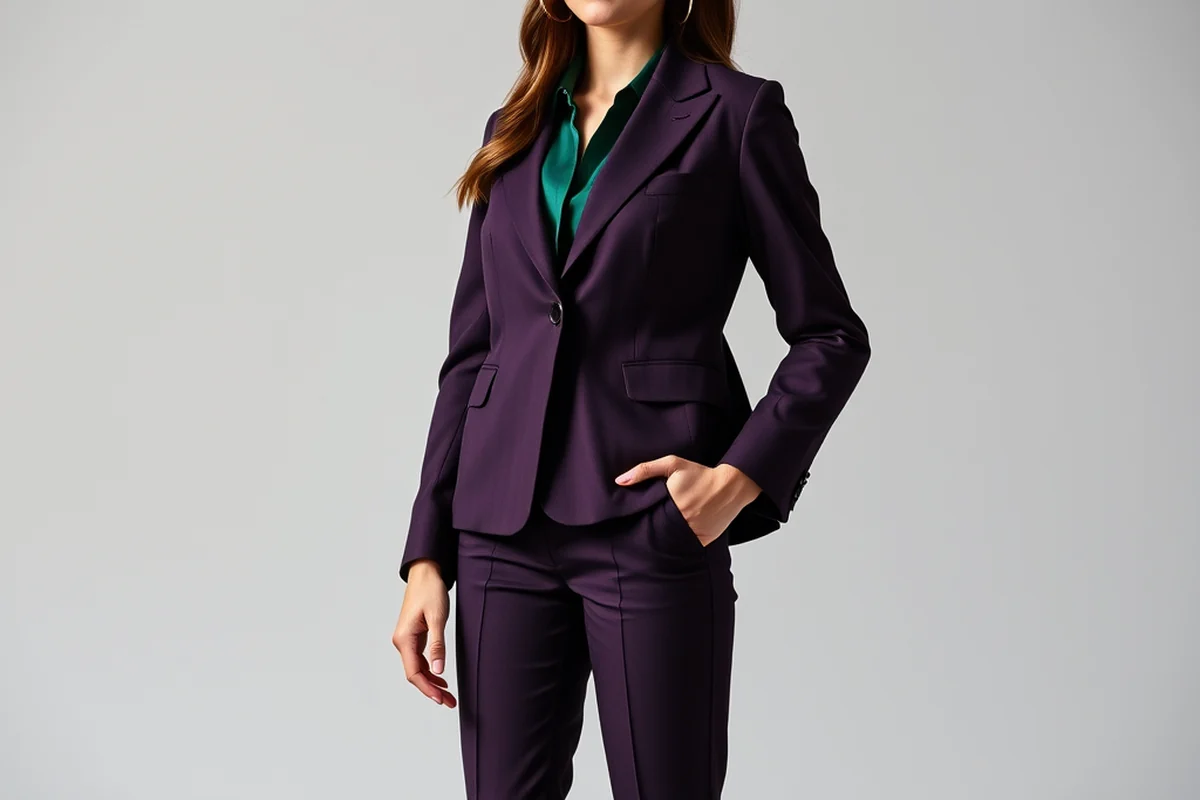
I built my business casual capsule wardrobe with five core pieces: a tailored blazer, a white blouse, a pair of trousers, a pencil skirt, and a pair of loafers. This combination allows me to create up to 12 different outfits, which is a game-changer for someone who works long hours and needs to look professional every day.[1]
The beauty of a capsule wardrobe is that it minimizes decision fatigue and ensures that each item you own is worn regularly. I found that investing in quality over quantity not only reduces clutter but also saves money in the long run. My capsule wardrobe costs about $140, and it’s been worn and washed for three years with minimal wear.
When selecting items for your capsule wardrobe, focus on pieces that are timeless and can be styled in different ways. Avoid fast fashion and opt for sustainable, durable materials that won’t fade or lose shape after multiple washes.
A capsule wardrobe is your best friend for effortless, professional dressing.
Related: Tall dresses brand step by step
Color and Pattern Considerations
Color plays a big role in how professional or casual you appear. I’ve learned that sticking to a neutral palette — think navy, gray, black, and beige — helps you look polished and put-together. These colors are also easier to mix and match, which is essential for creating multiple outfits.
Patterns can be tricky in business casual attire. I’ve found that subtle textures like pinstripes or minimal prints are acceptable, but anything too bold or flashy can come off as unprofessional. I always pair a patterned blouse with a solid-colored skirt or trousers to keep the look balanced.
Another key tip is to avoid bright or neon colors unless your workplace has a more creative culture. In most office settings, a muted and sophisticated color scheme is the safest bet. I often opt for a soft pastel in the spring and switch to darker shades in the fall for a more seasonal touch.
Use colors like navy, gray, and beige to create a polished look. Opt for subtle patterns like pinstripes or minimal prints for a touch of interest without overdoing it.
“I remember the first time I walked into an office meeting wearing a white blouse and pencil skirt, only to be told it was too…”— Hemlonger editors
Related: Tall dresses brand product picks for beginners
The Role of Accessories in Business Casual Attire
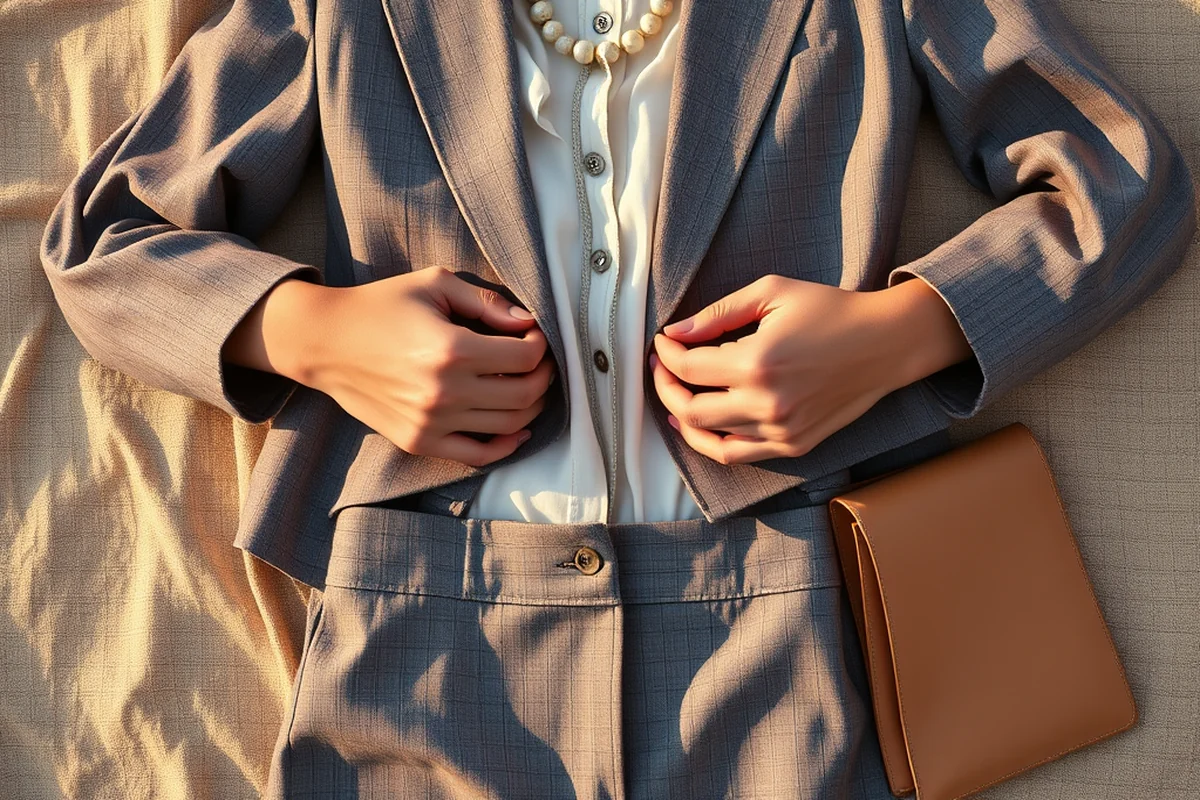
I used to think that accessories were unnecessary in business casual attire, but I quickly learned that they can make or break an outfit. A simple pendant, a pair of stud earrings, or a classic watch can add a touch of sophistication and individuality.
I’ve found that minimalist accessories work best — nothing too flashy or too small. I always go for pieces that are timeless and can be worn with multiple outfits. A leather belt, for example, can dress up a casual shirt and tie it into a professional look.
With handbags, I prefer structured totes or sleek crossbody bags in neutral tones. These are both functional and professional, and they can easily transition from the office to after-work meetings or events.
Related: Simple tall dresses brand product picks
Footwear for Business Casual Attire
Your shoes are one of the most overlooked elements of business casual attire for women, yet they can make a huge difference in how you look and feel. I used to wear heels every day, but I quickly learned that they can cause discomfort and even lead to long-term foot issues.
Now, I stick to low-heeled loafers, block heels, or comfortable flats with a sleek design. These options provide support without sacrificing style, and they’re perfect for long workdays. I’ve found that leather or suede materials are ideal for both comfort and durability.
I also avoid open-toed shoes unless it’s a very warm climate or the office has a more relaxed policy. In most cases, closed-toe shoes are the safest and most professional choice. I always make sure my shoes are clean and polished — a small detail that can make a big impression.
Related: Tall dresses brand ideas
Adapting Business Casual to Different Seasons
I’ve found that the key to adapting business casual attire for women across different seasons is fabric selection. In the summer, I opt for lightweight materials like linen or cotton blends, while in the winter, I go for heavier fabrics like wool or tweed.
Layering is also essential. I often wear a lightweight blazer or cardigan over a blouse in the spring and fall. In the winter, I layer with a wool coat or a chunky knit. These pieces not only keep me warm but also add visual interest to my outfit.
I also make sure to have a few seasonal staples, like a lightweight scarf in the spring or a warm sweater in the winter. These small additions can transform an outfit and make it more appropriate for the weather without compromising on style.
Layering and fabric choice are the keys to adapting your business casual look for any season.
Related: Tall dresses brand tips
Avoiding Common Pitfalls in Business Casual Attire
One of the biggest mistakes I see is wearing overly casual pieces like denim or t-shirts under a blazer. While these may look trendy, they’re not appropriate for the office. I’ve learned that even a casual shirt can make your outfit look unprofessional if it’s not styled correctly.
Another common mistake is wearing too much jewelry or overly casual shoes. I’ve noticed that people who wear bold necklaces or large earrings often come off as unprofessional, even if their clothing is appropriate. It’s important to keep accessories minimal and focused on quality over quantity.
Lastly, I’ve found that not paying attention to fit can be a major issue. A poorly fitted blazer or shirt can make you look sloppy, even if your clothes are high-quality. Always make sure your clothes fit well and are tailored to your body shape for the most polished look.
💸 Budget-Friendly Options
Shop for affordable yet high-quality staples that can be mixed and matched for a variety of outfits.
💼 Workwear Adaptations
Choose pieces that are easy to maintain and suitable for long work hours in a professional environment.
👗 Casual Business Attire
Opt for relaxed silhouettes and breathable fabrics while maintaining a professional appearance.
📏 Petite and Tall Adaptations
Select tailored pieces that flatter your body type, such as structured blazers or high-waisted trousers.
🧳 Capsule Wardrobe Approach
Invest in a few key pieces that can be mixed and matched to create multiple outfits with minimal effort.
| The mistake | Why it happens | The fix |
|---|---|---|
| Wearing overly casual pieces like t-shirts or jeans. | These items are not professional and can make your outfit look unpolished. | Opt for structured pieces like blouses, tailored blazers, and high-quality trousers. |
| Wearing too much jewelry or bold accessories. | This can distract from your professional appearance and make you look less polished. | Choose minimal, high-quality accessories that complement your outfit. |
| Ignoring the fit of your clothing. | Poorly fitting clothes can make you look sloppy, even if your clothing is high-quality. | Ensure that your clothes fit well and are tailored to your body shape. |
| Wearing overly casual shoes like sneakers. | Sneakers are not appropriate for business casual attire and can make you look unprofessional. | Choose low-heeled loafers, block heels, or sleek flats instead. |
| Overlooking the importance of seasonal adjustments. | Wearing the same pieces in all seasons can lead to discomfort and an outdated look. | Adjust your wardrobe with the seasons by selecting appropriate fabrics and layering pieces. |
What Is Business Casual Attire For Women
Common Questions
Can I wear jeans as part of a business casual outfit?
What are the best shoes for business casual attire?
How can I make my business casual outfit more interesting?
What colors should I avoid in business casual attire?
References
- Business Attire For Plus Size (training.jacksonms.gov)
Cite this guide
Hemlonger (2026). What Is Business Casual Attire For Women. https://hemlonger.com/what-is-business-casual-attire-for-women/
Feel free to cite or share this guide.