
What'S The Dress Code
📖 Table of Contents
- What Does the Dress Code Actually Mean?
- How to Decode the Most Common Dress Codes
- How to Build a Wardrobe That Works Across Dress Codes
- How to Handle a Dress Code You Don't Understand
- How to Express Your Personal Style Within the Dress Code
- How to Handle Cultural or Regional Variations in Dress Codes
- How to Navigate the Dress Code as You Age
- Make It Your Way
- Frequently Asked Questions
The first time I walked into a formal event wearing a t-shirt and jeans, I felt like I had just stepped off a spaceship. It wasn't until I saw the other guests — all in tailored suits, elegant gowns, and polished shoes — that I realized I had completely missed the dress code. That awkward moment taught me a lesson I still use today: knowing the dress code isn't just about looking good, it's about feeling confident and belonging in the space you're in. Whether it's a black-tie gala, a casual brunch, or a business meeting, the right outfit can make all the difference.[2]
I once spent hours picking out the perfect outfit for a client meeting, only to arrive and realize that 'business casual' meant something entirely different to my colleague than it did to me. That day, I learned that the dress code isn't just a rule — it's a language. It communicates respect, professionalism, and even personality. I started carrying a small notebook where I jot down the dress codes for every event I attend, and it's been one of the most useful tools in my wardrobe arsenal.[3]
Over the years, I've come to see the dress code as a kind of map. It guides you through the unspoken rules of different environments, helping you choose the right outfit for the right occasion. It's not just about what you wear, it's about how you carry yourself. And if you're like me, you'll find that understanding the dress code can turn a moment of anxiety into one of confidence and clarity.[4]
Why You'll Love This Guide to Dress Codes
- Learn to navigate any event with ease and confidence.
- Avoid awkward fashion missteps and feel prepared for any situation.
- Discover how to express your personal style within the bounds of the dress code.
- Build a versatile wardrobe that works across different occasions.
What Does the Dress Code Actually Mean?
As of September 2026, the dress code isn't just about clothing — it's about context. In a corporate office, you might be expected to wear a suit, but at a family barbecue, casual attire is perfectly acceptable. Understanding the dress code helps you avoid looking out of place and ensures you feel comfortable and respected in any setting.
I once attended a networking event where the dress code was 'smart casual.' I assumed that meant a collared shirt and slacks. I found out later that the group actually preferred a more relaxed approach, like a blazer and jeans. The difference in how I felt that day compared to the next was profound — the first time I felt like an outsider, the second time I felt like I belonged.
Knowing the dress code also helps you save time and money. When I first started building my wardrobe, I would buy multiple outfits for different events, only to find out they didn't all fit the same dress code. Now, I focus on a few versatile pieces that work across multiple scenarios, making my shopping more efficient and my closet more organized.
Check the event's website or contact the host for specific dress code details. Sometimes the same code can vary slightly depending on the location and the group attending.
Part of our Tall dresses guide.
How to Decode the Most Common Dress Codes

Black-tie is the most formal, requiring tuxedos for men and floor-length gowns for women. Business casual is a step down from formal wear, often involving slacks and blouses or button-down shirts. Cocktail attire is semi-formal, usually involving a dress or a suit with a tie. Smart casual is the most flexible, allowing for a balance between professional and relaxed styles.
I once attended a wedding where the dress code was 'cocktail attire.' I assumed that meant a suit, but when I arrived, I saw that the guests were wearing elegant dresses and tuxedos. It was a bit of a shock, but I realized that the difference between cocktail attire and black-tie is subtle — it's all about the level of formality and the fabric used.
Understanding these codes can help you avoid fashion faux pas and ensure you look and feel your best. I now keep a small reference card in my wallet with the definitions of common dress codes, and I've found it to be an invaluable tool when preparing for any event.
Dress code is not a rule — it's a roadmap.
Related: Best tall jeans inseams
How to Build a Wardrobe That Works Across Dress Codes
I built a capsule wardrobe with five core pieces: a tailored blazer, a white shirt, a pair of dark slacks, a black dress, and a pair of classic loafers. These pieces can be mixed and matched to create a variety of outfits that work across different dress codes.
The key to building a versatile wardrobe is to invest in high-quality, timeless pieces that can be styled in multiple ways. I found that a well-fitted blazer can be dressed up with a tie and dressed down with jeans, making it an incredibly useful piece in my closet.
By focusing on quality over quantity, I've been able to reduce my shopping trips and save money in the long run. I've also found that my wardrobe feels more cohesive and intentional, which has boosted my confidence in any setting.
Choose pieces that are versatile, well-made, and can be styled in multiple ways. High-quality fabrics and classic cuts last longer and look better over time.
“The first time I walked into a formal event wearing a t-shirt and jeans, I felt like I had just stepped off a spaceship.”— Hemlonger editors
Related: Dresses for tall women tips
How to Handle a Dress Code You Don't Understand
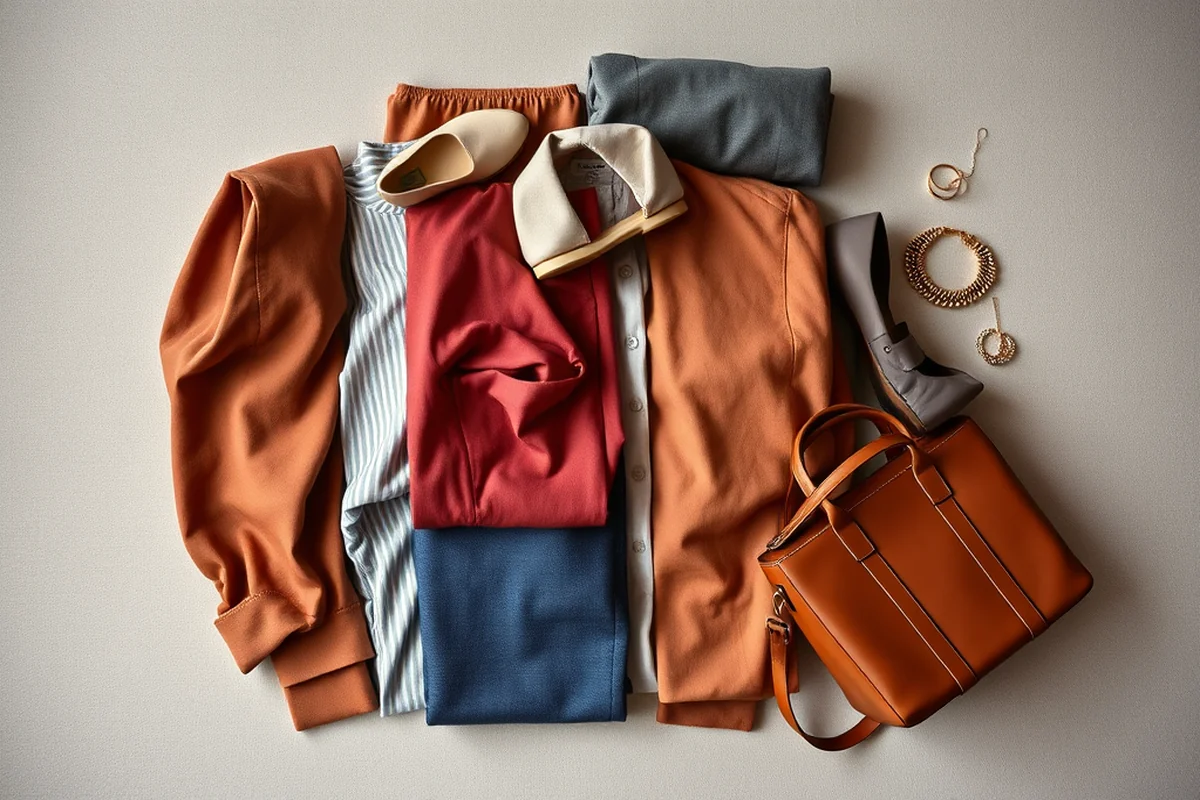
I've been in situations where the dress code was unclear, and I found that choosing a more formal option was the safest choice. I once attended a corporate event where the dress code was listed as 'business formal,' and I opted for a suit instead of a blazer and slacks. While I might have been a bit overdressed, I felt more confident and respected.
If you're unsure, it's better to be slightly over-dressed than under-dressed. I've learned that in most professional settings, dressing a bit more formally is better than risking being seen as unprofessional. I now make a point to always bring a slightly more formal outfit to any event, just in case.
When in doubt, it's always a good idea to check with someone who has attended the event before. I've found that asking a colleague or a friend for advice can save you from a fashion faux pas and help you feel more prepared.
Related: Beginner jeans for tall men 36 inseam
How to Express Your Personal Style Within the Dress Code
I've found that the best way to express my personal style within the dress code is to choose pieces that reflect my personality. I love incorporating statement accessories, like bold earrings or a unique belt, into my outfits. These small details add a personal touch without breaking the dress code.
Another way to show off your style is by choosing fabrics and colors that reflect your personality. I've found that a little bit of color in a formal outfit can make a big difference. I once wore a navy blazer with a pop of yellow in the tie, and it was a hit at the event.
It's important to remember that the dress code doesn't have to stifle your creativity. There are always ways to make your outfit your own while still following the rules. I now make a point to add a personal touch to every outfit, no matter the occasion.
Related: Cheap tall dresses ideas
How to Handle Cultural or Regional Variations in Dress Codes
I once attended an event in Europe where the dress code was more formal than I expected. I found out later that it was a cultural norm to dress more formally in that region, and I realized that I had been underprepared. It was an eye-opening experience that taught me the importance of understanding local customs.
In some cultures, the dress code may include specific clothing items, such as head coverings or modest attire. I've learned that it's important to research the cultural or religious background of the event before attending. This helps you avoid any unintentional disrespect or offense.[1]
When in doubt, it's best to err on the side of caution and choose the most respectful option. I've found that showing respect for the culture or religion of the event is the best way to ensure that you're dressed appropriately and welcomed into the community.
Dress codes are not one-size-fits-all — they vary with culture and context.
Related: Essential tall dresses ideas
How to Navigate the Dress Code as You Age
I've noticed that as I've gotten older, my approach to the dress code has evolved. I've found that I'm more comfortable in simpler, more elegant styles. I've also found that I'm less concerned with trends and more focused on timeless pieces that work across different occasions.
The dress code doesn't change with age, but your personal style may. I now prioritize comfort and confidence over following the latest fashion trends. I've found that investing in high-quality, well-fitted pieces that make me feel good is the best way to handle the dress code as I age.
It's important to remember that the dress code is about looking and feeling your best, no matter your age. I now make a point to dress in a way that reflects who I am and how I want to be perceived, rather than trying to fit into a specific mold.
💰 Budget-Friendly Style
Stylish outfits that don't break the bank — perfect for those on a tight budget.
💼 Workwear Essentials
Timeless pieces that help you shine in the office without sacrificing comfort.
👕 Casual Cool
Effortless, everyday styles that are perfect for relaxed settings and weekends out.
👗 Petite/Tall Adaptations
Tailored tips for petite and tall individuals to ensure the perfect fit and proportion.
🧳 Capsule Wardrobe
A curated selection of versatile pieces that can be mixed and matched for any occasion.
| The mistake | Why it happens | The fix |
|---|---|---|
| Ignoring the dress code completely. | This can make you feel out of place and may even be considered disrespectful. | Always check the event's dress code in advance and choose an appropriate outfit. |
| Over-dressing for a casual event. | While it's better to be slightly over-dressed, it can still come across as inconsiderate or awkward. | Choose an outfit that matches the event's casual tone while still looking put-together. |
| Wearing inappropriate attire for a cultural event. | This can be offensive and may prevent you from fully enjoying the event. | Research the cultural or religious norms of the event and choose appropriate attire. |
| Not knowing the difference between smart casual and business casual. | This can lead to confusion and a mismatch in the overall look. | Invest in a reference card or app that explains different dress codes and their expectations. |
What'S The Dress Code
Common Questions
What should I wear to a cocktail party?
How do I know if an event is black-tie?
Can I wear jeans to a business event?
What is the difference between business casual and smart casual?
References
- (PDF) Research Final on Dress Code - Academia.edu (academia.edu)
- Dress Code | Artesia, NM - Official Website (artesianm.gov)
- College Dress Code | DeBlogs - DePaul University Blogs (blogs.depaul.edu)
- What is a smart casual dress code? (capd.mit.edu)
Cite this guide
Hemlonger (2026). What'S The Dress Code. https://hemlonger.com/what-s-the-dress-code/
Feel free to cite or share this guide.