
What Is A Kaftan Dress

📖 Table of Contents
The first time I wore a kaftan dress, it was during a trip to Marrakech. The fabric was so soft it felt like a second skin, and I noticed how effortlessly it moved with me as I wandered through the souks. I had never considered it a ‘dress’ before, but it was undeniably feminine, elegant, and comfortable in a way I hadn’t experienced with any other garment. That moment sparked my curiosity about what exactly a kaftan dress is — and why it keeps showing up in fashion circles from North Africa to high-end runways.[1]
I remember trying on a kaftan at a boutique in Istanbul, and the sales associate said it was inspired by Ottoman-era silhouettes. I was intrigued — not just by the design, but by the idea that a kaftan could be both historical and modern. It wasn’t just a dress; it was a statement, a celebration of craftsmanship and cultural roots. That’s when I realized the kaftan dress is more than a fashion item — it’s a bridge between eras, cultures, and styles.[2]
As I continued exploring the world of fashion, I found myself drawn to the kaftan dress again and again. Whether it was a flowing, embroidered piece in a Moroccan market or a minimalist, linen version from a sustainable brand, it always felt like an effortless choice. It's this blend of history, comfort, and elegance that makes me want to dive deeper into understanding what exactly defines a kaftan dress — and how it fits into our modern wardrobes.[3]
Why You'll Love This Timeless Style
- Versatile for day and night wear
- Comfortable without compromising on elegance
- Stylish across cultures and eras
- Easy to layer and mix with other pieces
What Exactly Is a Kaftan Dress?
As of November 2026, at its core, a kaftan dress is a loose, flowing garment that typically features long sleeves, a high neckline, and an empire waist. It’s often made from soft, breathable fabrics like cotton, silk, or linen. The kaftan has deep roots in Middle Eastern and North African fashion, where it was traditionally worn by both men and women as part of everyday and ceremonial attire.[4]
What makes the kaftan dress stand out is its versatility. It can be embroidered with intricate patterns, dyed in rich, saturated colors, or left simple and minimalist. I once owned a kaftan made from handwoven Egyptian cotton that was so comfortable I wore it every day during a hot summer in Cairo. It didn’t feel like a dress — it felt like a second layer of skin.
In modern fashion, the kaftan dress has evolved into a staple for both casual and formal occasions. Designers have taken the classic silhouette and added modern twists, like asymmetrical hems, bold prints, or tailored details. It’s a piece that can be dressed up with heels and statement jewelry or dressed down with sandals and a straw hat.
Cotton and linen are perfect for summer, while heavier silks or blends work better in cooler weather. I always check the care label before purchasing.
Part of our Tall dresses guide.
Where Did the Kaftan Dress Originate?
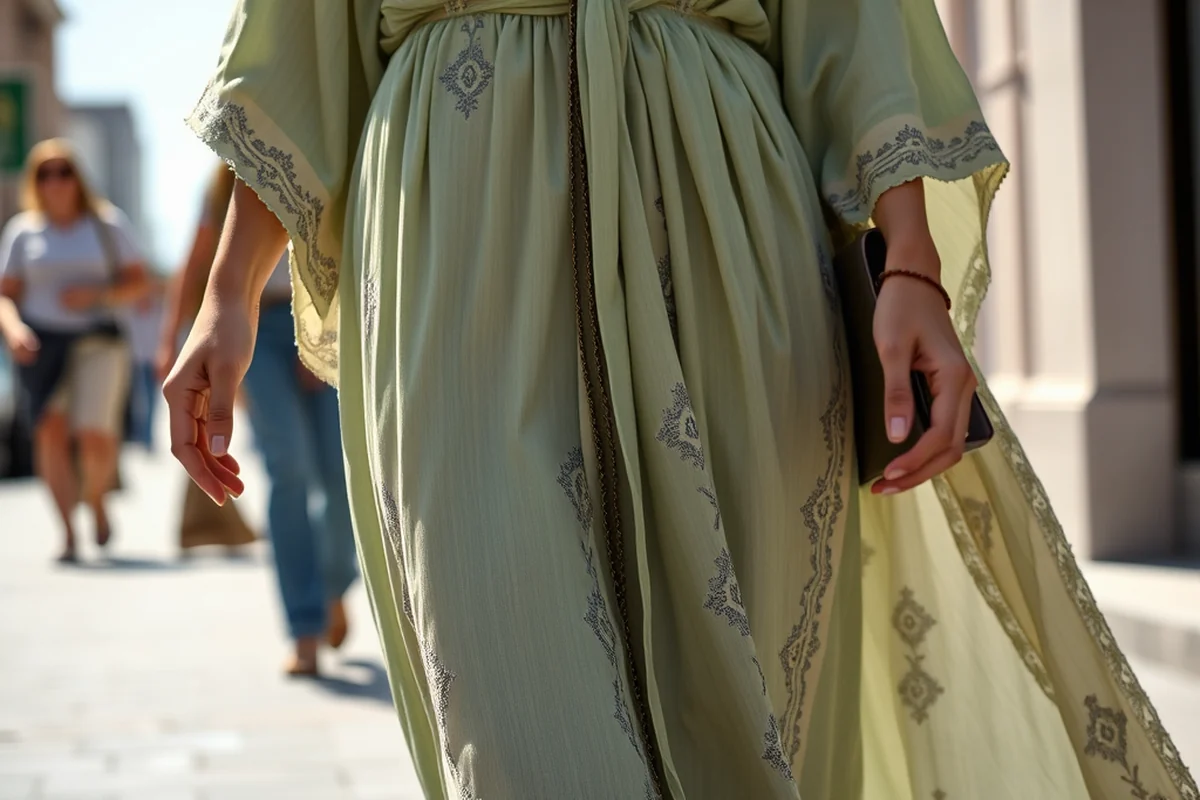
The kaftan has its origins in the Ottoman Empire and was a staple of both men's and women's wardrobes. In North Africa, the kaftan evolved into a more flowing, colorful garment, often worn during special occasions. I remember visiting a museum in Marrakech and seeing vintage kaftans displayed — each one was a work of art with intricate embroidery and bold patterns.
The Mughal Empire in India also had its version of the kaftan, called the 'kurti,' which was a lighter, shorter version. These garments were often made from rich silks and adorned with gold thread. What’s fascinating is how similar the kaftan is to the Japanese 'kimono' and the Indian 'sari' — all are flowing, elegant garments with deep cultural significance.
Today, the kaftan dress is a global fashion staple, worn by people from all walks of life. It’s been embraced by celebrities, fashion designers, and even everyday people who appreciate its comfort and style. I’ve seen it on red carpets, in boutique stores, and even on beach vacations — always looking effortlessly elegant.
The kaftan is a timeless piece with roots in centuries of tradition.
Related: Tall dresses tips
How to Style a Kaftan Dress
Styling a kaftan dress is all about balance and contrast. For a casual look, I pair it with flat sandals, a wide-brimmed hat, and a woven tote. The key is to keep the accessories simple and let the dress itself be the focal point. I once wore a kaftan with a pair of espadrilles to a beach party and received so many compliments — it was like being wrapped in a cloud of fabric.
For a more formal event, I opt for heels, statement jewelry, and a clutch. I once wore a black kaftan to a gala and paired it with gold heels and a diamond pendant — it was a dramatic, elegant look that turned heads. The kaftan’s flowing silhouette gives it a dramatic effect that is hard to achieve with other garments.
Layering is another option. I’ve worn a kaftan over a slip dress for a night out, or paired it with a cropped jacket for a more structured look. It’s a versatile piece that can be dressed up or down depending on the occasion.
A simple belt can add definition to the waist, while a bold necklace can elevate the look from casual to formal. I always carry a few different accessories to mix and match.
“The first time I wore a kaftan dress, it was during a trip to Marrakech.”— Hemlonger editors
Related: Best big and tall dress shirts
Why the Kaftan Dress Is Making a Comeback
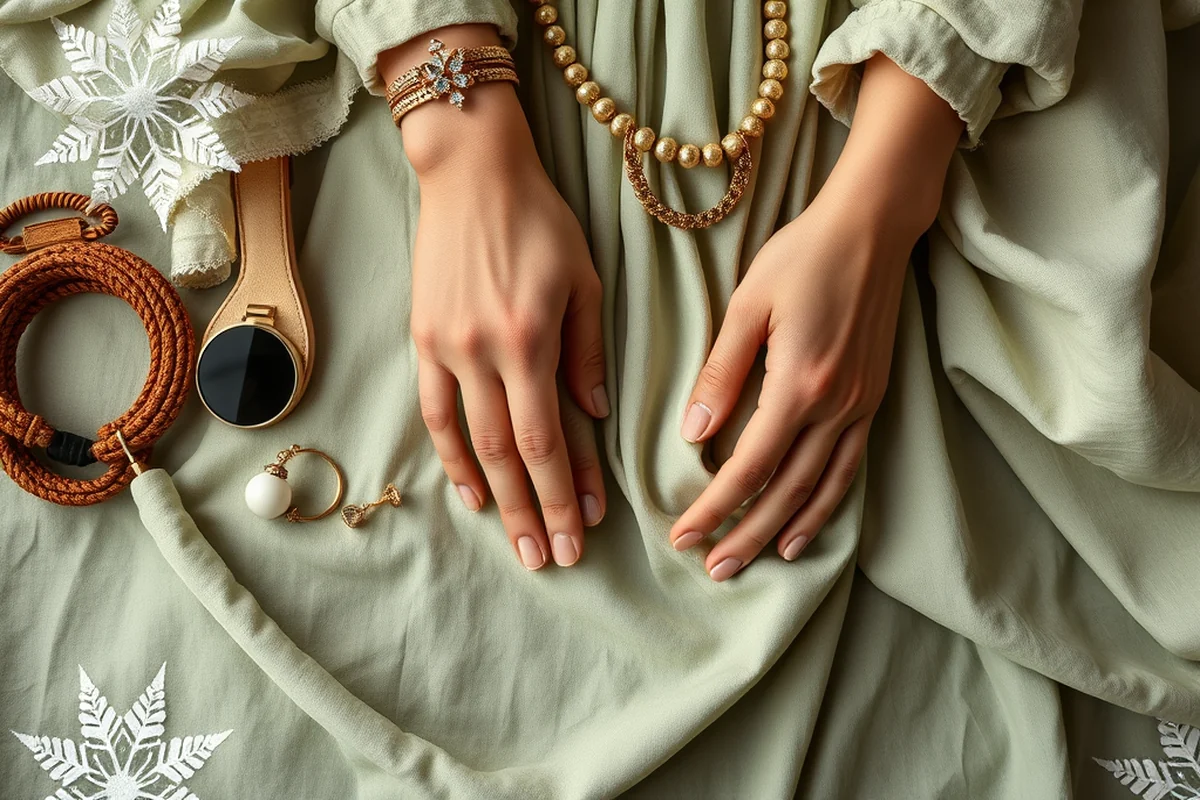
In recent years, the kaftan dress has been embraced by the fashion industry as a sustainable and timeless alternative to fast fashion. Designers are using eco-friendly materials and traditional techniques to create kaftans that are both stylish and ethical. I recently purchased a kaftan made from organic cotton and hand-embroidered by artisans in Morocco — it was a beautiful, one-of-a-kind piece.
The rise of influencer culture and social media has also helped the kaftan gain popularity. Celebrities and fashion bloggers often wear kaftans for their relaxed, effortless style. I’ve seen influencers wear kaftans on vacation, at festivals, and even in city settings — proving that the kaftan is a versatile piece for any occasion.
Another reason the kaftan is making a comeback is its comfort. Unlike many modern dresses that can be restrictive, a kaftan allows for free movement and breathability. I’ve worn mine during long hikes and late-night parties — and it’s always been comfortable. It’s a piece that moves with you, not against you.
Related: Tall dresses for wedding guest without tools
The Kaftan Dress as a Sustainable Fashion Choice
Sustainability is a big reason I’ve fallen in love with the kaftan dress. Many modern kaftans are made from organic cotton, linen, or recycled materials. I’ve noticed that eco-conscious brands are increasingly using natural dyes and ethical production methods. This makes the kaftan not only stylish but also responsible for the environment.
I once purchased a kaftan from a brand that uses upcycled fabric from old clothing — the result was a beautiful, one-of-a-kind piece that told a story. These sustainable practices help reduce waste and support fair labor conditions. It’s a win-win for both the planet and the fashion lover.
In addition to being sustainable, kaftans often last for years due to their simple yet elegant design. Unlike many fast fashion pieces that fall apart after a few wears, a well-made kaftan can be worn for decades. That’s a big plus for anyone looking to build a capsule wardrobe.
Related: Tall dresses printable
How to Choose the Right Kaftan Dress for You
When choosing a kaftan dress, it’s important to consider your body type and how you want to feel in the garment. A kaftan with an empire waist can flatter most body types, while a longer, flowing dress might be more comfortable for taller individuals. I’ve found that a kaftan with a slimmer fit works best for petite frames, while a looser fit is more flattering for fuller figures.
Lifestyle is another factor to consider. If you’re someone who travels a lot or leads an active lifestyle, a lightweight, breathable kaftan in cotton or linen would be ideal. For cooler climates, a heavier fabric like silk or a wool blend might be more comfortable. I’ve worn a kaftan in both Morocco and Alaska — the fabric made all the difference in comfort.
Personal style is also important. If you prefer bold prints and colors, go for a kaftan with intricate embroidery or vibrant patterns. If you like a more minimalist look, choose a simple, neutral-toned kaftan. I always look for pieces that reflect my personality and make me feel confident.
The right kaftan dress is one that feels like a second skin and makes you feel confident.
Related: Tall jeans inseams comparison
Where to Buy a Kaftan Dress
If you’re looking for a kaftan dress, there are several places where you can find one. Boutique stores in cities like Marrakech, Istanbul, and Cairo often sell traditional kaftans that are handwoven and embroidered. These pieces are often one-of-a-kind and can be quite expensive, but they’re worth the investment.
For a more affordable option, online retailers like Etsy, Zara, and ASOS offer a wide selection of kaftan dresses in different styles and price points. I’ve found some beautiful kaftans on Etsy that were handcrafted by artisans in Morocco and India — the quality and craftsmanship were incredible.
If you’re looking for a sustainable option, consider brands that use eco-friendly materials and ethical production methods. I’ve found several such brands on Instagram and Pinterest, and I often shop from them when I’m looking for a new kaftan. It’s a great way to support conscious fashion while still looking stylish.
💰 Budget-Friendly Kaftan
Affordable options for those who love the kaftan but want to stay within a budget.
💼 Workwear Kaftan
A tailored, lightweight kaftan that’s perfect for office settings and professional environments.
👕 Casual Kaftan
A relaxed, flowing kaftan ideal for daytime wear and weekend outings.
👗 Petite/Tall Adaptation
Kaftan styles tailored for different body types, ensuring a flattering fit for all.
🧳 Capsule Wardrobe Kaftan
A versatile kaftan that can be worn in multiple ways and paired with other pieces for maximum style.
| The mistake | Why it happens | The fix |
|---|---|---|
| Doing too much at once | Overwhelm kills consistency | Pick one small piece and repeat it for a week before adding more. |
| Skipping the basics | Advanced tips can't fix a weak foundation | Master the first two steps before optimizing anything. |
What Is A Kaftan Dress
Common Questions
Can a kaftan dress be worn in different seasons?
Is a kaftan dress appropriate for formal events?
How do I choose the right size for a kaftan dress?
Are kaftan dresses sustainable?
References
- CZECH NEWSPAPERS RUDE PRAVO AND OBRANA LIDU - CIA (cia.gov)
- Henna Ritual Clothing in Anatolia from Past to Present (digitalcommons.unl.edu)
- A-750 1400 Series - Department of Labor (dol.ny.gov)
- kaftan - Fashion History Timeline (fashionhistory.fitnyc.edu)
Cite this guide
Hemlonger (2026). What Is A Kaftan Dress. https://hemlonger.com/what-is-a-kaftan-dress/
Feel free to cite or share this guide.
Tall Dress Length Finder
Estimates the shoulder-to-hem dress length needed for knee, midi and maxi hems from height, plus inseam.
Open it free →