
What Is A German Dirndl Dress
📖 Table of Contents
I still remember the first time I walked into a traditional Bavarian village, the air thick with the scent of pretzels and the hum of folk music. Saw a woman in a dirndl dress walking with purpose. It was a moment that stopped me in my tracks—not just for the beauty of the dress, but for the way it spoke of heritage, craftsmanship, and identity. A German dirndl dress is not just clothing; it's a living artifact of cultural pride, and it's something I've come to appreciate deeply through both travel and personal experimentation.
When I first tried on a dirndl dress, I wasn't sure what to expect. I had imagined something overly ornate, perhaps too formal for any setting beyond a festival. But what I found was a piece of clothing that was surprisingly versatile, comfortable, and deeply symbolic. It’s a dress that has evolved through the centuries, adapting to modern life while still holding onto its roots. I’ve since learned that the dirndl dress is more than a garment—it's a statement of where you're from, and it can be worn with both pride and practicality.
Understanding what a German dirndl dress is requires more than a quick search online; it needs context, history, and a touch of personal experience. I’ve spent time in Germany, worn dirndls in various settings, and even made a few myself. What I’ve found is that the dirndl is more than a traditional dress—it's a symbol of regional identity, a piece of clothing that can be both elegant and functional. If you're curious about what a German dirndl dress is, this article will give you more than just an overview; it will help you understand how to wear it, where it comes from. Why it still holds such significance today.[1]
Why You'll Love This Dress
- Versatile enough to transition from a festival to a casual lunch.
- A symbol of cultural heritage that adds depth to your wardrobe.
- Designed with functional details like adjustable straps and a structured bodice.
- Easy to care for and durable, even with frequent wear.
What Exactly Is a German Dirndl Dress?
As of October 2026, the dirndl is a traditional dress that originated in Bavaria and is now widely associated with German culture. It consists of three main parts: a fitted bodice, a full skirt, and a blouse that often features an apron-like design. The dress is typically made from natural fabrics like wool or cotton, and it’s designed to flatter the figure while allowing for comfort and mobility. I've seen dirndls in a range of colors, from deep reds and greens to more subdued blues and grays.[2]
What makes the dirndl unique is its structure. The bodice is tailored to fit snugly around the torso, and the skirt is pleated and full, often with a waistband that accentuates the figure. The blouse is usually detachable and can be worn with or without the apron. I've found that dirndls can be worn with a variety of accessories, from simple necklaces to elaborate embroidered belts.
The dirndl has evolved over time, but its core design has remained intact. Today, it’s not just worn for festivals or weddings—it's also a part of everyday life in many Bavarian villages. I’ve seen women wearing dirndls while shopping, gardening, or even working in local businesses. It’s a dress that has stood the test of time and continues to be a symbol of cultural pride.
For warmer weather, opt for dirndls made from cotton or linen. These fabrics are more breathable and comfortable in high temperatures.
Part of our Tall dresses brand product picks guide.
The History of the Dirndl Dress
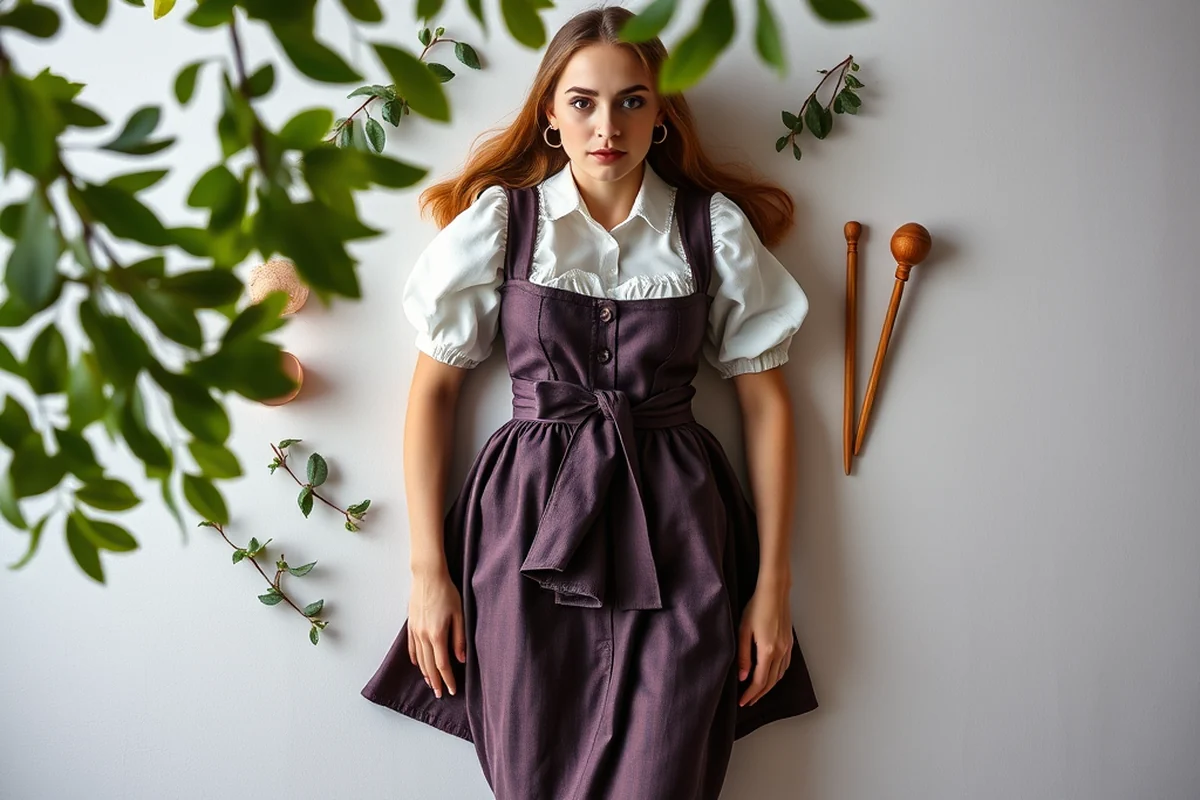
The dirndl dress has a rich history that dates back to the 18th century, when it was first worn by peasant women in Bavaria. It was a practical garment designed to withstand the demands of daily life, including farming, cooking, and housework. I’ve read that the word 'dirndl' itself is derived from the German word 'dirn,' which means 'maid' or 'girl,' highlighting its connection to women of lower social classes during that time.
Over the centuries, the dirndl evolved into a more refined garment, and by the 19th century, it had become a fashion staple among the upper classes in Bavaria. The design was modified to include more embellishments, such as lace, embroidery, and rich fabrics. I’ve seen historical photos of dirndls worn by women during royal events, where they were often paired with corsets and high-collared blouses.
Today, the dirndl is a symbol of Bavarian culture and is worn by people of all social classes. It’s no longer just a peasant dress—it’s a piece of clothing that represents heritage, tradition, and pride. I’ve even attended a festival in Munich where thousands of women wore dirndls, and the sight was both breathtaking and deeply symbolic.
History is not just in books—it’s in the fabric of our clothing.
Related: Black lace lingerie outfit
How to Style a German Dirndl Dress
Styling a German dirndl dress is all about finding the right balance between tradition and modernity. For a festival or traditional event, I recommend pairing the dress with a matching blouse, an apron, and a belt. These accessories help to complete the look and add a touch of elegance. I’ve worn a dirndl with a simple black blouse and a red apron to a local festival, and it was both comfortable and eye-catching.
For a more casual look, you can skip the apron and go for a lightweight blouse and a pair of simple shoes. I’ve found that a dirndl can be worn to a picnic or even a casual dinner with friends if styled correctly. The key is to keep the accessories minimal and focus on the dress itself. I’ve worn a dirndl with a white blouse and a pair of flat sandals, and it was perfect for a relaxed day out.
For a more formal event, you can add a blazer or a shawl to the dress. I’ve worn a dirndl with a tailored blazer to a wedding, and it was the perfect blend of traditional and modern. The versatility of the dirndl makes it a great option for a wide range of occasions, from casual to formal.
A wide belt can help define your waist and add structure to the dress. Choose a belt that complements the color of your dirndl.
“I still remember the first time I walked into a traditional Bavarian village, the air thick with the scent of pretzels and the hum of…”— Hemlonger editors
Related: What is the best store bought caesar dressing
Where to Buy a German Dirndl Dress
If you're looking to buy a German dirndl dress, there are several options available. In Bavaria, you can find them at local boutiques and specialty shops that sell traditional clothing. I’ve shopped at a few stores in Munich and found that the quality of locally made dirndls is often superior to those sold online. These stores often offer a range of styles, from classic to modern.
For those who can’t travel to Bavaria, there are also online retailers that specialize in traditional German clothing. I’ve ordered a dirndl from a few online stores and found that the experience can be just as good as shopping in person. Be sure to read reviews and check the fabric quality before making a purchase. I’ve noticed that some online stores sell dirndls made from lower-quality materials that may not hold up well over time.
Another option is to purchase a dirndl dress from a local craft fair or market. I’ve found some amazing pieces at local markets in Germany, where artisans sell handmade dirndls. These are often more expensive, but the quality and craftsmanship are unbeatable. Whether you choose to buy online or locally, there are plenty of options available to suit your style and budget.
Related: White lace lingerie set
How to Care for Your German Dirndl Dress
Caring for a German dirndl dress requires a bit of attention to detail, but it’s not overly complicated. I’ve learned that most dirndls are made from natural fabrics like wool or cotton, which can be sensitive to harsh detergents or high heat. It’s best to hand-wash the dress or use a gentle cycle in the washing machine.
When drying, it’s important to avoid direct sunlight, as this can cause the fabric to fade or shrink. I’ve noticed that some dirndls can be tumble-dried on a low heat setting, but it’s safer to air-dry them if possible. I’ve found that hanging the dress to dry in a shaded area is the best way to preserve the fabric and color.
If your dirndl has any delicate embellishments or embroidery, it’s best to take it to a professional cleaner. I’ve had a few dirndls cleaned by a local tailor, and the results were incredible. With proper care, a dirndl can last for years and remain in excellent condition.
Related: Black lace lingerie set
The Symbolism Behind the Dirndl Dress
The German dirndl dress is not just a piece of clothing; it’s a symbol of Bavarian culture and identity. I’ve seen it worn at festivals, weddings, and even in everyday life by women from all walks of life. It represents a deep connection to tradition and a sense of pride in one’s heritage.
For many Bavarian women, the dirndl is a way to honor their roots and keep their culture alive. I’ve spoken to several women who wear dirndls regularly, and they all express a sense of pride in their choice. Whether it’s for a festival or a simple day out, the dirndl is a way for them to show their connection to their homeland.
The dirndl also serves as a reminder of the importance of tradition in Bavarian society. It’s a garment that has stood the test of time and continues to be worn with pride. I’ve found that the dirndl is not just a fashion statement—it’s a way of expressing identity and belonging.
Tradition is not just about the past—it’s about how we choose to carry it into the future.
Related: What is in bridal makeup kit
The Modern Adaptation of the Dirndl Dress
Modern adaptations of the German dirndl dress have made it more versatile and accessible to a wider audience. I’ve seen designers create contemporary versions of the dirndl that are both stylish and practical. These modern interpretations often include lighter fabrics, minimalist designs, and more neutral color palettes.
One of the most significant changes in modern dirndls is the use of different fabrics. Traditional dirndls were often made from wool or cotton, but today, you can find them in a variety of materials, including silk, linen, and even synthetic blends. I’ve tried a few modern dirndls made from lighter fabrics and found them to be more comfortable, especially in warmer weather.
Despite these changes, the core design of the dirndl remains the same. The fitted bodice, full skirt, and apron-like blouse are still essential elements. I’ve found that modern dirndls are just as elegant and well-crafted as their traditional counterparts. Whether you choose a classic or modern version, the dirndl is a timeless piece that continues to be loved by many.
💰 Budget-Friendly Dirndl
A more affordable version of the dirndl made from lightweight fabrics, perfect for those who want to try the style without the cost.
💼 Workwear Dirndl
A modern, professional take on the dirndl, designed for office wear with a tailored fit and neutral color palette.
👗 Casual Dirndl
A relaxed version of the dirndl, ideal for everyday wear with a simpler design and fewer embellishments.
👗 Petite/Tall Adaptation
A dirndl tailored for petite or tall women, ensuring a perfect fit and proportion for all body types.
👜 Capsule Dirndl
A stylish, versatile dirndl that can be styled in multiple ways, making it a great addition to any capsule wardrobe.
| The mistake | Why it happens | The fix |
|---|---|---|
| Choosing the wrong fabric for your climate. | Wearing a heavy wool dirndl in the summer can be uncomfortable and may cause the fabric to fade or shrink if not cared for properly. | Opt for lighter fabrics like cotton or linen when wearing a dirndl in warmer weather. |
| Ignoring the importance of proper sizing. | A dirndl that is too tight or too loose can affect both comfort and appearance. | Always measure yourself and compare the measurements to the manufacturer’s size chart before purchasing. |
| Neglecting proper care and maintenance. | Improper care can lead to fabric damage, fading, or shrinkage, which can shorten the lifespan of your dirndl. | |
| Not considering the occasion when choosing a dirndl. | Wearing a traditional dirndl to a casual event without any modifications can make you stand out in an uncomfortable way. | Choose a more modern or casual version of the dirndl for everyday wear and save the traditional ones for festivals or special events. |
What Is A German Dirndl Dress
Common Questions
Can I wear a dirndl dress to a formal event?
How do I choose the right size for a dirndl dress?
Are there different styles of dirndl dresses?
Can I wear a dirndl dress in the summer?
References
- Communicative Competence (Languages); Cross Cultural - ERIC (files.eric.ed.gov)
- Folk Art and Ancestry: German Jewish Creation through Time (libjournals.unca.edu)
Cite this guide
Hemlonger (2026). What Is A German Dirndl Dress. https://hemlonger.com/what-is-a-german-dirndl-dress/
Feel free to cite or share this guide.