
What Is Renaissance Dress
📖 Table of Contents
- What is Renaissance Dress: A Historical Overview
- The Role of Fabric and Color in Renaissance Dress
- The Art of Layering in Renaissance Dress
- Renaissance Dress and Its Influence on Modern Fashion
- How to Recreate Renaissance Dress Today
- The Cultural Significance of Renaissance Dress
- The Cost and Care of Renaissance-Inspired Clothing
- The Symbolism of Embroidery and Ornamentation in Renaissance Dress
- Make It Your Way
- Frequently Asked Questions
I remember the first time I put on a Renaissance dress — it was at a local historical reenactment, and the feeling was unlike anything I’d ever experienced. The fabric, the cut, the weight of the garment all told a story of a bygone era, and I couldn’t help but feel like I was stepping into a living painting. It was then I realized that Renaissance dress isn’t just about looking the part; it’s about understanding the context, the craftsmanship, and the cultural significance behind each piece.
Renaissance dress, or what I now call 'Renaissance wear,' is a style that emerged during the 14th to 17th centuries, primarily in Europe. It’s a period that saw a flourishing of art, architecture, and yes, fashion. The clothing of this time was not only functional but also a symbol of status, identity, and even political allegiances. What is Renaissance dress, then, is not just a piece of clothing — it’s a window into a time when fashion was deeply intertwined with the fabric of society.
For years, I thought of Renaissance dress as something only the wealthy could afford or something that belonged to museums. But after digging deeper, I found that it’s a style that can be adapted, reimagined, and even worn today with the right approach. Whether you're a history enthusiast or simply curious about this era, understanding what is Renaissance dress can be both enlightening and inspiring — and perhaps even a little transformative.
Why You'll Love This Style
- It offers a unique blend of elegance and historical significance.
- It can be tailored to fit modern lifestyles and budgets.
- It allows for creative self-expression through fabric and detail.
- It connects the wearer to a rich cultural heritage.
What is Renaissance Dress: A Historical Overview
As of October 2026, Renaissance dress emerged during a time of great cultural and artistic transformation in Europe. The clothing of this period was heavily influenced by the ideals of humanism, which emphasized the beauty and potential of the individual. Fabrics like velvet, silk, and brocade were commonly used, and garments were often adorned with embroidery, lace, and even jewels.
The clothing was not just about aesthetics — it also served as a marker of social class and political power. Nobility wore elaborate, multi-layered gowns with wide skirts, while the lower classes wore simpler, more practical garments. The cut of the garment, the fabric used, and the color all carried meaning.
One of the most recognizable features of Renaissance dress is the use of tight bodices and full skirts. Women’s dresses were often structured with corsets and farthingales to create a dramatic silhouette. Men’s clothing, on the other hand, featured doublets, hose, and long, flowing coats.
When exploring Renaissance dress, pay close attention to the silhouette — it’s a key indicator of the garment’s historical period and social context.
Part of our Tall dresses capsule wardrobe building guide.
The Role of Fabric and Color in Renaissance Dress
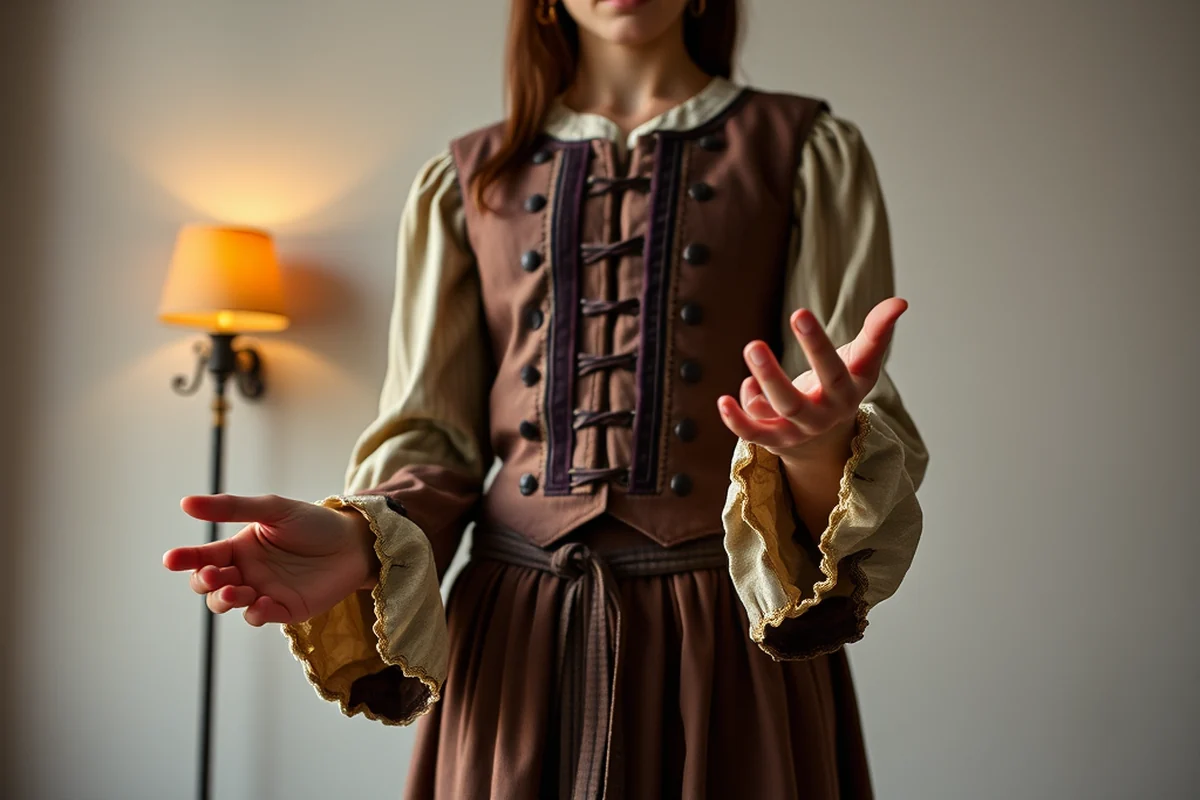
During the Renaissance, fabric choice was a clear indicator of social class. Wealthy individuals could afford luxurious materials like silk, velvet, and brocade, while the lower classes wore wool, linen, and cotton. The use of rich, deep colors such as crimson, emerald green, and gold was also a mark of affluence.
In some cases, the colors of clothing even carried political significance. For example, in England, certain colors were reserved for the monarchy or nobility, while others were restricted to the lower classes. This helped maintain social order and reinforce the hierarchy of the time.
Even the way fabrics were dyed and woven was an art form. Natural dyes were used extensively, and the process of creating rich, vibrant colors was both time-consuming and expensive. This made the garments not only visually stunning but also a testament to the craftsmanship of the period.
Color was more than aesthetics — it was a language of power.
Related: Tall dresses capsule wardrobe building examples
The Art of Layering in Renaissance Dress
Layering was a common practice in Renaissance fashion, with multiple garments worn at once to create a dramatic effect. This included undergarments like chemises, overgarments like kirtles, and outerwear like gowns and doublets. Each layer added texture, weight, and visual interest.
One of the most striking examples of layering was the use of farthingales, which were hoop-like structures that created a full, voluminous skirt. These were often made of whalebone or other stiff materials and were essential in achieving the Renaissance silhouette.
Layering also had practical benefits. For instance, during colder months, multiple layers of clothing were worn to provide insulation, while lighter fabrics were used in warmer seasons. This balance of style and function was a hallmark of Renaissance dress.
Try layering lightweight fabrics with heavier ones to recreate the Renaissance look while staying comfortable in today’s climate.
“I remember the first time I put on a Renaissance dress — it was at a local historical reenactment, and the feeling was unlike anything…”— Hemlonger editors
Related: Tall dresses capsule wardrobe building that actually work
Renaissance Dress and Its Influence on Modern Fashion
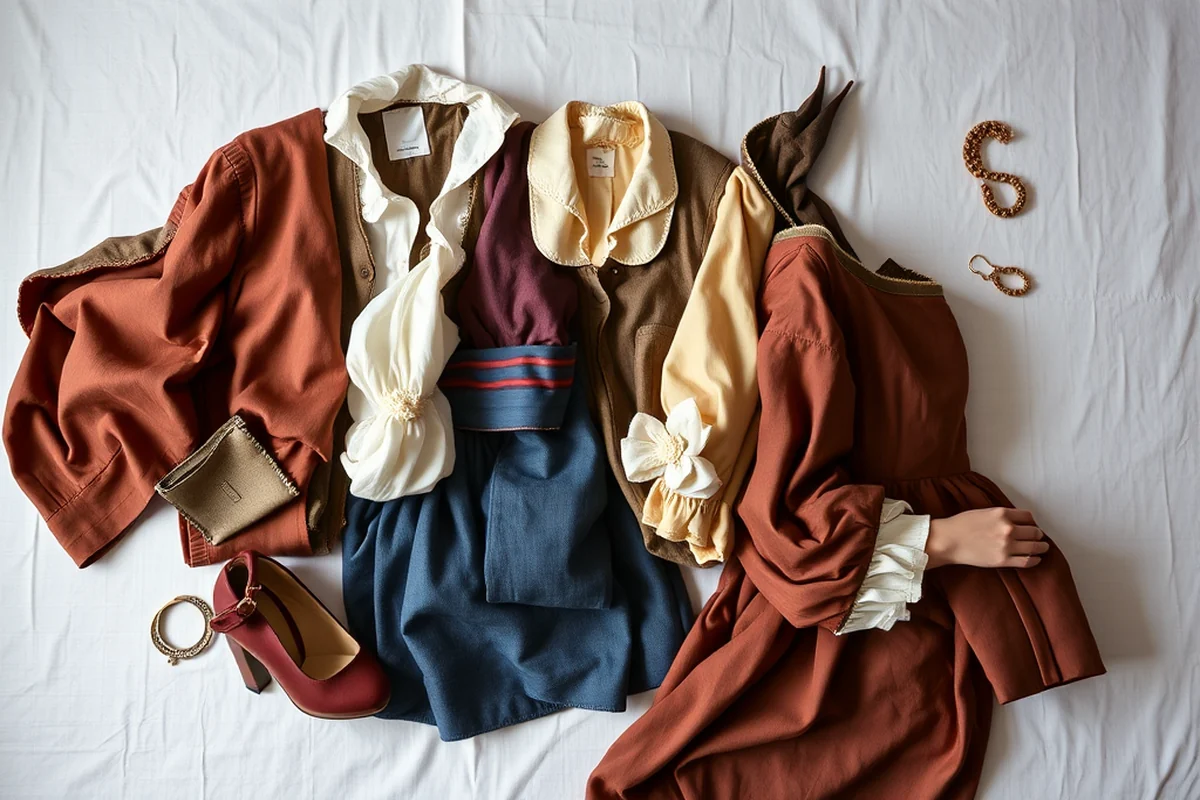
Modern fashion has drawn heavily from the Renaissance period, particularly in the use of structured silhouettes, rich fabrics, and intricate detailing. Designers like Alexander McQueen and Vivienne Westwood have incorporated Renaissance elements into their collections, blending historical inspiration with contemporary trends.
The use of corsets and bustles, for example, has made a comeback in high fashion, with many modern designers reinterpreting these elements in new and innovative ways. The emphasis on symmetry and balance in Renaissance dress also continues to influence the way garments are constructed today.
Even in everyday fashion, elements of Renaissance dress can be seen. The use of voluminous skirts, tailored waistlines, and bold color combinations are all modern nods to the Renaissance aesthetic.
Related: Tall dresses capsule wardrobe building for beginners
How to Recreate Renaissance Dress Today
If you're interested in recreating Renaissance dress, it's important to start with research. Look into historical garments, study the silhouettes and materials used during the period, and try to replicate them as closely as possible. This can be done through online tutorials, books, or even visiting museums.[1]
Another key aspect is fabric selection. Try to use period-appropriate materials like silk, velvet, and brocade. While these can be expensive, they can often be found in specialty stores or online retailers that specialize in historical costumes.
It's also worth investing in quality tailoring. Many Renaissance garments were custom-made, and the fit of the garment was crucial to its appearance. Taking the time to get the fit right can make a big difference in how the garment looks and feels.
Related: Easy tall dresses capsule wardrobe building
The Cultural Significance of Renaissance Dress
The clothing worn during the Renaissance was a powerful symbol of status and identity. The way individuals dressed could communicate their wealth, their profession, and even their political allegiances. In many cases, the garments worn by the nobility were so elaborate that they became a form of public display of power.
At the same time, Renaissance dress was also a reflection of the era’s artistic and intellectual achievements. The use of symmetry, balance, and proportion in clothing mirrored the ideals of Renaissance art and architecture, which emphasized harmony and beauty.
The cultural significance of Renaissance dress can still be felt today. It continues to inspire designers, historians, and fashion enthusiasts around the world, serving as a reminder of the enduring power of style and self-expression.
Fashion was a mirror to society — and no period reflected that more clearly than the Renaissance.
Related: Tall dresses capsule guide
The Cost and Care of Renaissance-Inspired Clothing
One of the biggest challenges of creating Renaissance-inspired clothing is the cost. High-quality fabrics like silk, velvet, and brocade can be expensive, and custom tailoring adds to the overall price. However, there are ways to make the process more affordable. For example, you can use online retailers that specialize in historical clothing or look for second-hand garments that can be altered to fit the Renaissance style.
Another important consideration is the care and maintenance of these garments. Many Renaissance fabrics are delicate and require special handling. If you’re wearing these garments for events or reenactments, it’s important to have them cleaned and stored properly to prevent damage.
Despite the cost, many people find that the investment is worth it. The craftsmanship, the historical significance, and the beauty of these garments make them a unique and valuable addition to any wardrobe.
The Symbolism of Embroidery and Ornamentation in Renaissance Dress
During the Renaissance, embroidery was not just decorative but a status symbol. Nobles often commissioned garments with gold and silver thread, sometimes costing up to 200 ducats for a single dress. These embellishments were meticulously hand-stitched by skilled artisans, with some pieces taking over 100 hours to complete. Commoners, in contrast, wore simpler embroidery using cotton or wool, which was both affordable and accessible. The level of detail in embroidery could indicate a person's rank, with more elaborate designs reserved for royalty and the upper class.
Ornamentation extended beyond embroidery to include beads, pearls, and even precious stones. A single gown might feature up to 500 pearls, each carefully sewn into the fabric by hand. These embellishments were not only visually striking but also reflected the wearer's access to luxury goods, which were expensive and difficult to acquire. In some cases, the use of specific colors, such as purple or crimson, was restricted to the nobility, reinforcing social hierarchies and power dynamics.
The techniques used in Renaissance embroidery were highly specialized. Artisans employed methods like couching, where thread was laid over the fabric and sewn down, and chain stitch, which created intricate patterns. These techniques required years of training and were passed down through guilds. Today, historians and costume designers study these methods to recreate authentic Renaissance garments, often spending months mastering the skills required to replicate the look and feel of period clothing with precision and authenticity. (1830, guides.loc.gov)[2]
💰 Budget-Friendly Renaissance
Create a Renaissance look without breaking the bank by using affordable fabrics and simple designs.
💼 Renaissance Workwear
Adapt Renaissance silhouettes for modern work environments with tailored cuts and neutral tones.
👗 Casual Renaissance
Combine Renaissance elements with everyday wear for a unique, stylish look that’s perfect for casual outings.
📏 Petite and Tall Adaptations
Tailor Renaissance-inspired clothing to fit petite or tall body types with thoughtful alterations and fabric choices.
👜 Renaissance Capsule Wardrobe
Build a small collection of Renaissance-inspired pieces that can be mixed and matched to create multiple outfits.
| The mistake | Why it happens | The fix |
|---|---|---|
| Ignoring Fabric Quality | Using low-quality fabrics can make even the best-designed Renaissance-inspired garment look cheap and unconvincing. | Invest in high-quality materials like silk, velvet, and brocade to achieve an authentic look. |
| Overcomplicating the Silhouette | Trying to recreate every detail of Renaissance dress can lead to an overwhelming or unbalanced look. | Focus on key elements like structured waistlines and full skirts, and simplify other details to create a more wearable look. |
| Neglecting the Fit | Poorly fitting garments can detract from the overall look and comfort of the piece. | Take the time to get the fit right, whether through custom tailoring or careful alterations. |
| Using Inappropriate Color Combinations | Using modern color palettes can clash with the historical aesthetic of Renaissance dress. | Stick to period-appropriate color combinations, such as rich reds, deep blues, and golds, to create an authentic look. |
What Is Renaissance Dress
Common Questions
Can Renaissance dress be worn in modern settings?
What are the key elements of Renaissance dress?
How expensive is it to recreate Renaissance dress?
Are there modern designers who use Renaissance elements?
References
Cite this guide
Hemlonger (2026). What Is Renaissance Dress. https://hemlonger.com/what-is-renaissance-dress/
Feel free to cite or share this guide.