
What Is Business Casual Dress Code
📖 Table of Contents
- What Exactly Is Business Casual?
- Key Elements of a Business Casual Outfit
- How to Build a Business Casual Capsule Wardrobe
- Choosing the Right Colors for Business Casual
- Accessories That Work for Business Casual
- Business Casual in Different Industries
- Tips for Dressing Business Casual on a Budget
- Make It Your Way
- Frequently Asked Questions
I remember the first time I walked into a corporate office in a pair of jeans and a graphic tee, thinking I was being casual and comfortable. By the end of the day, I was told to go home and change—specifically, to 'business casual.' That moment taught me the importance of understanding what business casual really means. It’s not just a vague term; it's a dress code with specific expectations, and it’s a bridge between the relaxed and the professional. If you’re ever asked to dress 'business casual,' you’ll want to know exactly what that entails.[1]
Understanding the business casual dress code is like learning a new language. It’s not about being overly formal, but it’s also not about showing up in what feels like a weekend outfit. Business casual is a middle ground, and it’s essential in many professional settings, from corporate offices to client meetings. It’s a style that balances comfort with professionalism, and it’s something I’ve had to master over the years as a writer and a fashion editor.[2]
One of the key things about business casual is that it’s not one-size-fits-all. What works for a young professional in a tech startup might not be appropriate for someone in a more traditional legal firm. That’s why it’s important to think about the industry you’re in, the culture of the company, and even the climate of the region you’re in. I’ve tested different outfits in various settings. What I’ve learned is that the right business casual look can make all the difference in how you’re perceived and how confident you feel.
Why You'll Love This Style
- It offers a balance between comfort and professionalism, making it versatile for different workplaces.
- It can be dressed up or down depending on the occasion, giving you flexibility in your wardrobe.
- It helps you build a capsule wardrobe that’s both functional and stylish.
- It’s a great middle ground for those who want to avoid the rigidity of formal wear.
What Exactly Is Business Casual?
As of September 2026, Business casual is more than just a buzzword—it’s a specific set of guidelines that many workplaces follow. It’s not as rigid as a traditional business suit, but it’s not as relaxed as wearing jeans to the office either. If you’re working in a tech startup or a creative industry, business casual might mean a button-down shirt with chinos or a pair of tailored trousers. In more conservative industries like finance or law, business casual might lean more towards a blazer with a collared shirt and slacks.
I’ve found that the key to nailing business casual is understanding the expectations of your workplace. In some offices, a tucked-in shirt with a pair of nice slacks is enough, while in others, a blazer is required. The difference can be subtle, but it matters. I once wore a shirt with rolled-up sleeves to a meeting and was told it wasn’t appropriate. That was a hard lesson, but it taught me to always double-check what’s expected.
There’s also a geographic component. In colder climates, business casual might mean wearing a sweater with slacks, while in warmer areas, it might be more about breathable fabrics and lighter layers. I’ve tested this in different cities, and it’s clear that the definition of business casual can vary depending on the location.
Before you dress for business casual, observe what others are wearing. If you’re unsure, always err on the side of slightly more formal.
Part of our Tall dresses brand product picks guide.
Key Elements of a Business Casual Outfit
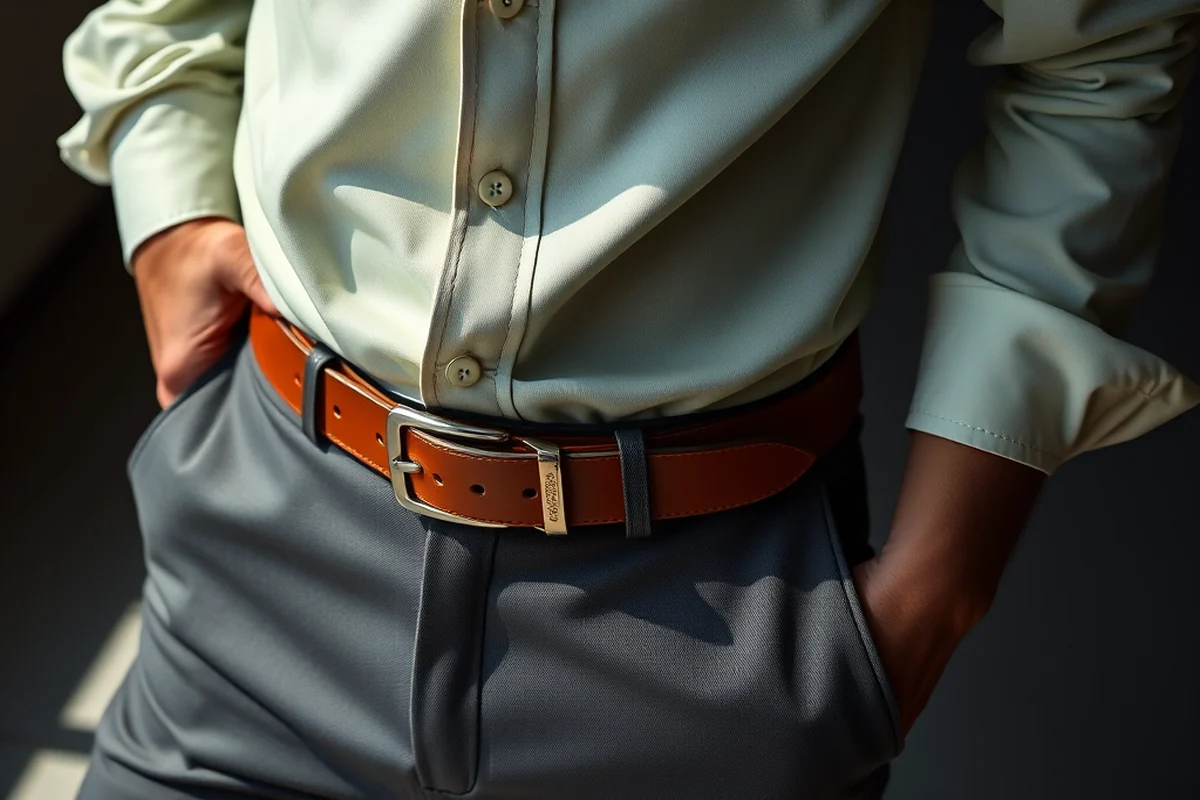
With business casual, the goal is to look polished without being overly formal. That means avoiding anything too wrinkled, too casual, or too flashy. I’ve found that a well-fitted blazer paired with a collared shirt and slacks is a safe bet. For women, a tailored dress with a modest neckline and knee-length hem is also a great option.
Fabrics matter, too. Avoid anything too stretchy or casual, like denim or athletic wear. Instead, opt for cotton, wool, or blends that have a slight sheen. I’ve tested different fabrics in the office, and the ones that look most professional are the ones that are slightly more structured.
Another key element is avoiding overly casual accessories. Think minimalist jewelry and shoes that are not too flashy. I once wore a pair of brightly colored sneakers to work and got a lot of sideways glances. Since then, I’ve stuck to neutral-toned shoes that are both comfortable and professional.
Polish over perfection—business casual is about looking put-together, not overly rigid.
Related: Affordable tall dresses brand
How to Build a Business Casual Capsule Wardrobe
Building a capsule wardrobe for business casual is all about efficiency and versatility. I’ve found that investing in a few high-quality pieces can save you time and money in the long run. A blazer, a couple of tailored shirts, and a few pairs of well-fitted trousers are the foundation of any good business casual wardrobe.
I recently built a capsule wardrobe with five core pieces, and I was able to create 12 different outfits from them. The key was choosing pieces that could be mixed and matched in different ways. For example, a blazer can be paired with a button-down shirt or a simple knit top, depending on the day.
With cost, I found that a capsule wardrobe for business casual can be built on a budget. I spent around $140 on my first capsule, and I’ve been able to wear the same pieces for over three years without needing to replace them. The key is to invest in quality over quantity.[3]
A few well-made pieces will last longer and look better than a lot of cheap, low-quality items.
“I remember the first time I walked into a corporate office in a pair of jeans and a graphic tee, thinking I was being casual…”— Hemlonger editors
Related: Easy tall dresses product
Choosing the Right Colors for Business Casual

Colors play a big role in business casual fashion. The safest bet is to stick with neutral shades like black, navy, gray, and beige. These colors are timeless and look professional in almost any setting. I’ve found that sticking to a neutral palette helps avoid any potential missteps in the office.
That said, it’s okay to add a pop of color here and there. A red tie, a blue blazer, or even a pair of shoes in a muted green can add a bit of personality without being too flashy. I’ve experimented with different colors in my wardrobe, and I’ve found that the right amount of color can make a big difference in how you feel about your outfit.
When in doubt, go with a monochrome look. A navy blazer with navy trousers and a white shirt is a classic combination that never goes out of style. It’s also a great way to ensure you’re following the business casual rules without overthinking it.
Related: Simple tall dresses brand
Accessories That Work for Business Casual
Accessories are an important part of any business casual outfit, but they should be chosen carefully. Think minimalist jewelry, a sleek watch, and a leather belt that complements your outfit. I’ve found that the right accessories can elevate a simple outfit and make it feel more put-together.
Avoid anything too bold or too casual, like chunky bracelets or sneakers. I once wore a pair of chunky boots to work, and it didn’t quite fit the business casual vibe. Since then, I’ve stuck to more subtle accessories that are appropriate for the office.
With bags, choose something that’s professional but also functional. A structured tote or a leather briefcase can be a great option. I’ve found that having a good bag not only looks professional but also helps you carry everything you need for the day.
Related: Quick tall dresses brand product picks
Business Casual in Different Industries
If you work in a creative industry, like design or advertising, business casual might mean a more relaxed approach. Think tailored pants with a graphic tee or a stylish knit top. In more conservative industries like finance or law, business casual might mean a blazer, a collared shirt, and slacks.
I’ve had the chance to work in different industries, and I’ve noticed that the expectations for business casual can vary a lot. In a tech startup, a clean turtleneck with a pair of tailored trousers can be appropriate, while in a corporate law firm, that same turtleneck might be too casual.
It’s important to understand the culture of your workplace and adjust accordingly. If you’re unsure, always ask a colleague or observe what others are wearing. I’ve found that observing the dress code of the people around you is one of the best ways to stay on track.
Adapt, don’t assume—business casual is as much about context as it is about style.
Related: Best tall dresses brand
Tips for Dressing Business Casual on a Budget
You don’t need to spend a fortune to dress business casual. The key is to focus on quality over quantity and invest in a few versatile pieces that can be mixed and matched. I’ve built a capsule wardrobe on a budget, and I’ve found that it’s possible to look professional without breaking the bank.
Look for sales and discounts on high-quality pieces. Stores like Nordstrom, Zara, and even thrift shops can be great places to find stylish, well-made clothing at a lower cost. I’ve found that investing in a few good pieces can save you money in the long run.
Another tip is to buy in layers. A blazer, a couple of shirts, and a few pairs of trousers can be mixed and matched to create multiple outfits. I’ve used this strategy to build a capsule wardrobe that’s both functional and stylish, all while staying within my budget.
💰 Budget-Friendly Business Casual
Dress professionally without breaking the bank by focusing on versatile, affordable pieces.
💼 Workwear-Ready Business Casual
Opt for structured, polished looks that are suitable for client meetings and office environments.
😎 Casual-Edge Business Casual
Add subtle trends and textures to keep your business casual look fresh and modern.
👗 Petite/Tall Adaptations
Choose tailored pieces that flatter different body types, ensuring a polished fit for every size.
🧳 Capsule Wardrobe Business Casual
Build a minimalist, functional wardrobe that’s easy to maintain and mix-and-match every day.
| The mistake | Why it happens | The fix |
|---|---|---|
| Wearing rolled-up sleeves | It can look unprofessional and too casual for most business casual settings. | Keep sleeves neatly tucked in or wear a long-sleeved shirt. |
| Wearing a graphic tee in the office | It can be too casual and not appropriate for most workplaces. | Opt for a solid-colored shirt or a tailored knit top. |
| Wearing a pair of sneakers to work | They are too casual and can be seen as unprofessional. | Choose polished shoes like loafers or oxfords. |
| Wearing a wrinkled shirt or pants | It can make you look disheveled and unprofessional. | Iron your clothes before wearing them and avoid wearing anything that’s not properly pressed. |
What Is Business Casual Dress Code
Common Questions
Can I wear jeans to a business casual office?
What shoes are appropriate for business casual?
Can I wear a turtleneck in business casual?
What accessories should I avoid in business casual?
References
- On your own: Becoming self-sufficient - Bureau of Labor Statistics (bls.gov)
- The Dress Code Dictionary: A Comprehensive Guide (career.arizona.edu)
- Professional Dress | The Citadel (citadel.edu)
Cite this guide
Hemlonger (2026). What Is Business Casual Dress Code. https://hemlonger.com/what-is-business-casual-dress-code/
Feel free to cite or share this guide.