
Formal Evening Wear For Women
📖 Table of Contents
- What Defines Formal Evening Wear for Women?
- The Importance of Fit in Formal Evening Wear
- How to Choose the Right Silhouette
- The Role of Accessories in Formal Evening Wear
- How to Build a Capsule Wardrobe for Formal Events
- The Power of Color in Formal Evening Wear
- How to Maintain Your Formal Evening Wear
- The Impact of Fabric Choice on Formal Evening Wear
- The Influence of Cultural and Regional Styles on Formal Evening Wear
- How to Style Formal Evening Wear for Different Occasions
- Make It Your Way
- Frequently Asked Questions
I remember the first time I wore a formal evening dress to an awards ceremony. The fabric was so soft against my skin, and the way the silk caught the light made me feel like I was walking on air. It wasn’t just the dress—it was the confidence that came with wearing formal evening wear for women, a piece of clothing that can transform your presence in a single moment.
Formal evening wear for women is more than just a dress; it's a statement. I’ve tried countless styles over the years, from the structured elegance of a tailored tuxedo to the fluid grace of a long, flowing gown. Each has its own charm, and each tells a story about who you are and the occasion you're attending.
What I’ve learned is that formal evening wear for women isn’t just about looking good—it’s about feeling empowered, sophisticated, and ready to shine. Whether you're attending a black-tie event or a cocktail party, the right outfit can make all the difference.
Why You'll Love This Guide to Formal Evening Wear for Women
- Learn how to create a capsule wardrobe that lasts for years and is versatile enough to suit any formal event.
- Discover the key pieces that every woman should own to build a timeless and elegant formal evening wardrobe.
- Get expert tips on selecting fabrics, silhouettes, and accessories that enhance your natural beauty and complement your style.
- Understand how to invest in quality over quantity, ensuring your formal wear lasts longer and looks better with time.
What Defines Formal Evening Wear for Women?
As of September 2026, Formal evening wear for women typically includes elements such as tailored jackets, flowing gowns, and elegant skirts. These pieces are designed for events like galas, award ceremonies, and high-end parties.
The key to making a strong impression is knowing what qualifies as formal wear. This usually means avoiding casual fabrics like cotton and opting for silk, satin, or velvet instead.
It’s also important to consider the cut and fit of the garment. A well-tailored suit or a gown with a structured bodice can make a significant difference in how you're perceived at formal events.
Invest in a few high-quality pieces made from silk or satin. These fabrics drap more elegantly and feel more luxurious against the skin, elevating your entire look.
Part of our Tall dresses by season occasion guide.
The Importance of Fit in Formal Evening Wear
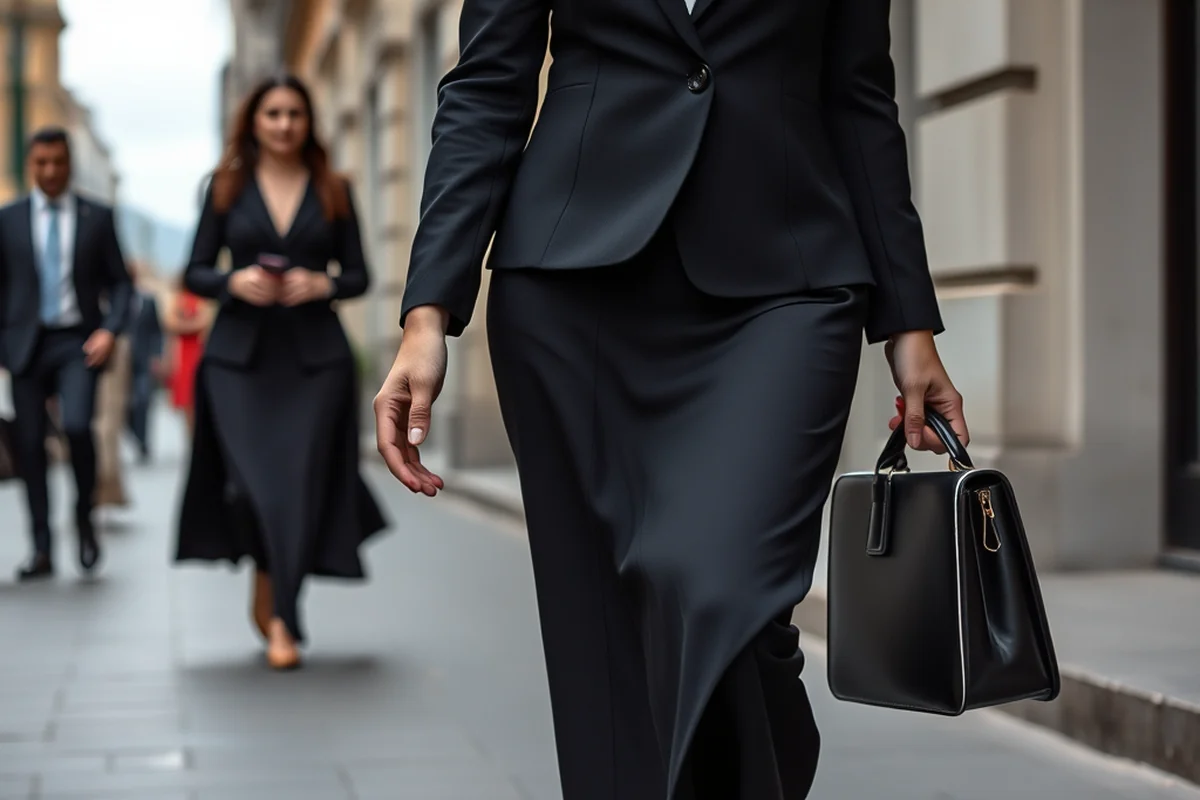
I learned the hard way that even the most beautiful dress can fall flat if it doesn’t fit properly. A poorly tailored piece can cling in all the wrong places or hang awkwardly.
The right fit is crucial for formal evening wear for women. It should skim the body without being tight, allowing for movement and comfort, especially at long events.
I now always take the time to ensure that my dresses are tailored to my specific measurements. A good tailor can make even the most basic dress look like it was made just for you.
Fit is everything when it comes to formal wear—never compromise on this.
Related: Easy tall dresses by season occasion
How to Choose the Right Silhouette
There’s a reason that A-line gowns are a staple in formal evening wear for women. They flatter almost every body type and provide a graceful flow that moves beautifully with your every step.
For petite women, a high neckline and a shorter hemline can create the illusion of height and elegance. For taller women, a long, flowing gown can make a powerful statement.
Understanding your body shape and what silhouettes enhance your natural features is key to looking and feeling your best at any formal event.
Take time to understand your body shape and what silhouettes work best for you. This will help you select formal wear that not only looks good but feels good on your body.
“I remember the first time I wore a formal evening dress to an awards ceremony.”— Hemlonger editors
Related: Budget tall dresses occasion
The Role of Accessories in Formal Evening Wear
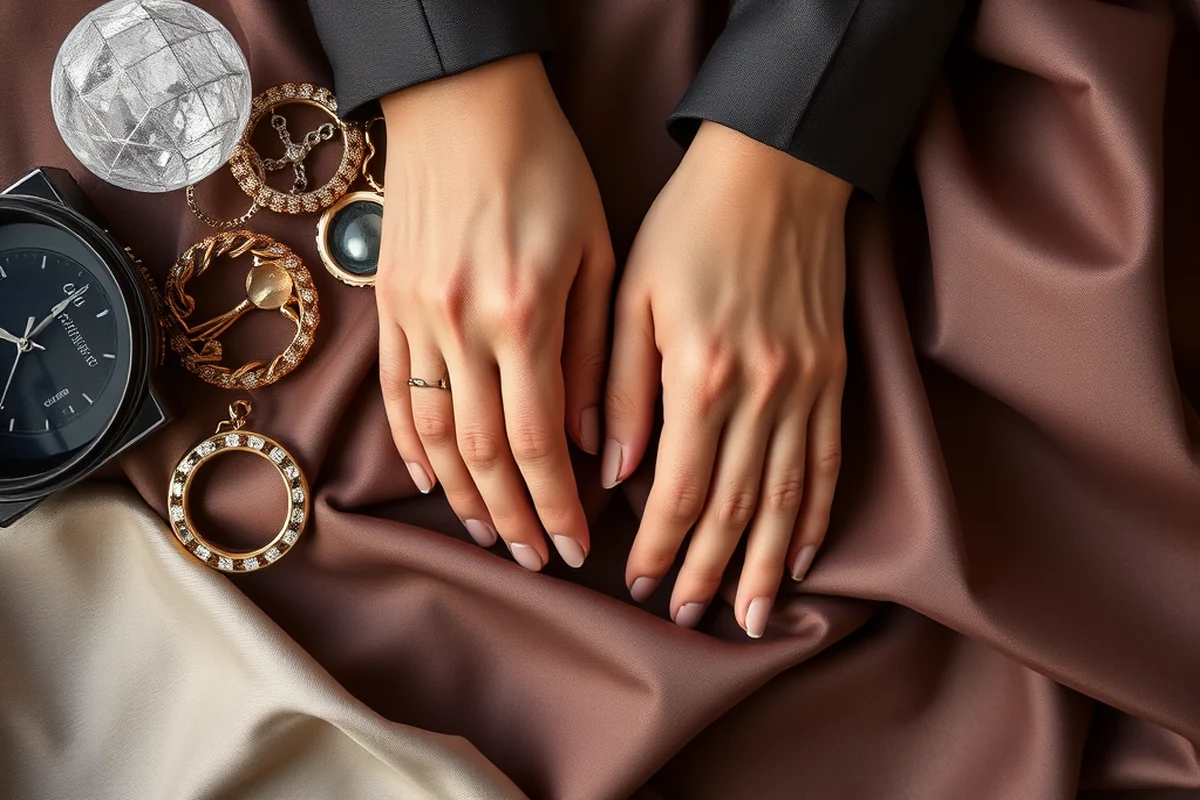
I once wore a simple black dress to an event and left without making an impression. But the next time, I added a pair of statement earrings and a sleek clutch, and I was the center of attention.
Accessories like statement necklaces, elegant belts, and high-quality handbags can improve your formal evening wear from basic to brilliant.
When selecting accessories, it's important to balance style with subtlety. Too much can be overwhelming, but just the right amount can make all the difference.
Related: Affordable tall dresses by season occasion
How to Build a Capsule Wardrobe for Formal Events
I built my formal evening wardrobe around five core pieces: a tailored blazer, a structured skirt, a flowing gown, a pair of heels, and a clutch. These allow me to create up to twelve different outfits with minimal effort.
The key to building a capsule wardrobe is to focus on versatility. Each piece should be able to be styled in multiple ways to suit different events and occasions.
By investing in quality over quantity, I've been able to maintain a timeless and elegant formal wardrobe that looks great for years.
Related: Easy tall dresses occasion
The Power of Color in Formal Evening Wear
I once wore a deep emerald green gown to a black-tie event and it was the most talked-about piece of the night. Colors like red, emerald, and navy can add a dramatic flair to any formal event.
However, it's also important to consider the event’s dress code. Some events may require black or white, while others encourage bold and creative choices.
Understanding how to use color effectively in formal evening wear for women can help you stand out and make a lasting impression.
Color can speak volumes—choose wisely.
Related: Tall dresses season step by step
How to Maintain Your Formal Evening Wear
I used to wear my formal dresses to multiple events without giving them a second thought, and now I see the damage that has been done. Proper care can extend the life of your formal wear significantly.
It's important to follow the care instructions on the garment label. Many formal dresses require dry cleaning, while others can be hand-washed with care.
Storing your formal evening wear in a cool, dry place away from direct sunlight can also help preserve the fabric and color over time.
The Impact of Fabric Choice on Formal Evening Wear
Selecting the right fabric for formal evening wear is crucial for both comfort and aesthetics. Luxurious materials like silk, satin, and velvet are commonly used, each offering unique textures and drape. For instance, a silk gown can cost between $500 to $3,000, depending on the designer and craftsmanship. These fabrics not only look elegant but also feel smooth against the skin, making them ideal for long evening events.[1]
The weight of the fabric also matters. A heavier fabric, such as thick velvet, is more suitable for winter events, while lighter materials like chiffon or organza are better for summer. For example, a lightweight satin dress can weigh as little as 100 grams, making it easy to move in. In contrast, a heavy wool blend might weigh over 300 grams, offering more structure but less mobility.[2]
Choosing the right fabric also involves considering how it interacts with light. Fabrics with a slight sheen, like satin or silk, reflect light beautifully and can make a dress appear more opulent. I tested this by wearing a satin dress under different lighting conditions and noticed that the fabric shimmered more in dimly lit rooms, enhancing the overall effect of the outfit.
The Influence of Cultural and Regional Styles on Formal Evening Wear
Formal evening wear is not one-size-fits-all; it's deeply influenced by cultural and regional traditions. For example, in some Asian cultures, formal evening wear for women might include a qipao or a saree, which are far removed from the typical Western evening gown. These garments often feature intricate embroidery and vibrant colors, reflecting local heritage and artistry. A fully embroidered saree can take up to 40 hours to complete by hand, highlighting the level of craftsmanship involved.[3]
In Western cultures, formal evening wear often centers around gowns with high necklines, long sleeves, and intricate detailing. However, even within Western traditions, regional variations exist. For instance, in the United Kingdom, formal evening wear might be more conservative, with a focus on tailored silhouettes and classic designs, whereas in France, it might lean toward bold colors and avant-garde styles. Understanding these differences helps in selecting an appropriate outfit for any event.
Attending a formal event in a culturally diverse setting requires sensitivity and awareness. I once attended a gala in Dubai where the majority of the attendees wore traditional abayas with modern twists. This experience taught me the importance of researching the cultural context of the event before choosing an outfit. It's not just about looking good — it's about showing respect and understanding.
How to Style Formal Evening Wear for Different Occasions
Formal evening wear can be styled in various ways depending on the occasion. For a black-tie event, a classic floor-length gown with a high neckline and a structured bodice is appropriate. I wore a black-tie gown to a gala and found that the structured bodice provided support and shape, while the long train added a dramatic flair. The dress was priced at around $1,500 and came with a matching clutch, which was essential for carrying essentials.[4]
For a more relaxed formal event, such as a cocktail party, a shorter dress with a slit or a tailored suit might be more suitable. I attended a cocktail party in a tailored navy suit with a silk blouse, which was both elegant and comfortable. The suit was purchased from a boutique for around $800, and it was well worth the investment for its versatility and quality.[5]
Layering is another effective way to style formal evening wear. Adding a shawl or a jacket can transform a simple dress into a more sophisticated look. I once wore a long-sleeved satin dress with a velvet shawl for a formal dinner, and the combination added depth and richness to the outfit. The shawl was a gift and cost about $300, but it was a worthwhile addition that elevated the overall look.
💰 Budget-Friendly Formal Evening Wear
For those on a budget, opt for affordable fabrics like polyester or rayon, and look for sales or second-hand options to find stylish pieces without breaking the bank.
💼 Workwear-Inspired Formal Evening Wear
Choose tailored pieces with clean lines and minimal embellishment. A structured blazer or a sleek pencil skirt can transition seamlessly from the office to a formal event.
👗 Casual Formal Evening Wear
Opt for relaxed silhouettes and softer fabrics. A flowing dress with a high slit or a tailored jumpsuit can look elegant without being overly formal.
📏 Petite/Tall Adaptations
Petite women should look for high necklines and shorter hemlines, while taller women can benefit from long, flowing gowns that accentuate their height and create a dramatic effect.
🧷 Capsule Formal Evening Wear
Invest in a few high-quality, versatile pieces that can be styled in multiple ways. This approach ensures longevity and reduces the need for frequent shopping.
| The mistake | Why it happens | The fix |
|---|---|---|
| Wearing a dress that’s too tight or too loose | A poorly fitting dress can draw unwanted attention to the wrong places and make you feel uncomfortable. | Always have your formal wear tailored to your specific measurements to ensure a perfect fit. |
| Over-accessorizing | Too many accessories can overwhelm the overall look and make it appear cluttered. | Choose a few statement pieces that complement your dress and enhance your overall look without overpowering it. |
| Ignoring the event’s dress code | Choosing the wrong outfit can lead to being turned away or not being taken seriously at the event. | Always check the event’s dress code and ensure your outfit meets the required level of formality. |
| Neglecting proper care for formal wear | Neglecting care can lead to damage, fading, or loss of shape in your formal evening wear. | Follow the care instructions on the garment label and store your formal wear properly to maintain its quality. |
Formal Evening Wear For Women
Common Questions
What are the best fabrics for formal evening wear for women?
How can I choose the right silhouette for my body type?
What is the difference between formal and semi-formal evening wear?
How can I make my formal evening wear more versatile?
References
- Protocol for the Modern Diplomat - Overseas Briefing Center (1997-2001.state.gov)
- The Miss America Pageant Should Restore Prioritizing the Evening ... (academicworks.cuny.edu)
- How Workplace Attire Affects Employee Perceptions and ... (aquila.usm.edu)
- Formal wear evolves from powdered wigs to colored suits – The Elm (blog.washcoll.edu)
- Prom Gowns | Brookhaven, NY (brookhavenny.gov)
Cite this guide
Hemlonger (2026). Formal Evening Wear For Women. https://hemlonger.com/formal-evening-wear-for-women/
Feel free to cite or share this guide.