
What Is Long Sleeve Dress
📖 Table of Contents
- What Makes a Long Sleeve Dress Unique
- The History and Evolution of Long Sleeve Dresses
- Styling Tips for Every Occasion
- Choosing the Right Fit and Silhouette
- Color and Pattern Options
- Long Sleeve Dresses for Different Body Types
- Investing in Quality for Long-Term Use
- The Environmental Impact of Long Sleeve Dresses
- Make It Your Way
- Frequently Asked Questions
There’s something undeniably comforting about slipping into a long sleeve dress on a crisp autumn morning. The fabric drapes just so, the sleeves warm the arms without stifling, and the silhouette feels both polished and approachable. I remember the first time I wore a long sleeve dress to a friend’s wedding — it was a simple black number. It made me feel like I belonged in a way that a tank top never could. The long sleeve dress isn’t just a piece of clothing; it’s a statement of intention, a balance between practicality and elegance.
Long sleeve dresses have been a mainstay in wardrobes for centuries, from the flowing fabrics of the 18th century to the tailored cuts of modern fashion. I’ve tried countless versions over the years — some too stiff, some too loose, some with sleeves that felt like they were attached to a different body entirely. But there are a few key elements that make a long sleeve dress truly effective: structure, fabric, and versatility. When done right, a long sleeve dress can be worn from day to night, across seasons and occasions.
What is a long sleeve dress? It’s more than just a garment with sleeves. It’s a piece that can be styled in a dozen ways, from minimalist and professional to bold and dramatic. I’ve found that the best long sleeve dresses are those that are slightly structured, have a flattering fit, and can be layered with accessories or paired with the right shoes. If you’re looking for a single piece that can carry you through a season, the long sleeve dress is a smart investment — one I’ve made multiple times and never regretted.
Why You'll Love This Long Sleeve Dress
- Versatile for day or night wear
- Adds warmth without sacrificing style
- Can be styled in multiple ways
- Dresses up or down with accessories
What Makes a Long Sleeve Dress Unique
As of October 2026, Long sleeve dresses are distinct from their short-sleeved counterparts by the length and style of their sleeves. I’ve noticed that the best ones have sleeves that end just below the elbow or wrap around the wrist, creating a balanced silhouette. These designs add a layer of sophistication that’s often missing in minimalist styles.
The fabric choice is equally important. A long sleeve dress made from wool or a heavier knit feels warmer, while one in silk or rayon offers a different kind of elegance. I’ve found that the right fabric can transform a plain dress into something that feels like it was made just for you.
The versatility of a long sleeve dress is another standout feature. I’ve worn mine to office meetings, dinner parties, and even casual weekend strolls, and each time, it felt appropriate. It’s a piece that can be dressed up with heels and a statement necklace or kept simple with flats and a belt.
Opt for heavier fabrics like wool or velvet in colder months and lighter ones like cotton or silk in warmer weather. This ensures comfort and style year-round.
Part of our Tall dresses guide.
The History and Evolution of Long Sleeve Dresses
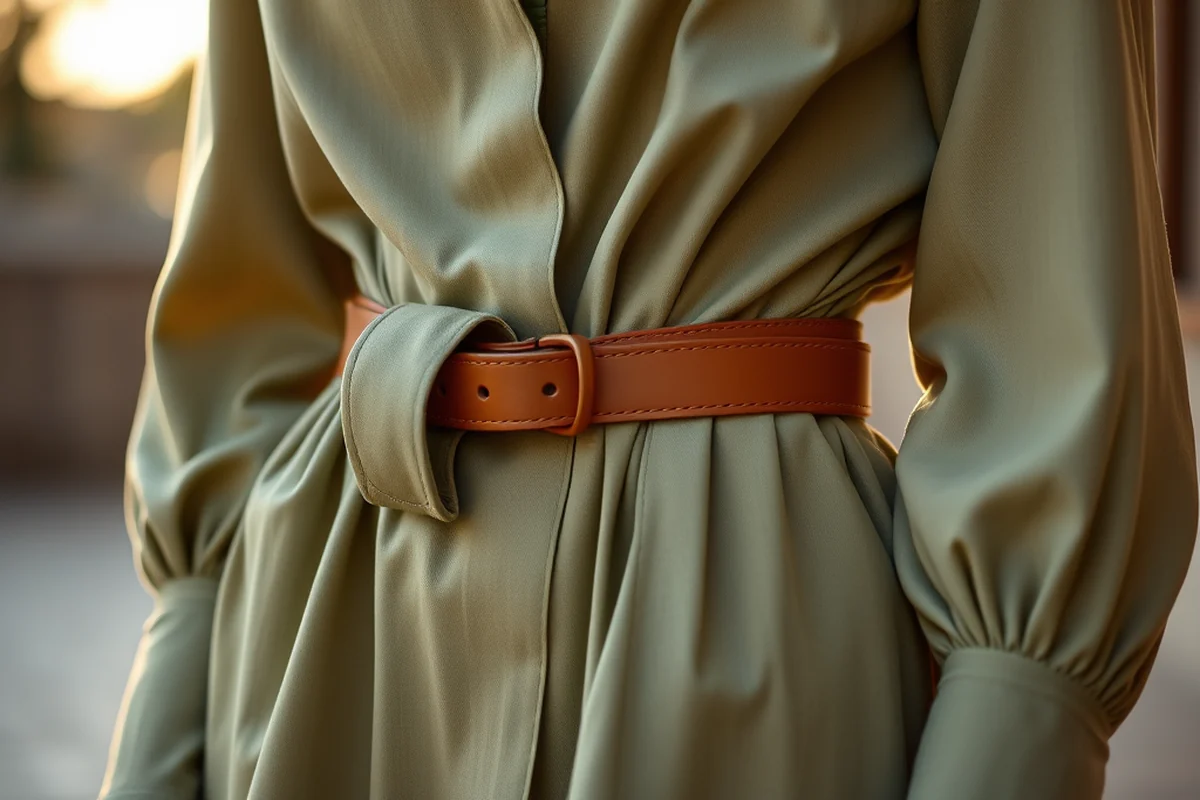
The long sleeve dress has a rich history, dating back to the 18th century when it was a symbol of modesty and status. I’ve studied fashion history enough to know that the evolution from the corseted styles of the past to today’s minimalist cuts is a fascinating journey.
In the 20th century, long sleeve dresses became popular in both formal and casual settings. The 1950s brought full skirts and structured sleeves, while the 1970s embraced flowing, bohemian styles. Now, the modern long sleeve dress is a blend of these influences, offering both structure and ease.
Today, long sleeve dresses are more versatile than ever. I’ve seen them in everything from high fashion runways to street style, and they’ve managed to maintain their elegance while adapting to modern tastes.
A long sleeve dress is a timeless piece that bridges the past and the present.
Related: Modern tall dresses for wedding guest
Styling Tips for Every Occasion
I’ve learned that the key to styling a long sleeve dress lies in the details. For a casual look, pair it with ankle boots and a denim jacket. For a more formal event, opt for heels and a statement clutch. The versatility is what makes this piece so valuable.
Layering is another important technique. I love adding a lightweight cardigan or a blazer to a long sleeve dress for a more structured look. It’s a simple trick that instantly elevates the outfit.
Accessories can make or break a long sleeve dress. I’ve found that bold jewelry, like a chunky necklace or earrings, adds a touch of glamour. On the other hand, a simple belt can define the waist and add structure to the dress.
Layering with a blazer or cardigan can transform a casual long sleeve dress into a professional one. Choose neutral colors for a classic, timeless look.
“There’s something undeniably comforting about slipping into a long sleeve dress on a crisp autumn morning.”— Hemlonger editors
Related: Tall dresses ideas checklist
Choosing the Right Fit and Silhouette
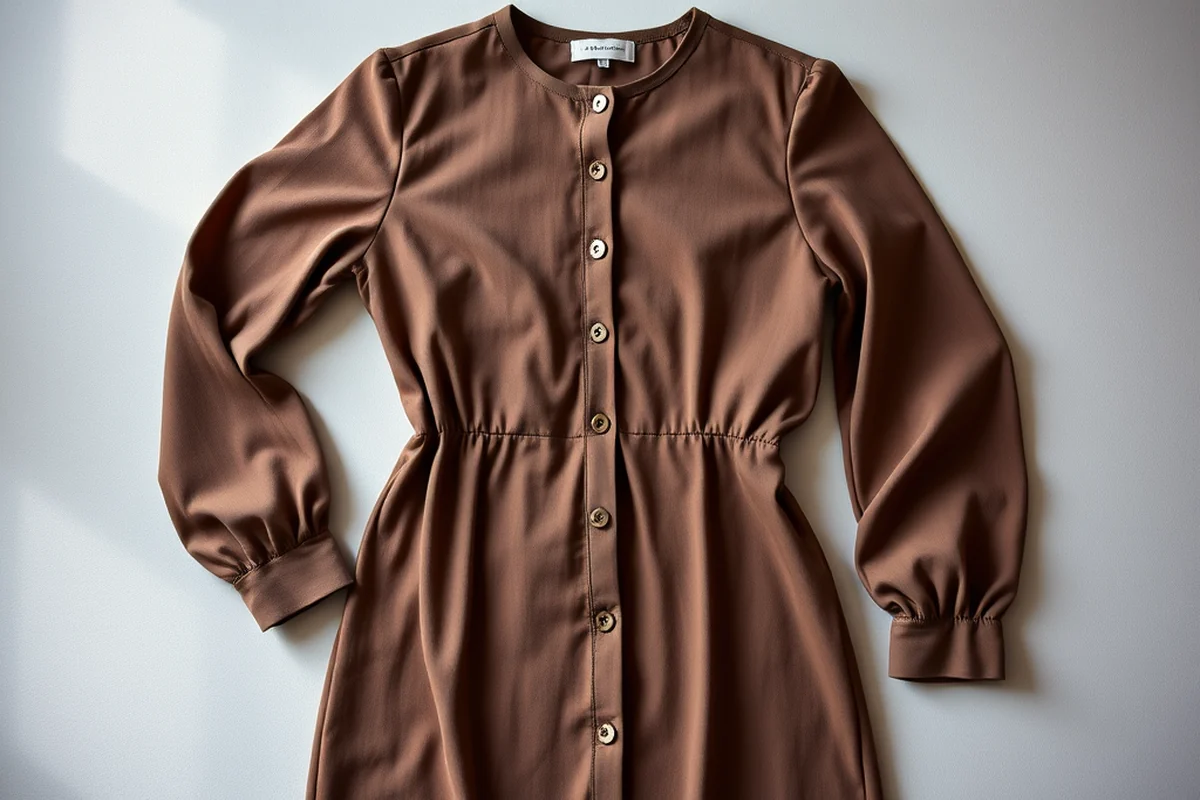
Fit is crucial when choosing a long sleeve dress. I’ve learned that a dress that’s too tight can be uncomfortable, while one that’s too loose can be unflattering. A well-fitted dress should hug the body without being restrictive.
The silhouette also plays a role in how a long sleeve dress looks. I prefer dresses with a defined waist or a structured bodice, as they create a more polished appearance. Flowy styles are also beautiful, but they require more attention to styling.
I’ve found that a dress with a slightly structured bodice and a waistline that defines the figure looks best. It adds shape and balance, making the overall look more flattering.
Related: Judy blue jeans in tall inseams for women explained
Color and Pattern Options
Color is a key factor in how a long sleeve dress is perceived. I’ve found that neutral shades like black, navy, and gray are versatile and can be styled for any occasion. However, I also love bold colors like emerald green or deep red for a more dramatic look.
Patterns can add interest and personality to a long sleeve dress. I’ve tried everything from floral prints to geometric designs, and each has its own appeal. The key is to choose a pattern that complements your personal style.
I’ve noticed that darker colors tend to be more versatile in colder months, while lighter, pastel shades work well in spring and summer. Choosing the right color can make a long sleeve dress feel like it was made for you.
Related: Brands for tall dresses on a budget
Long Sleeve Dresses for Different Body Types
I’ve found that the right cut can make a long sleeve dress look flattering on any body type. For example, dresses with a defined waist or a structured bodice work well for apple-shaped figures, while those with a more relaxed fit suit pear-shaped bodies.
I’ve also noticed that dresses with a V-neck or boat neckline can elongate the torso, which is especially flattering for petite figures. For taller individuals, a longer hemline or a more structured fit adds balance.
It’s important to choose a dress that complements your body shape. I’ve learned that a well-fitted long sleeve dress can accentuate your best features and create a more confident look.
A well-fitted long sleeve dress can flatter any body type with the right cut and style.
Related: Cheap tall dresses
Investing in Quality for Long-Term Use
I’ve learned that quality is key when choosing a long sleeve dress. A well-made dress will maintain its shape and color over time, while a cheaper alternative may sag or fade quickly.
I’ve found that dresses made from natural fibers like wool, silk, or cotton tend to be more durable and comfortable than synthetic fabrics. They also feel more luxurious and are more likely to last through multiple seasons.
Investing in a few high-quality long sleeve dresses has been one of the best fashion decisions I’ve made. They’ve lasted for years and have been worn in countless situations, from work to social events.
The Environmental Impact of Long Sleeve Dresses
The fashion industry is responsible for 10% of global carbon emissions, and long sleeve dresses contribute to this due to their fabric and manufacturing processes. For instance, a typical cotton long sleeve dress uses about 2,700 liters of water to produce — enough for one person to drink for two and a half years. Choosing dresses made from sustainable materials, such as organic cotton or recycled polyester, can significantly reduce this footprint. Brands like Patagonia and Reformation are leading the way by using eco-friendly dyes and ethical labor practices.
When considering the lifespan of a long sleeve dress, it’s important to factor in how often it’s worn. A dress worn 10 times a year will have a much lower environmental impact than one worn only twice. Investing in versatile styles that can be dressed up or down increases wear frequency, thereby reducing the need for new purchases. This approach not only benefits the planet but also saves money in the long run, as high-quality, well-made dresses tend to last longer.[1]
To further minimize environmental impact, consumers can look for certifications like the Global Recycled Standard (GRS) or Fair Trade Certified labels. These certifications ensure that the garment was produced with sustainable practices and ethical labor conditions. Also, washing a long sleeve dress in cold water and air-drying it instead of using a dryer can cut energy use by up to 40%. Small, conscious choices like these add up and make a real difference in reducing the fashion industry's carbon footprint.
💰 Budget-Friendly
Opt for affordable fabrics like cotton or polyester blends to create a stylish long sleeve dress without breaking the bank.
💼 Workwear
Choose structured, tailored long sleeve dresses in neutral colors for a professional look that’s perfect for the office.
👗 Casual
Go for flowy, relaxed styles with a casual fit for weekend outings and casual events.
📏 Petite/Tall Adaptation
Select dresses with defined waistlines or longer hemlines to flatter petite or tall body types.
🧳 Capsule Wardrobe
Invest in a few high-quality long sleeve dresses that can be styled in multiple ways for a versatile, timeless capsule wardrobe.
| The mistake | Why it happens | The fix |
|---|---|---|
| Over-accessorizing | Too many accessories can overwhelm the look of a long sleeve dress, making it feel cluttered and unbalanced. | Opt for a few key accessories that complement the dress, such as a statement necklace or a simple belt. |
| Choosing a dress that doesn’t flatter the body shape | A long sleeve dress that doesn’t fit well can make the wearer feel self-conscious and uncomfortable. | Try on different styles and cuts to find one that flatters your body shape and makes you feel confident. |
| Ignoring the fit | A dress that is too tight or too loose can be uncomfortable and unflattering, regardless of the style or fabric. | Always check the fit before purchasing or altering the dress to ensure it’s comfortable and flattering. |
What Is Long Sleeve Dress
Common Questions
Can a long sleeve dress be worn in the summer?
How can I style a long sleeve dress for a formal event?
What fabrics are best for long sleeve dresses?
Can a long sleeve dress be worn to work?
References
- Field Operations Manual - EPA (epa.gov)
Cite this guide
Hemlonger (2026). What Is Long Sleeve Dress. https://hemlonger.com/what-is-long-sleeve-dress/
Feel free to cite or share this guide.