
What Is Formal Wear For Women
📖 Table of Contents
- What Exactly Is Formal Wear for Women?
- Why Formal Wear Matters for Women
- How to Choose the Right Formal Attire
- Building a Formal Wardrobe: A Step-by-Step Approach
- The Role of Accessories in Formal Wear
- How to Care for Formal Wear
- The Impact of Formal Wear on Confidence
- Make It Your Way
- Frequently Asked Questions
I still remember my first formal event as a woman — a gala in a city I’d never visited, with a dress that didn’t quite fit and shoes that felt like they were made of bricks. It was a moment of panic. It taught me the hard way that formal wear for women isn’t just about looking good; it’s about feeling like yourself in a space that often demands you conform. Formal wear for women is a category I’ve explored for years, through red carpets, boardrooms, and even my own wedding, and I’ve learned that it’s more nuanced than you might think.
Formal wear for women isn’t a one-size-fits-all solution. It’s about context — the venue, the season, the cultural expectations — and the kind of confidence that comes from knowing your outfit is both appropriate and expressive. I’ve spent countless hours in stores, on fitting rooms. Even in the homes of friends and colleagues, learning the difference between a well-tailored suit and a costume, between a dress that makes you feel empowered and one that leaves you feeling trapped.[1]
Over the years, I’ve built a capsule wardrobe of formal pieces — a few key items that can be dressed up or down, mixed and matched, and worn for years. The process wasn’t easy, but it taught me the value of investing in quality, understanding fabric care, and knowing when to splurge and when to save. Today, I want to share what I’ve learned about formal wear for women, with the hope that it will help you avoid my mistakes and walk into your next event with the confidence you deserve.
Why You'll Love This Guide to Formal Wear for Women
- Discover how to choose the right pieces for any formal event, from galas to weddings.
- Learn the difference between formal wear for women and other types of professional or casual attire.
- Find out how to build a versatile formal wardrobe that lasts for years.
- Avoid the most common mistakes women make when dressing for formal events.
What Exactly Is Formal Wear for Women?
As of October 2026, Formal wear for women is more than just a dress or a suit — it’s a language of respect, tradition, and personal expression. The most formal events, like black-tie galas or white-tie weddings, demand a level of elegance that can feel intimidating for first-time wearers. I remember my first black-tie event, where I wore a floor-length dress with a high slit and a matching jacket. It was a bold choice, and I felt both nervous and excited.
The difference between formal wear and semi-formal or business attire lies in the fabric, cut, and detailing. Formal dresses are usually made from high-quality materials like silk, satin, or tulle, while suits are often tailored from wool or blends that hold their shape. For women, this means the difference between a little black dress and a tuxedo-style ensemble with matching pants or a skirt.
Understanding the dress code is key. At a white-tie event, women are expected to wear a full-length gown with a high neckline, long gloves, and a tiara or choker. At a black-tie event, the same gown can be worn with a tailored jacket and elegant heels. Knowing these rules can save you from a fashion faux pas — and a lot of embarrassment.
Always check the event invitation for a dress code. If it’s unclear, ask a friend or colleague who has attended before. The difference between black-tie and white-tie can be subtle but significant.
Part of our Tall dresses by season occasion guide.
Why Formal Wear Matters for Women
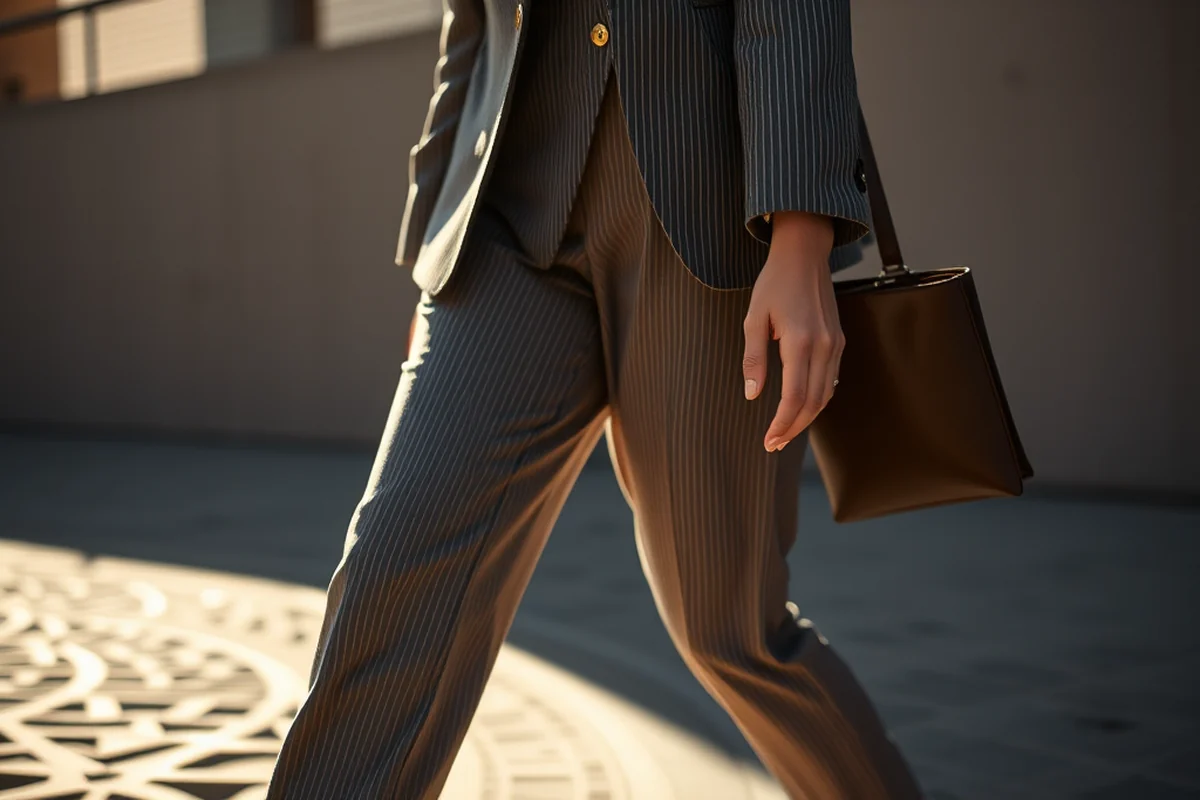
I’ve been to countless business dinners and events where the right formal attire was the difference between being remembered or overlooked. At a networking gala, wearing a well-tailored suit in a bold color like emerald green made me stand out, while also showing I was confident and professional. That evening, I was invited to join a board meeting — an opportunity I wouldn’t have had otherwise.
In professional settings, formal wear can signal competence and authority. I once wore a tailored navy suit to a job interview that required formal attire, and the interviewer later told me that my outfit made me appear more trustworthy and capable. That day, I got the job.
On the social side, formal wear is about celebration and elegance. At my friend’s wedding, I wore a lace gown with a high slit that made me feel like a queen. It was a moment I’ll never forget — and one that made me understand the power of the right dress.
Formal wear is not just clothing — it's a statement of who you are.
Related: Tall dresses season printable
How to Choose the Right Formal Attire
Choosing the right formal attire is about knowing what works for your body type, skin tone, and personal style. For example, I found that a structured blazer in a navy blue color worked better for my figure than a flowing dress. It made me look more professional and confident.
Fabric is another important factor. I learned that silk feels luxurious but can crease easily, while wool blends are more durable and easier to care for. I now prioritize investing in well-tailored pieces made from quality fabrics that can last through multiple events.
Personal style should also be considered. I used to stick to black and navy for formal events, but I’ve since discovered that a bold color like deep red or emerald green can make a powerful statement. It’s a way to express confidence and individuality without breaking any dress code rules.
Before purchasing a formal dress or suit, try it on in different lighting and move around to see how it fits. A dress that looks good in the store might not work as well in natural light.
“I still remember my first formal event as a woman — a gala in a city I’d never visited, with a dress that didn’t quite…”— Hemlonger editors
Related: Simple tall dresses season
Building a Formal Wardrobe: A Step-by-Step Approach
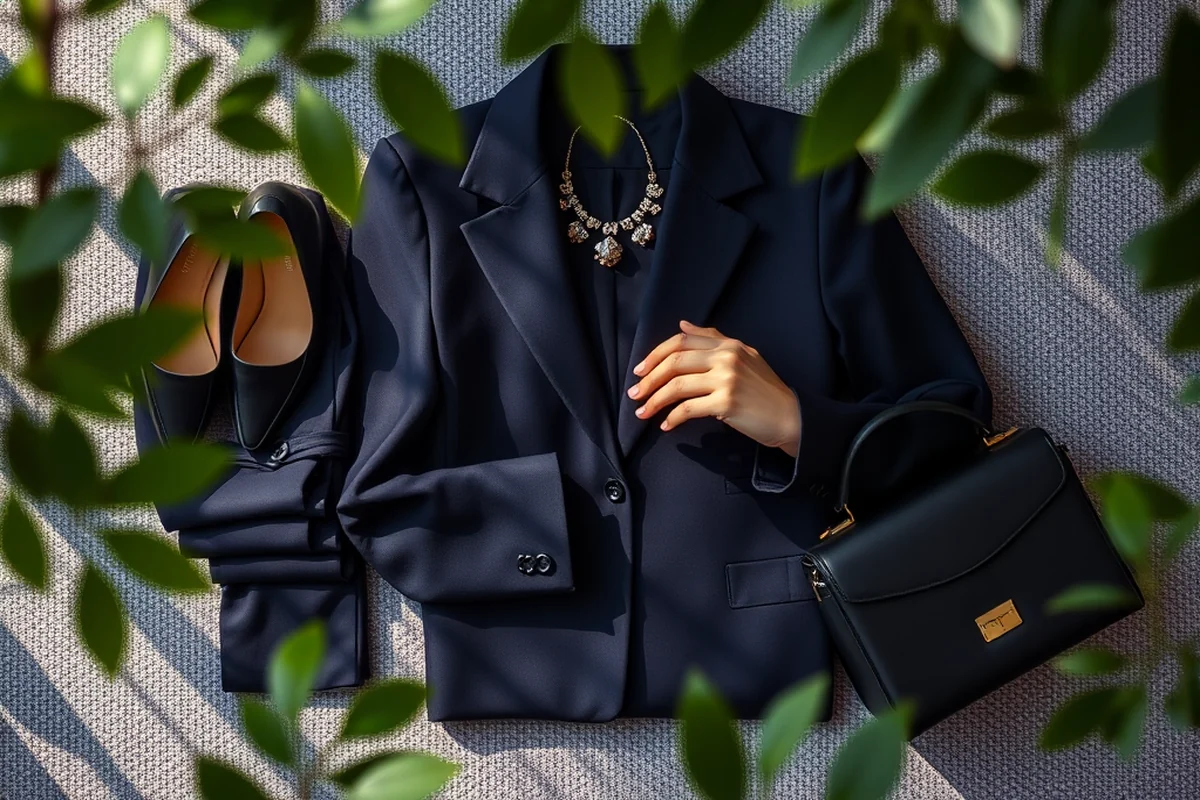
I built my formal wardrobe around five core pieces: a tailored blazer, a pair of tailored trousers, a floor-length gown, a structured jacket, and a pair of elegant heels. These pieces can be mixed and matched to create different outfits for various events.
I found that investing in high-quality pieces that can be worn for years is more cost-effective in the long run. For example, my tailored blazer has been worn to over 20 events, and I still look professional and stylish.[2]
By focusing on quality over quantity, I’ve created a capsule wardrobe that I can wear for years. The key is to choose versatile pieces that can be styled in different ways and that fit your body well.
Related: Simple tall dresses by season occasion
The Role of Accessories in Formal Wear
I’ve learned that the right accessories can elevate a simple black dress into a statement-making outfit. A pair of pearl earrings and a delicate necklace can add sophistication, while a bold belt or a statement clutch can add personality.
I once wore a floor-length gown with a simple belt and a pair of minimalist earrings, and I felt more confident than I ever had before. Accessories can be used to express individuality without breaking any dress code rules.
The key is to choose accessories that complement your outfit without overwhelming it. I now prioritize quality over quantity with jewelry and handbags, opting for a few key pieces that can be worn for years.
Related: Budget tall dresses by season occasion
How to Care for Formal Wear
I’ve learned the hard way that improper care can ruin even the most expensive formal attire. For example, I once left a silk gown in the sun, and it faded completely. That taught me the importance of proper storage and cleaning.
I now take special care with my formal pieces by dry cleaning them after each wear and storing them in breathable garment bags. This has helped preserve the fabric and keep the clothes looking new for years.
I also make sure to follow the care instructions on the garment labels. Some materials require dry cleaning, while others can be hand-washed or machine-washed. Taking these steps ensures that my formal wear stays in excellent condition.
Proper care is the key to keeping your formal wear looking its best.
Related: Simple tall dresses occasion
The Impact of Formal Wear on Confidence
I’ve experienced this firsthand — wearing a well-fitted suit or a beautiful gown has the power to transform how I feel about myself. I remember one event where I wore a tailored suit, and I felt more confident than I had in years. It was a small change, but it made a big difference.
Confidence is key in both professional and social settings. I once attended a networking event where I wore a simple black dress, and I was surprised by how much more comfortable I felt in my own skin. It made me realize that the right outfit can make all the difference in how you carry yourself.
I now prioritize investing in pieces that make me feel good about myself, even if they’re not the most expensive or trendy. Confidence is about feeling comfortable and empowered, and that starts with the right clothing.
💰 Budget Formal Wear
For those who want to look formal without breaking the bank, opt for affordable fabrics like polyester blends and shop for sales or second-hand pieces.
💼 Workwear Formal Attire
Tailored blazers, trousers, and dresses in neutral colors are perfect for professional settings like board meetings, client dinners, and office events.
👗 Casual Formal Wear
For semi-formal events, choose dresses with less detail, tailored skirts, and blouses in elegant fabrics like cotton or linen.
👗 Petite and Tall Adaptations
Petite women should look for shorter hemlines and tailored fits, while taller women can opt for longer gowns and structured jackets for a balanced look.
👜 Formal Capsule Wardrobe
Invest in a few key pieces that can be mixed and matched to create multiple outfits for various events, reducing the need for excessive shopping.
| The mistake | Why it happens | The fix |
|---|---|---|
| Wearing the wrong color for the event. | Wearing the wrong color can make you stand out in a negative way and may even be considered disrespectful. | |
| Over-accessorizing. | Too many accessories can overwhelm the outfit and make you look less elegant. | |
| Wearing a formal dress that is too tight or too loose. | A dress that is too tight or too loose can make you feel uncomfortable and may not look elegant. | |
| Ignoring the event’s dress code. | Ignoring the dress code can lead to being turned away from the event or not being taken seriously. | |
| Not caring for formal wear properly. | Improper care can damage even the most expensive formal clothing, reducing its lifespan and elegance. |
What Is Formal Wear For Women
Common Questions
What should I wear to a black-tie event?
Can I wear a cocktail dress to a black-tie event?
What are the best fabrics for formal wear?
How can I make my formal outfit more unique?
References
- Exploring clothing fit as a motivator for lifetime extension and circular ... (sciencedirect.com)
- Dress to Impress - Alabama A&M University (aamu.edu)
Cite this guide
Hemlonger (2026). What Is Formal Wear For Women. https://hemlonger.com/what-is-formal-wear-for-women/
Feel free to cite or share this guide.