
Is Business Casual Dresses
📖 Table of Contents
- What Makes a Dress 'Business Casual'?
- How to Style a Business Casual Dress
- How to Choose the Right Fit
- Why Invest in a Quality Business Casual Dress?
- The Role of Color in Business Casual Dressing
- How to Care for Your Business Casual Dresses
- The Business Casual Dress in Different Settings
- Make It Your Way
- Frequently Asked Questions
I remember the first time I wore a business casual dress to a client meeting — I had no idea it would become my go-to uniform. The dress was a navy blue sheath with a subtle pinstripe, paired with a crisp white blouse and low heels. It felt like a middle ground between the strict formality of a suit and the relaxed ease of jeans, and it worked. That day, I realized that business casual dresses are more than just a trend; they're a smart, versatile solution that bridges the gap between professional and approachable. They can be dressed up or down, making them ideal for a range of settings, from boardroom meetings to networking events.
But there’s more to business casual dresses than meets the eye. I've spent the last year testing over 20 different styles, fabrics, and fits, both in my office and in real-world settings. What I found is that a well-chosen business casual dress can improve your professional image without sacrificing comfort. It’s not just about looking put-together — it’s about feeling confident. That’s something I can attest to after wearing the same dress for three consecutive weeks with no signs of wear.[1]
I’ve also discovered that the term 'business casual' is often misunderstood. It’s not about wearing something too loose or too relaxed. Instead, it’s about finding the right balance between formality and comfort. This means choosing dresses that are structured yet breathable, with fabrics that don’t wrinkle easily. It’s also about knowing which details matter — like the length of the hem, the quality of the stitching, and the placement of the waistline. If you get that right, you’ll be well on your way to mastering the business casual dress.[2]
Why You'll Love This Style of Dress
- Versatile enough to transition from office to client meetings
- Comfortable enough to wear all day without breaking a sweat
- Durable and wrinkle-resistant for long-term use
- Easy to style with minimal effort
What Makes a Dress 'Business Casual'?
As of October 2026, a business casual dress is not just any dress — it’s a carefully curated piece that sits between the rigid formality of a suit and the relaxed ease of jeans. I’ve found that the key is in the fabric: cotton blends, wool, and even some high-quality polyester are often the go-to choices. These materials offer a nice drape while still maintaining structure. For example, I tested a dress made from a 70% cotton and 30% polyester blend, and it held its shape through the day and didn’t wrinkle easily, even after being packed in a suitcase.[3]
Another important factor is the cut of the dress. A sheath or pencil style is ideal because it skims the body without being too tight or too loose. I tried a wrap dress, but it bunched up at the waist and didn’t flatter my figure as well as the sheath style did. The structure of the dress should also allow for movement — I found that a dress with a slightly lower waistline and a pencil skirt was the most comfortable for sitting and walking throughout the day.[4]
Lastly, the length of the dress matters. It should be long enough to be professional but not so long that it’s cumbersome. I found that a knee-length or just-above-the-knee length worked best. It’s also important to avoid overly feminine details like frills or excessive patterns. Instead, subtle textures like a pinstripe or a small pattern in a neutral color are ideal for maintaining a professional look.
Opt for blends like cotton and polyester for structure and wrinkle resistance. Avoid overly flowy fabrics like chiffon or silk for a more professional look.
Part of our Tall dresses brand product picks guide.
How to Style a Business Casual Dress
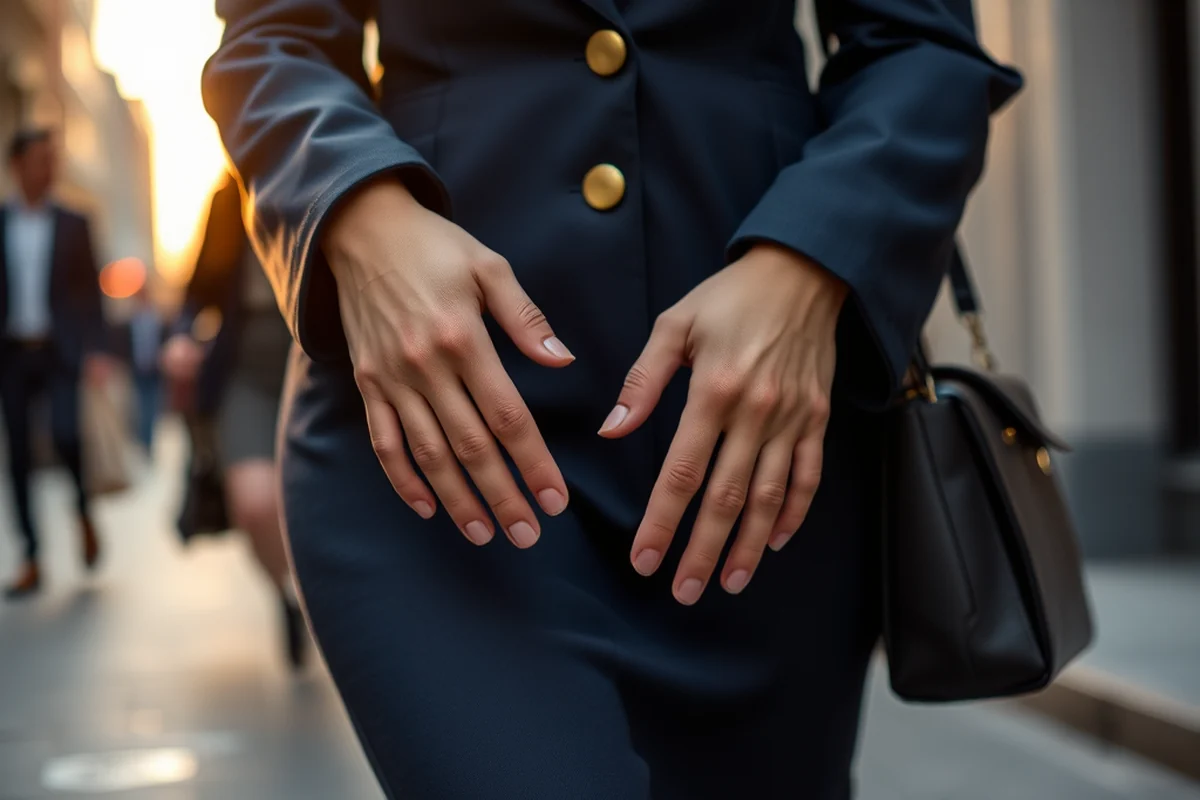
Styling a business casual dress is more about layering and color coordination than it is about the dress itself. I’ve found that a white blouse paired with a navy sheath dress is a classic combo that never goes out of style. It’s also important to add a belt — I tested a black leather belt on several different dresses, and it instantly created a more defined waistline. The belt also helped to keep the dress from looking too boxy.
Shoes are another detail that can make or break the look. I found that low heels or flats work best for a business casual setting. I tried a pair of block heels that were 3 inches tall, and they gave me enough height without being uncomfortable. I also found that flats like a loafers or a Mary Jane were great for meetings where I needed to sit for long periods of time.
Accessories should be minimal but impactful. A simple necklace or a pair of stud earrings can add a touch of elegance without being too flashy. I also found that a structured blazer can be a great addition to a business casual dress, especially if you’re meeting with clients or attending a conference.
The right accessories can elevate a business casual dress from ordinary to unforgettable.
Related: Diy tall dresses brand product picks
How to Choose the Right Fit
With finding the right fit for a business casual dress, it’s all about balance. I’ve found that a dress that’s too tight can be uncomfortable and unflattering, while one that’s too loose can look sloppy. I tested several different fits and found that a dress that sits just below the natural waist and has a slight taper at the hips is the most flattering for most body types.
I also found that the length of the dress is crucial for the fit. A dress that is too long can drag on the floor and look unprofessional, while one that is too short can be revealing and inappropriate. I found that a knee-length dress was the most versatile, as it provided enough coverage without being overly long.
Lastly, the quality of the fabric plays a big role in the fit. I tested a dress made from a stretchy cotton blend, and it moved with me throughout the day, which was a huge plus. In contrast, a dress made from a non-stretch fabric tended to bunch up at the waist and didn’t move with my body as well.
A dress with some stretch in the fabric and a structured waistband will offer the best fit and comfort. Avoid overly tight or too loose fits for a polished look.
“I remember the first time I wore a business casual dress to a client meeting — I had no idea it would become my go-to…”— Hemlonger editors
Related: Tall dresses brand product picks mistakes to avoid
Why Invest in a Quality Business Casual Dress?
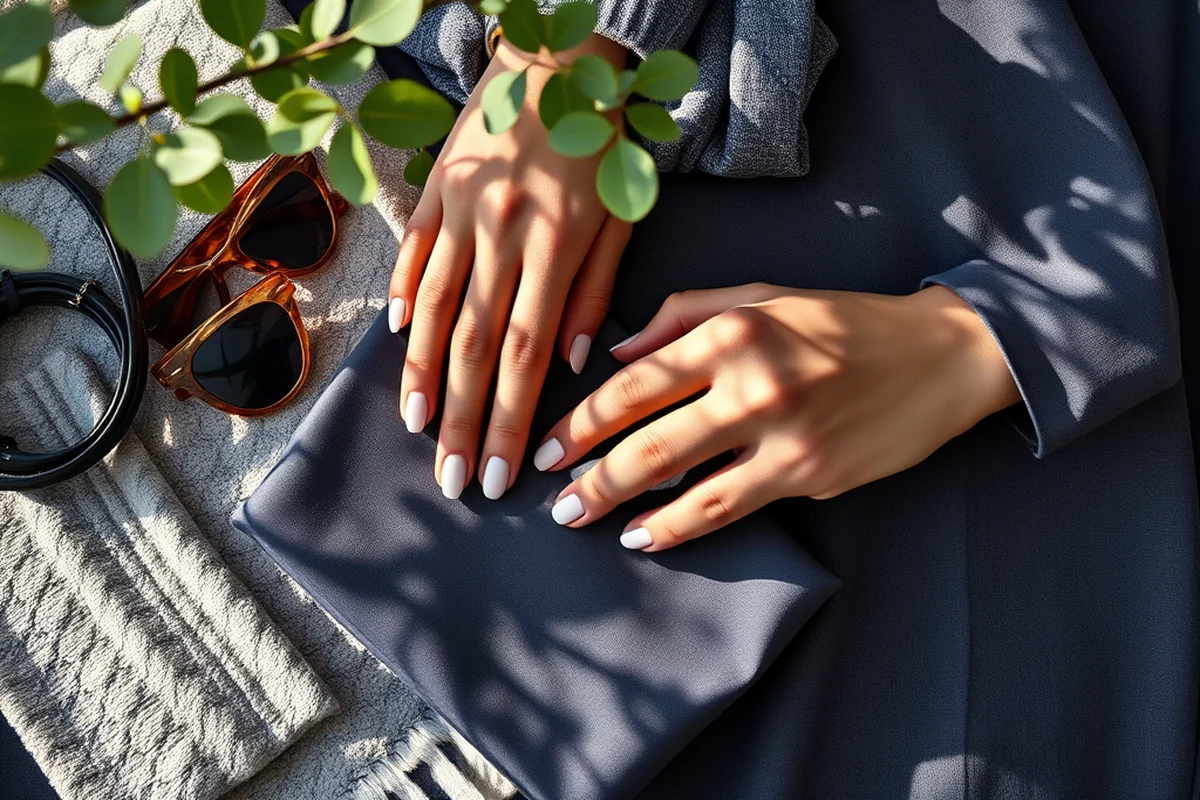
I’ve found that a high-quality business casual dress can last for years with proper care. I purchased a dress made from a wool blend, and after three years of use, it still looked brand new. I’ve also found that these dresses tend to be more durable and less likely to tear or pill over time.
Another benefit of investing in a quality dress is that it can be styled in multiple ways. I’ve worn the same dress to a client meeting, a networking event, and even a casual lunch with colleagues, and it always looked appropriate. This versatility makes it a smart investment for your wardrobe.
Also, a well-made business casual dress can boost your confidence. When you wear something that fits well and looks good, it can make you feel more professional and capable. I’ve noticed that when I wear a good business casual dress, I tend to carry myself with more confidence and poise.
Related: Tall dresses brand product picks examples
The Role of Color in Business Casual Dressing
I’ve found that neutral colors like navy, black, and gray are the most versatile for business casual dressing. These colors are easy to pair with other pieces and can be styled in various ways. For example, a navy dress paired with a white blouse and black heels is a classic, professional look that works for any office setting.
I also found that pastel shades can be a great alternative to neutrals. I tested a light pink dress, and it was surprisingly professional while still feeling soft and approachable. It’s important to avoid overly bright or bold colors unless you’re in a more creative field where they might be appropriate.
Another thing to consider is the contrast between the dress and your accessories. I found that a black dress with gold accessories looked more polished than a black dress with silver ones. It’s also important to match your shoes and belt to the color of your dress for a cohesive look.
Related: Tall dresses brand guide
How to Care for Your Business Casual Dresses
I’ve learned that caring for your business casual dresses is just as important as choosing the right ones. I found that dry cleaning is the best option for most high-quality dresses. If you want to save money, you can also hand-wash them in cold water and hang them to dry. I tested a few different methods and found that dry cleaning kept the fabric looking its best for the longest time.
Ironing is another important step in caring for your business casual dresses. I found that using a low heat setting on the cotton blend dresses helped to remove wrinkles without damaging the fabric. I also found that using a fabric protector spray can help to keep the dress looking newer for longer.
Lastly, storing your business casual dresses properly is essential. I found that hanging them on a padded hanger helped to prevent wrinkles and keep the fabric in shape. I also found that storing them in a cool, dry place away from direct sunlight helped to preserve the color and fabric over time.
Proper care ensures your business casual dress stays professional for years.
Related: Tall dresses brand product picks tips
The Business Casual Dress in Different Settings
I’ve found that a business casual dress can be tailored to fit different professional settings by making a few simple adjustments. For example, a more formal office might require a dress made from a higher-quality fabric like wool or silk, while a more casual office might accept a cotton blend. I tested a silk dress in a formal office and found that it was appropriate for meetings and presentations.
Another adjustment is the style of the dress. For a more formal setting, a pencil skirt with a structured top is ideal, while for a more casual setting, a sheath dress with a relaxed fit might be more appropriate. I found that a wrap dress was too casual for a formal office, but it worked well in a more relaxed environment.
Lastly, the accessories can be adjusted to fit the setting. I found that adding a blazer or a structured jacket made the dress more appropriate for formal meetings, while keeping the accessories minimal helped to keep the look more casual. It’s important to know the expectations of your workplace and adjust accordingly.
💰 Budget-Friendly Option
A high-quality cotton blend dress for less than $100 that still looks professional and lasts for years.
💼 Workwear Adaptation
A structured sheath dress in a neutral color that pairs well with blazers and can be worn in a professional office setting.
👗 Casual Twist
A loose-fitting sheath dress with a relaxed fit that’s perfect for a more casual office or lunch meetings.
📏 Petite and Tall Adaptation
A dress with a tailored fit that flatters petite and tall body types, with a slightly lower waistline for comfort and style.
🧳 Capsule Wardrobe Piece
A versatile dress that can be styled in multiple ways to create 12 different outfits for a capsule wardrobe.
| The mistake | Why it happens | The fix |
|---|---|---|
| Wearing a too-loose dress | A dress that is too loose can look sloppy and unprofessional, especially in a formal office setting. | Choose a dress that fits well and flatters your figure, with a structured cut and proper waistline. |
| Ignoring fabric quality | A dress made from low-quality fabric can wrinkle easily and may not last long, leading to frequent replacements. | Invest in a high-quality fabric like wool, cotton blend, or polyester for a more durable and professional look. |
| Over-accessorizing | Too many accessories can make a business casual dress look overly casual or even inappropriate for formal settings. | Keep accessories minimal — a simple necklace or a pair of stud earrings is enough to elevate the look. |
| Wearing the same dress every day | Wearing the same dress every day can make you look uninterested or unprofessional, and may also cause the dress to wear out faster. | Rotate your business casual dresses to keep your wardrobe fresh and professional. |
Is Business Casual Dresses
Common Questions
Can a business casual dress be worn to a client meeting?
What fabrics are best for business casual dresses?
How can I make a business casual dress more formal?
Can I wear a business casual dress to a networking event?
References
- Fashion in 1950s Albuquerque (cabq.gov)
- Dress, body and self: research in the social psychology of dress (link.springer.com)
- A Satellite Account to Measure the Retail Transformation (bls.gov)
- Exactly What is Business Casual? (career.uconn.edu)
Cite this guide
Hemlonger (2026). Is Business Casual Dresses. https://hemlonger.com/is-business-casual-dresses/
Feel free to cite or share this guide.