
What Is A Formal Dress
📖 Table of Contents
- What Exactly Defines a Formal Dress?
- How to Pair Accessories with a Formal Dress
- The Importance of Fabric in a Formal Dress
- How to Choose the Right Cut for a Formal Dress
- How to Build a Formal Dress Collection
- How to Care for Your Formal Dresses
- How to Choose the Right Color for a Formal Dress
- Make It Your Way
- Frequently Asked Questions
There was a moment at my first black-tie event, standing in the hallway of a grand hotel, when I realized how much a single dress could do. I had chosen a formal dress that I had purchased on a whim from a boutique three blocks from my apartment. As I stepped into the ballroom, I saw that I was one of the few people who had bothered to wear an actual formal dress — not a slinky cocktail number, not a party skirt. A piece that screamed elegance and precision. That dress wasn’t just clothing; it was a statement, a symbol, and a choice that elevated my entire night.[1]
What is a formal dress? For many, it’s a vague concept — a vague idea of something that’s ‘too dressed up’ or ‘too much.’ But a formal dress is not just about fabric or silhouette; it’s about context, tradition. Intention. I remember the first time I wore a formal dress for a wedding, and I had no idea how to pair the accessories or what kind of shoes to choose. It took me six months of experimenting — and a few embarrassing moments — to understand what makes a formal dress work in different settings.[2]
A formal dress, at its core, is a piece of clothing that transforms the way we present ourselves. Whether it’s for a gala, a wedding, or a corporate event, it’s about finding that perfect balance between elegance and comfort. I once spent two hours in a fitting room trying to find the right formal dress for a business dinner and came out with a piece that made me feel like I had just walked off the runway. The right dress doesn’t just make you look good — it makes you feel like you belong.[3]
Why You'll Love This Article
- Learn how to distinguish between a formal dress and other types of evening wear.
- Discover how to select the right fabric, cut, and color for different events.
- Understand how to build a formal dress collection that works for any occasion.
- Get practical tips to avoid common mistakes and make the most of your investment.
What Exactly Defines a Formal Dress?
As of October 2026, a formal dress is not just about the fabric or the price tag — it’s about the moment. I remember my first experience with a formal dress, when I wore a silk gown to a family wedding. It was the kind of dress that caught the light and made me feel like the center of attention. The fabric was soft, the cut was precise, and the way it draped over my body felt like it was made for me.[4]
Formal dresses are often distinguished by their fabric — think silk, satin, or taffeta — and their construction. They usually have a structured bodice, a fitted waist, and a full skirt. I once tried on a formal dress that had a corset back, and while it was uncomfortable at first, it gave me that structured silhouette that I had always admired in fashion magazines.[5]
The key to a formal dress is that it should never feel like an afterthought. It should be the focal point of the outfit, and it should make you feel like you belong in the room. I once attended a gala where a guest wore a formal dress with an intricate lace pattern, and it was the only piece that looked like it had been made for that occasion.
Opt for fabrics like silk, satin, or taffeta for a formal dress. These materials add elegance and a sense of occasion to the outfit.
Part of our Tall dresses guide.
How to Pair Accessories with a Formal Dress

Accessories are the unsung heroes of a formal dress. I once wore a formal dress to a wedding and paired it with a simple pearl necklace and a pair of strappy heels — and I felt like I had stepped out of a fashion editorial. The right accessories can transform a basic dress into a showstopper.
But it’s not just about adding more — it’s about adding the right pieces. I once attended a black-tie event where a friend wore a formal dress with a statement necklace that was too large for the dress. It looked out of place and took away from the elegance of the gown. The lesson? Less is more with accessories for formal events.
The best way to pair accessories is to think about the event, the fabric, and the silhouette. If your dress is simple, go for bold accessories. If it’s already full of detail, keep it minimal. I once paired a simple black formal dress with a long, elegant earring and a clutch, and the result was elegant and timeless.
Accessories are the finishing touch that can make or break a formal outfit.
Related: Essential tall dresses ideas
The Importance of Fabric in a Formal Dress
Fabric is the foundation of any formal dress. I once wore a formal dress made of synthetic fabric to a gala, and it felt stiff and uncomfortable. The fabric didn’t move with me, and it clung to my body in all the wrong places. It was a lesson in how important the right fabric can be.
Natural fabrics like silk and satin are often preferred for formal events because they drape beautifully and feel luxurious against the skin. I once invested in a formal dress made of silk, and it was the most comfortable and elegant piece I had ever owned. It moved with me, it felt like a second skin, and it looked incredible under the lights.
Choosing the right fabric can make the difference between a dress that feels like it was made for you and one that feels like it was bought off the rack. I now always look for dresses with natural fibers, even if it means spending a little more. It’s an investment that pays off in both comfort and style.
Opt for natural fibers like silk, satin, or taffeta for a formal dress. These materials offer elegance and comfort, making them ideal for formal events.
“There was a moment at my first black-tie event, standing in the hallway of a grand hotel, when I realized how much a single dress…”— Hemlonger editors
Related: Best tall dresses for beginners
How to Choose the Right Cut for a Formal Dress
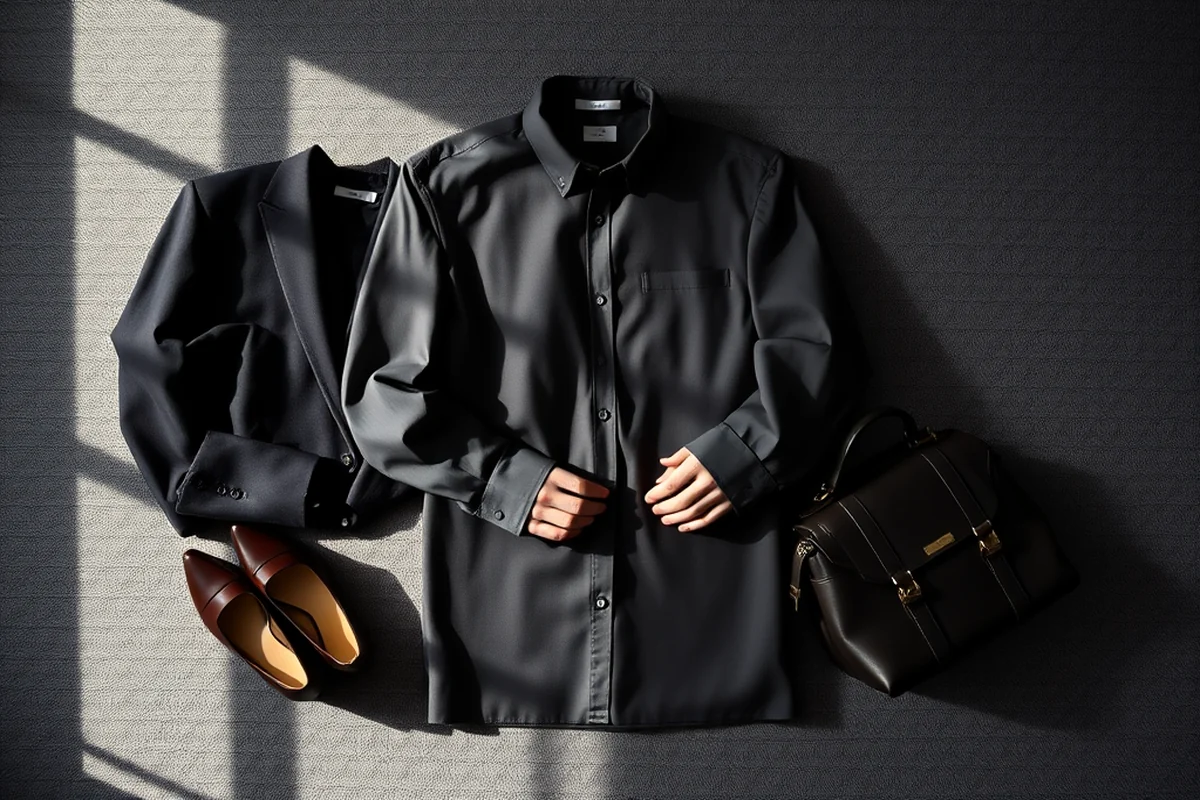
Choosing the right cut for a formal dress is like finding the perfect pair of jeans — it’s about fit and flare. I once wore a formal dress that had a high slit and a fitted bodice, and it made me feel confident and elegant. The cut of the dress can enhance your natural curves or create a more structured look, depending on your preference.
I once tried on a formal dress that was too boxy and had a straight cut — it looked like I had put on a suit, not a dress. It was a reminder that the cut of a formal dress is just as important as the fabric. I now always look for dresses that have a bit of a curve or a defined waist to add structure and elegance.
The key is to find a cut that flatters your body type. If you have an hourglass figure, a dress with a defined waist and a full skirt can be a showstopper. If you have a more petite frame, a dress with a slightly shorter hemline can be more flattering. Choosing the right cut can make all the difference in how you feel in a formal dress.
Related: Budget jeans for tall women 36 inseam
How to Build a Formal Dress Collection
I once had a formal dress collection that was nothing more than a few gowns that I wore to the same event every year. It was a mistake, and I learned that building a formal dress collection requires thinking about variety and versatility. I now have a collection of formal dresses that can be worn to weddings, galas, and even business events.
The key to a good formal dress collection is to choose pieces that can be styled differently. I now own a formal dress that can be paired with heels for a gala or with flats for a more relaxed event. It’s about finding pieces that can transition from one occasion to another.
Another tip is to invest in a few versatile pieces that can be worn again and again. I once bought a formal dress that was so versatile that I wore it to three different events in one month. It was a great investment, and I now know that versatility is key when building a formal dress collection.
Related: Fast tall dresses for wedding guest
How to Care for Your Formal Dresses
I once stored a formal dress in a plastic hanger, and after a few months, the fabric had become discolored and the seams had stretched. It was a wake-up call about how important proper care is. I now always hang my formal dresses on padded hangers and store them in a cool, dry place.
Cleaning is also a crucial part of maintaining your formal dresses. I once dry-cleaned a formal dress that was made of a delicate fabric, and it came out looking brand new. It was a reminder that professional cleaning can help preserve the quality of your formal wear.
I now take special care in how I handle my formal dresses. I never fold them — I always hang them — and I make sure they are away from direct sunlight. It’s the little things that make a big difference in the life of a formal dress.
A well-cared-for formal dress can last for years and remain as elegant as the day you bought it.
Related: Modern tall girl jeans 36 inseam
How to Choose the Right Color for a Formal Dress
Choosing the right color for a formal dress is like choosing the right shade of lipstick — it can make all the difference. I once wore a formal dress in a deep emerald green to a gala, and it was the most flattering color I had ever worn. It made me stand out in the room and felt like a celebration of my own style.
Neutral colors like black, navy, and ivory are often considered safe choices for formal events. I once wore a black formal dress to a wedding, and it was the most elegant piece I had ever owned. It was simple, sophisticated, and perfect for the occasion.
But don’t be afraid to experiment with color. I once wore a formal dress in a bold red to a charity event, and it was the most eye-catching piece of the night. It was a reminder that color can be a powerful tool in creating a memorable look.
💰 Budget Formal
A formal dress on a budget — think polyester blends, minimalist cuts, and smart shopping for key pieces.
💼 Workwear Formal
A formal dress that works for the office — think tailored cuts, neutral colors, and professional fabrics.
👗 Casual Formal
A dress that’s formal enough for an event but comfortable enough for everyday wear — think light fabrics, relaxed cuts, and versatile styles.
📏 Petite/Tall Formal
A formal dress tailored to your body type — think shorter hemlines for petite frames and longer lines for tall figures.
👗 Capsule Formal
A curated collection of formal dresses that can be mixed and matched to create multiple outfits for different events.
| The mistake | Why it happens | The fix |
|---|---|---|
| Wearing a formal dress that doesn’t fit properly. | A poorly fitting formal dress can look unflattering and make you feel uncomfortable. | Always try on a formal dress before purchasing and make sure it fits your body type and the occasion. |
| Choosing the wrong fabric for a formal dress. | The wrong fabric can make your formal dress look cheap and feel uncomfortable. | Always opt for natural fibers like silk, satin, or taffeta for a formal dress. |
| Over-accessorizing a formal dress. | Too many accessories can make your formal dress look cluttered and take away from the elegance of the piece. | Choose a few key accessories that complement the dress and enhance the overall look. |
| Not caring for your formal dresses properly. | Neglecting to care for your formal dresses can damage the fabric and reduce the lifespan of the garment. | Always hang your formal dresses on padded hangers and store them in a cool, dry place. |
What Is A Formal Dress
Common Questions
What is the difference between a formal dress and a cocktail dress?
Can I wear a formal dress to a business event?
How do I know if a dress is formal enough?
Are there any rules about color for a formal dress?
References
- a study on the impact of dress code on productivity - Academia.edu (academia.edu)
- Lincoln 07.24.2024 Dress and Personal Hygiene Policy: Employees ... (ajc.lincoln.ne.gov)
- How Workplace Attire Affects Employee Perceptions and ... (aquila.usm.edu)
- FLOOR SESSION DRESS CODE 64TH LEGISLATIVE SESSION (archive.legmt.gov)
- You Are What You Wear - Rice Business (business.rice.edu)
Cite this guide
Hemlonger (2026). What Is A Formal Dress. https://hemlonger.com/what-is-a-formal-dress/
Feel free to cite or share this guide.