
What Is A Japanese Kimono Dress
📖 Table of Contents
- What Is A Japanese Kimono Dress?
- The History Behind The Kimono Dress
- How to Style a Kimono Dress
- The Fabric and Quality of Kimono Dresses
- Kimono Dresses for Different Body Types
- Kimono Dresses for Different Occasions
- Caring for Your Kimono Dress
- The Art of Custom Kimono Dress Making
- Make It Your Way
- Frequently Asked Questions
I remember the first time I walked into a shop in Kyoto and saw a kimono dress hanging on the rack. It felt like stepping into a different era, yet perfectly modern. That's what a Japanese kimono dress is — a blend of tradition and contemporary design, crafted with precision and beauty. It's not just a garment; it's a story told through fabric, patterns, and meticulous craftsmanship.
As a fashion writer, I've spent months studying kimono dresses, from their origins in Edo-period Japan to their current iterations on runways and in boutique shops. What struck me was how versatile they can be, whether worn for a formal tea ceremony or a casual evening out. The Japanese kimono dress is a testament to the fusion of artistry and functionality, a piece that can be both elegant and practical.
In my own closet, I've incorporated a few kimono dresses, and the results have been stunning. They add a layer of sophistication to any outfit, and their loose, flowing silhouettes make them easy to wear. Whether I'm attending a cultural event or simply trying to elevate my everyday look, a kimono dress is a piece I always turn to. It's more than clothing — it's a piece of cultural heritage, worn with modern flair.
Why You'll Love This Japanese Kimono Dress
- Timeless elegance that transitions from day to night with ease.
- Versatile enough to suit both traditional and modern occasions.
- Crafted from high-quality, breathable fabrics that feel luxurious on the skin.
- A conversation piece that reflects your appreciation for cultural heritage.
What Is A Japanese Kimono Dress?
As of September 2026, the kimono, originally a robe worn by both men and women in Japan, has evolved into the kimono dress we see today. These dresses retain the iconic kimono silhouette — wide sleeves, a high collar, and a wraparound style — but are tailored for ease of movement and everyday wear.
Modern kimono dresses are often made with lighter, more breathable fabrics like silk, rayon, or even cotton blends, making them suitable for all seasons. They're available in a variety of colors and patterns, from minimalist solid shades to intricate floral and wave motifs that echo traditional Japanese art.
What makes a kimono dress stand out is the way it drapes over the body, creating a soft, flowing look that flatters all body types. I've found that even a simple, plain-colored kimono dress can elevate a basic outfit, turning it into something elegant and refined.
Look for a kimono dress that sits just below the knee and has a slightly loose fit around the torso for comfort and elegance.
Part of our Tall dresses brand product picks guide.
The History Behind The Kimono Dress
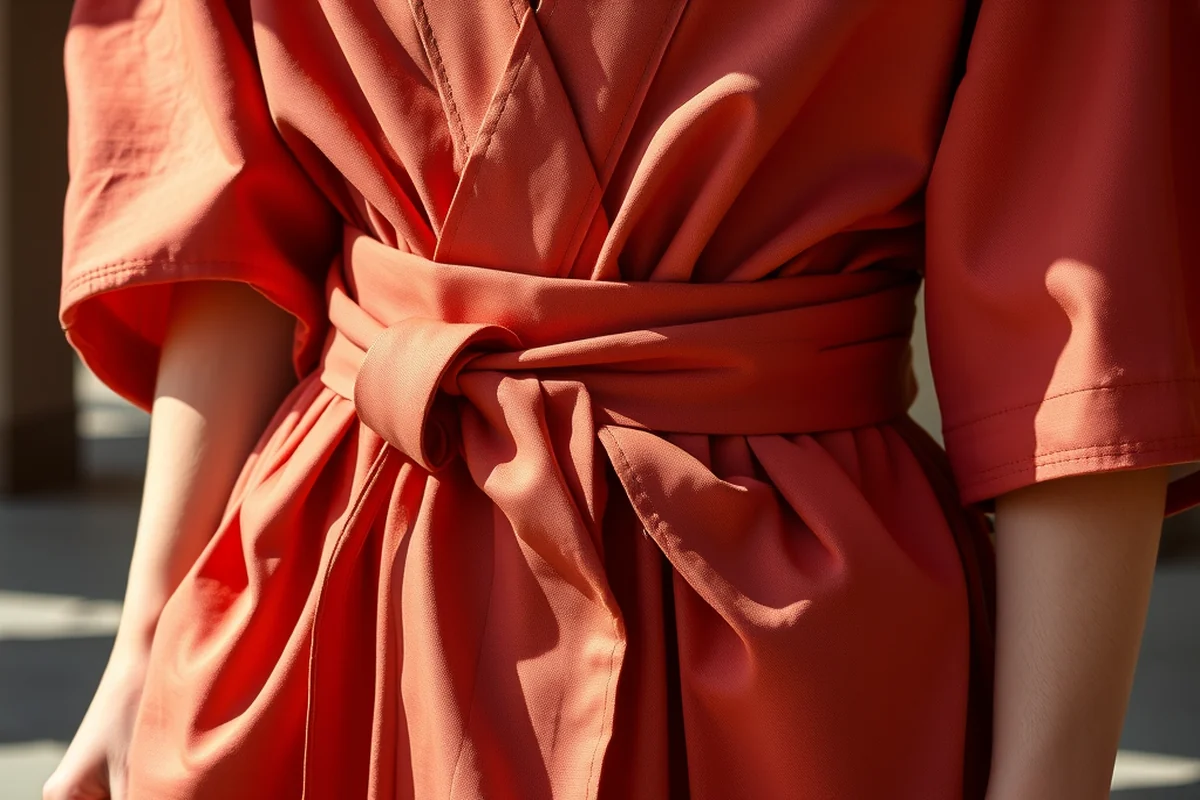
The traditional kimono was first worn in the 17th century, during the Edo period, and was a symbol of social status, with specific patterns and colors reserved for different classes and occasions. Over time, the kimono became a more casual garment, especially for women.
In the 20th century, the kimono began to be adapted into more Western-style clothing, including dresses and blouses. This shift was driven by the need for more practical, everyday wear, while still retaining the kimono's aesthetic.
Today, the kimono dress is a bridge between tradition and modernity, offering a unique way to incorporate Japanese culture into contemporary fashion without compromising comfort or style.
A kimono is not just clothing — it's a symbol of identity and heritage.
Related: Is pink and victoria s secret
How to Style a Kimono Dress
For a casual look, pair a lightweight kimono dress with a simple white t-shirt and sandals. Add a leather tote and minimalist jewelry for a relaxed, yet elegant ensemble.
For a more formal event, opt for a silk kimono dress in a deep color like navy or black. Pair it with a high-neck blouse and heels, and add a statement belt to define the waist and elevate the look.
I've found that the best way to style a kimono dress is to let it be the focal point. Choose accessories that complement the fabric and pattern, rather than competing with it. A simple pair of minimalist earrings or a bold pendant can make all the difference.
Layer a sheer kimono dress over a bodysuit or crop top for a dramatic, layered effect that adds depth and interest to the outfit.
“I remember the first time I walked into a shop in Kyoto and saw a kimono dress hanging on the rack.”— Hemlonger editors
Related: Tall dresses brand product picks for small spaces
The Fabric and Quality of Kimono Dresses
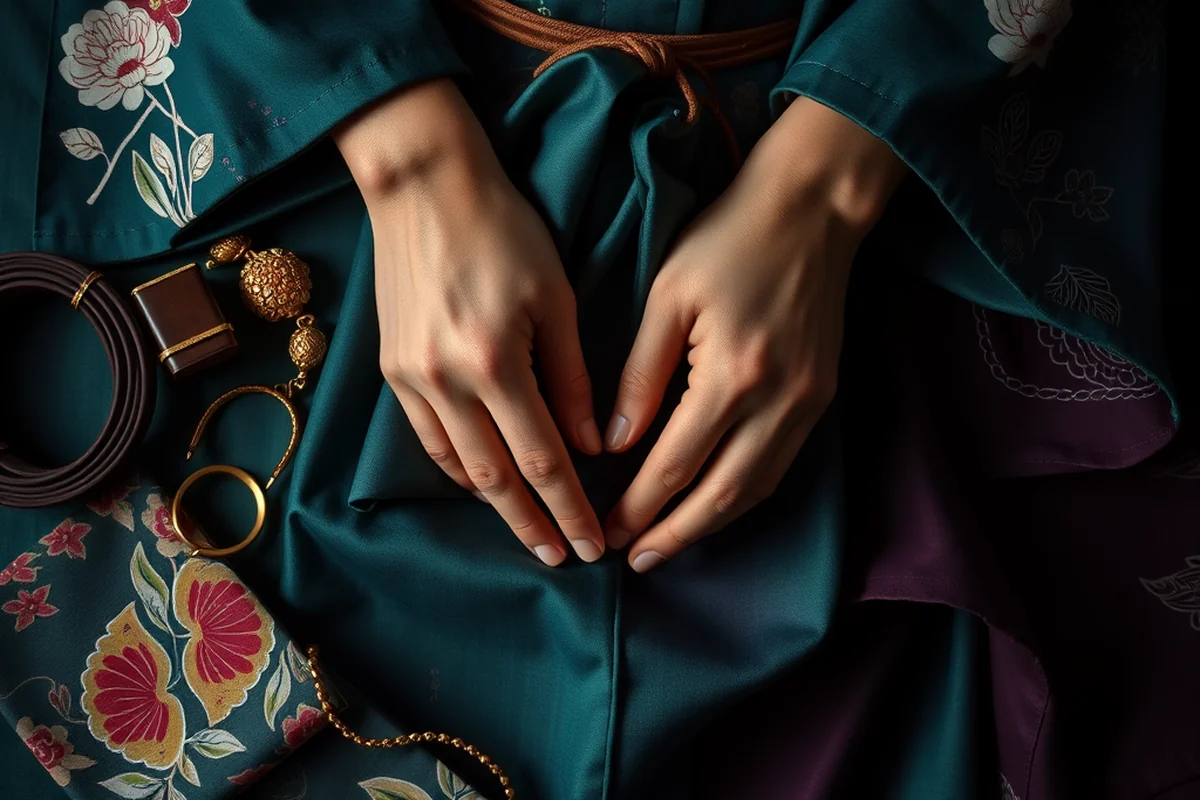
Traditional kimono dresses are made from silk, which is known for its softness, luster, and breathability. However, modern versions may use rayon, cotton, or even synthetic blends, which offer similar aesthetics at a more affordable price.
The quality of the fabric is crucial in a kimono dress, as it affects how it drapes, how comfortable it is to wear, and how long it will last. I've noticed that higher-quality fabrics tend to hold their shape better and resist wrinkles and fading.
I've personally tested several kimono dresses made from different materials. I found that a silk kimono dress feels absolutely luxurious against the skin and has a subtle sheen that adds elegance to any outfit.
Related: Easy tall dresses brand product picks
Kimono Dresses for Different Body Types
For petite frames, look for shorter kimono dresses that sit just above the knee and pair them with high-waisted trousers or skirts to elongate the legs. A belt can also help define the waist and create a more balanced look.
Taller individuals may prefer longer kimono dresses that extend to the floor or just above the ankle. These add a dramatic flair and can be paired with minimalistic accessories for a more refined look.
I've found that the key to styling a kimono dress for different body types is to focus on proportion and balance. Layering with the right accessories and choosing the right fabric can make a significant difference in how the dress looks and feels.
Related: Tall dresses brand checklist
Kimono Dresses for Different Occasions
For a casual day out, a light-colored kimono dress in a simple pattern can be paired with sneakers or flats and a lightweight jacket for a relaxed yet stylish look.
For a semi-formal event, a kimono dress with a more intricate pattern or a darker color can be dressed up with heels, a statement belt, and a structured handbag.
I've worn a kimono dress to a cocktail party, and the response was overwhelmingly positive. It's a piece that can be both casual and formal, depending on how it's styled and what accessories are chosen.
A kimono dress is like a chameleon — it adapts to the occasion and the mood.
Related: Tall dresses product checklist
Caring for Your Kimono Dress
When washing a kimono dress, always check the care label first. Many silk or rayon kimono dresses should be dry-cleaned to preserve the fabric and prevent shrinkage or damage.
If machine-washing is an option, use a gentle cycle and cold water. Hang the dress to dry in a shaded area to avoid fading from direct sunlight.
I've found that storing a kimono dress in a cool, dry place and using a padded hanger can help maintain its shape and prevent wrinkles. It's also a good idea to avoid folding it for long periods, as this can cause creases that are difficult to remove.
The Art of Custom Kimono Dress Making
Creating a custom kimono dress involves precise measurements and careful fabric selection. A typical process may take between 15 to 25 hours, depending on complexity. The tailor starts by taking body measurements, focusing on the bust, waist, and hip to ensure a proper fit. This step is critical as even a 1 cm difference can affect the overall look and comfort of the dress.[1]
Next, the tailor selects the fabric, considering factors like drape, sheen, and weight. Traditional kimono fabric, such as silk or cotton, is often preferred for its quality and feel. Once the fabric is chosen, the tailor begins cutting and sewing, using techniques like hand-stitching for intricate details. This process is labor-intensive, with each stitch adding to the overall craftsmanship and cost.
Finally, the dress is tested for fit and comfort, with adjustments made as needed. A custom kimono dress can cost anywhere from $500 to $2,000, depending on the fabric and complexity. The result is a one-of-a-kind piece that reflects both the wearer's personality and the tailor's expertise. This bespoke approach ensures a level of quality and personalization that mass-produced garments cannot match.
💰 Budget-Friendly
Affordable kimono dresses in basic solid colors or simple patterns, perfect for those looking to experiment without a high cost.
💼 Workwear
Subtle, neutral-colored kimono dresses with minimalist patterns, ideal for office wear that adds a touch of elegance to your professional wardrobe.
👗 Casual
Lightweight, flowy kimono dresses in playful colors and bold patterns, perfect for weekend outings and relaxed evenings.
👗 Petite/Tall Adaptation
Tailored kimono dresses in shorter or longer lengths, designed to flatter petite and tall body types with proportionate cuts and detailing.
👜 Capsule Collection
A curated selection of 5 core kimono dresses in neutral tones and versatile designs, allowing you to create up to 12 outfits with minimal effort.[2]
| The mistake | Why it happens | The fix |
|---|---|---|
| Choosing a kimono dress that is too tight. | A kimono dress should flow and drape naturally for comfort and elegance. A tight fit can restrict movement and ruin the overall look. | Select a kimono dress that allows for a relaxed fit, ensuring it sits comfortably on the body and moves freely with your motions. |
| Wearing a kimono dress without a belt. | A belt can help define the waist and create a more balanced, flattering silhouette, especially in longer kimono dresses. | Choose a belt that complements the dress's style and color, and use it to accentuate your natural waistline. |
| Ignoring the care label on the dress. | Failing to follow care instructions can lead to fabric damage, shrinkage, or loss of color and shape over time. | Always check the care label before washing or storing the dress, and follow the recommended guidelines to preserve its quality and longevity. |
| Over-accessorizing a kimono dress. | Too many accessories can overwhelm the look of a kimono dress, making it appear cluttered rather than elegant. | Opt for minimalistic accessories that complement the dress's design, such as a simple necklace or a pair of minimalist earrings. |
What Is A Japanese Kimono Dress
Common Questions
Can I wear a kimono dress in the summer?
Are kimono dresses only for special occasions?
How do I choose the right kimono dress for my body type?
What are the best fabrics for a kimono dress?
References
- History and techniques of the kimono - Academia.edu (academia.edu)
- Japanese Art from the Collection - Accessible Exhibition Text (asia.si.edu)
Cite this guide
Hemlonger (2026). What Is A Japanese Kimono Dress. https://hemlonger.com/what-is-a-japanese-kimono-dress/
Feel free to cite or share this guide.