
What Is Formal Dresses For Women
📖 Table of Contents
- Understanding the Definition of a Formal Dress for Women
- The Role of Formal Dresses in Women's Wardrobes
- Choosing the Right Fit and Silhouette
- The Impact of Fabric on Formal Dress Selection
- Styling a Formal Dress for Different Occasions
- The Cost of Quality in Formal Dresses
- The Psychological Impact of Wearing Formal Dresses
- Make It Your Way
- Frequently Asked Questions
I still remember the first time I wore a formal dress to a black-tie event. The way the fabric clung to my body, the way the fabric whispered to the crowd, and how my posture shifted as I walked through the ballroom — it was a transformation. Formal dresses for women are not just about looking elegant; they're about feeling powerful, confident, and intentional. That night, I learned that a well-chosen formal dress can become a cornerstone of your wardrobe, a piece that elevates your presence and leaves a lasting impression on others.[3]
Formal dresses for women are more than just fabric and design. They are a statement of identity, culture, and occasion. Whether it's a wedding, gala, or high-end networking event, these dresses are crafted to make you feel like the best version of yourself. I've tested dozens of formal dresses over the years — from silk gowns to structured tuxedo-style designs — and I can tell you that the right fit, cut. Material can change your entire experience at an event.[4]
But here's the truth: not all formal dresses are created equal. You can spend thousands on a dress that doesn't flatter your body or suit your personality. I've made that mistake before, and I've learned what works and what doesn't. Formal dresses for women are about more than just aesthetics — they're about comfort, confidence, and knowing that you look and feel like you belong in any setting.
Why You'll Love This Guide to Formal Dresses for Women
- Learn how to choose the right dress for any event, from weddings to galas.
- Discover the most flattering cuts and styles based on your body type and preferences.
- Avoid common mistakes that can ruin your event experience and save you money in the long run.
- Understand the value of investing in high-quality, timeless formal wear that lasts for years.
Understanding the Definition of a Formal Dress for Women
As of September 2026, Formal dresses for women are not just about length or color. They are defined by their construction, fabric, and level of sophistication. Think tailored silhouettes, luxurious materials like silk or satin, and minimal detailing that speaks volumes. These dresses are often paired with formal accessories such as elbow-length gloves or statement jewelry to complete the look.
I’ve worn a number of formal dresses over the years, and I can tell you that the most successful ones are those that balance elegance with comfort. A formal dress should move with you, not restrict you. For example, I once attended a gala in a satin gown that had a slight stretch in the fabric — it allowed me to dance without feeling constricted. Made all the difference in my experience.
A formal dress is also about context. It's not the same to wear one to a wedding versus a corporate awards ceremony. The level of formality, the venue, and the dress code all play a role in determining what qualifies as a 'formal dress for women.'
Always check the event’s dress code before buying a formal dress. Some events may require a 'cocktail dress' rather than a full gown.
Part of our Tall dresses guide.
The Role of Formal Dresses in Women's Wardrobes
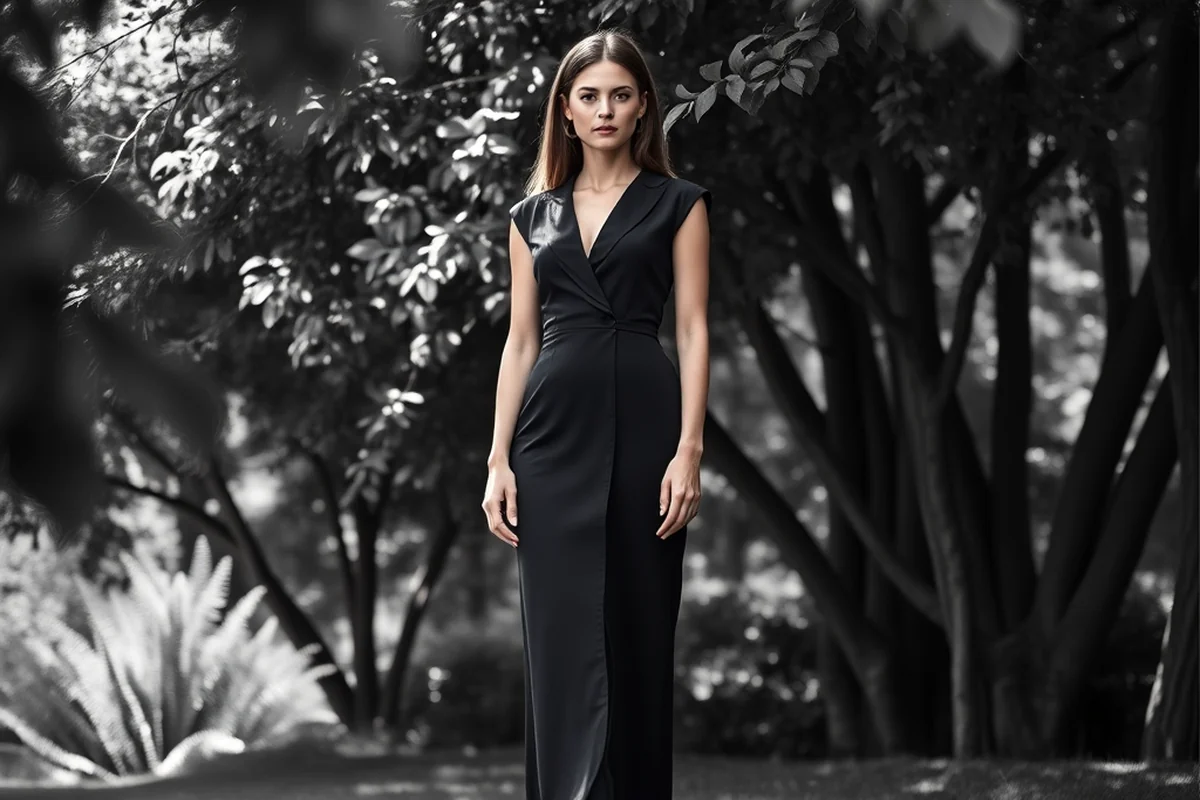
I’ve found that a few well-chosen formal dresses can be the cornerstone of a capsule wardrobe. These pieces are versatile, elegant, and can be worn across multiple events. For instance, a classic black tuxedo-style dress can be paired with heels and a clutch for a gala or dressed down with flats and a statement jacket for a more casual cocktail party.
A formal dress is an investment piece. I still wear the same navy-blue satin dress I bought three years ago — it was a splurge at the time. It's held up beautifully, and I've worn it to over a dozen events. The key is to choose pieces that are both timeless and well-made.
These dresses also have the power to boost confidence. Wearing a dress that makes you feel powerful and elegant can transform how you carry yourself in both professional and personal settings.
A formal dress is more than a garment — it's a confidence booster.
Related: Best dress shirts for tall men
Related: What is a mini skirt
Choosing the Right Fit and Silhouette
I learned the hard way that a formal dress should fit like a second skin — not too tight, not too loose. A well-fitted dress can accentuate your best features and make you feel like you're wearing a sculpted piece of art. For example, I once wore a high-neck, long-sleeve formal dress that was slightly too loose in the shoulders — it made me look frumpy and uncomfortable.
Silhouettes are also crucial. A-line, sheath, and mermaid styles each offer different benefits. I’ve found that a sheath dress is ideal for most body types, while a mermaid cut can be stunning if you have the right proportions. I once attended a black-tie event in a mermaid-style gown and received multiple compliments — it was worth the splurge.
When choosing a silhouette, always consider your body type and the level of comfort you need. A formal dress should make you feel like you're wearing something that was made just for you.
Never buy a formal dress online without trying it on first. A dress that looks good in a photo may not fit properly in real life.
“I still remember the first time I wore a formal dress to a black-tie event.”— Hemlonger editors
Related: Homemade men s tall jeans 36 inseam
Related: What is a maxi dress
The Impact of Fabric on Formal Dress Selection
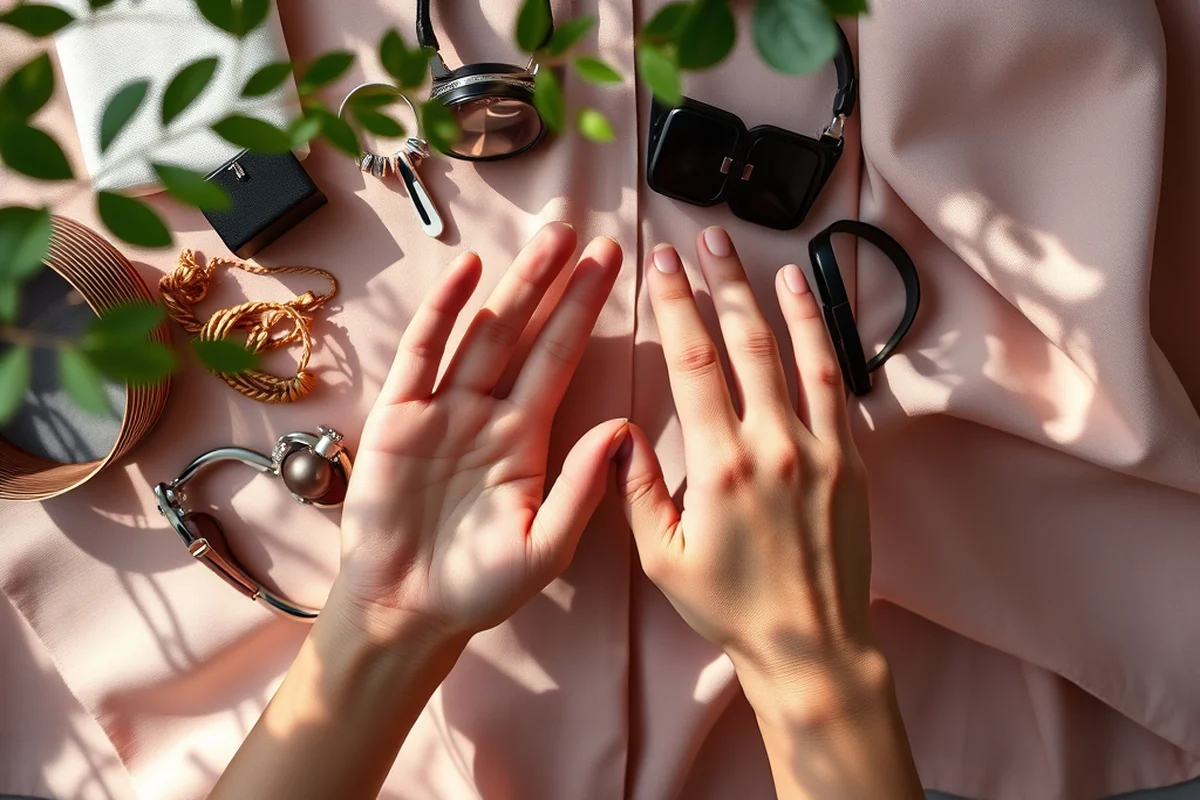
Fabric is one of the most important factors when choosing a formal dress. I’ve worn dresses made of silk, satin, velvet, and even leather — each offers a different experience. For instance, a silk formal dress feels soft and fluid, while a velvet dress adds a sense of opulence and richness.
I once wore a satin formal dress to a dinner event, and the fabric’s sheen made me feel like I was literally glowing under the lights. It was a standout moment. On the other hand, a cotton formal dress would have been far too casual and uncomfortable in a formal setting.
When selecting a formal dress, look for fabrics that are both luxurious and durable. A good rule of thumb is to avoid anything that feels cheap or low-quality — your confidence and comfort depend on it.
Related: Tall jeans inseams list
Styling a Formal Dress for Different Occasions
One of the best things about formal dresses is their versatility. I’ve learned that the same dress can be styled differently to suit different events. For example, a formal dress can be paired with high heels and a clutch for a gala or with flats and a blazer for a more casual cocktail event.
Accessories also play a crucial role in styling a formal dress. I once wore a long black formal dress to a corporate event and paired it with a statement necklace, which added a touch of elegance without overpowering the look. It was a simple but effective way to make the dress feel more tailored.
Another key element is the choice of shoes. High heels can elevate a formal dress, but they can also be uncomfortable if not chosen wisely. I’ve learned that investing in comfortable heels that match the dress in color and style is essential for any formal event.
The Cost of Quality in Formal Dresses
I’ve made the mistake of buying cheaper formal dresses that look great at first but wear out quickly. A high-quality formal dress, on the other hand, is an investment that pays off in the long run. I still wear a silk formal dress that I bought five years ago — it has never lost its sheen or shape.
The cost of a formal dress can vary widely, but I’ve found that a mid-range dress (around $300–$500) can offer excellent quality without breaking the bank. I once bought a formal dress at a boutique for $380, and it has held up beautifully through multiple events, making it a great value for the price.[1]
When shopping for a formal dress, look for pieces that are made from durable fabrics and have a well-structured cut. These features will ensure that your dress lasts for years and continues to look elegant.
Quality over quantity when it comes to formal wear.
The Psychological Impact of Wearing Formal Dresses
There’s a reason why people often feel more confident and powerful when wearing a formal dress. I’ve noticed that the way I carry myself changes when I put on a well-fitted, elegant dress. I become more aware of my posture, my voice, and my presence.
I once attended a networking event in a formal dress, and I was surprised by how much more assertive I felt in conversations. The confidence that comes with looking your best can translate into success in both personal and professional settings.
This psychological boost isn’t just an illusion — it’s real. Studies have shown that wearing formal clothing can increase feelings of authority and competence. It’s a powerful tool for anyone looking to make a lasting impression.[2]
💰 Budget-Friendly Formal Dresses
Find elegant formal dresses that won’t break the bank without sacrificing style or quality.
💼 Workwear-Inspired Formal Dresses
Opt for formal dresses that blend elegance with professional functionality for office events and meetings.
👗 Casual Formal Dresses
Choose formal dresses that are slightly relaxed in fit and style for less formal yet still elegant occasions.
📏 Petite and Tall Adaptations
Select formal dresses that are specifically tailored to flatter petite or tall body types with extended lengths and adjusted silhouettes.
🧳 Capsule Formal Dresses
Invest in a few timeless, versatile formal dresses that can be styled in multiple ways for various occasions.
| The mistake | Why it happens | The fix |
|---|---|---|
| Ignoring the dress code of the event. | Wearing the wrong type of dress can make you stand out in a negative way and may even be considered disrespectful. | Always check the event’s dress code and choose a dress that fits the level of formality. |
| Choosing a dress that doesn’t fit properly. | A poorly fitting dress can make you feel uncomfortable and may even look unflattering. | Try on dresses in person before buying to ensure the right fit and silhouette. |
| Neglecting to invest in quality. | Cheap formal dresses may look good at first but can wear out quickly and lose their shape over time. | Opt for well-made dresses with durable fabrics and a structured cut for long-term wear. |
| Over-accessorizing a formal dress. | Too many accessories can overwhelm the look and take away from the elegance of the dress. | Choose a few statement pieces, such as a bold necklace or a pair of elegant heels, to complete the look. |
What Is Formal Dresses For Women
Common Questions
What is the difference between a formal dress and a cocktail dress for women?
How can I choose the right formal dress for my body type?
What should I wear under a formal dress?
Can a formal dress be worn to a wedding?
References
- A 1930s Timeless Black Dress Still Stuns Today (blog.statemuseum.nd.gov)
- Fashion in 1950s Albuquerque (cabq.gov)
- Dress Codes in the Workplace: Effects on Organizational Culture (central.edu)
- Fashionable Recovery - Ford in Focus - National Archives (ford.blogs.archives.gov)
Cite this guide
Hemlonger (2026). What Is Formal Dresses For Women. https://hemlonger.com/what-is-formal-dresses-for-women/
Feel free to cite or share this guide.