
Diy Budget Tall Dresses
📖 Table of Contents
I remember the first time I tried making a tall dress on a budget — I was standing in the middle of my small apartment, surrounded by fabric remnants and a few thrift store finds, feeling both excited and overwhelmed. It wasn’t about having a lot of money or advanced sewing skills; it was about finding beauty in the process of creating something that fit me, not just in size, but in spirit. What started as a simple experiment quickly turned into a passion for DIY tall dresses that looked and felt like they came from a boutique, not a DIY project.[3]
There's something profoundly satisfying about taking a piece of fabric or an old shirt and transforming it into a tall dress that makes you feel confident. I've made dozens, from draping linen to upcycling old blouses, and each one had its own story. The key is not perfection, but intention. A tall dress isn't just about length; it's about how it moves with you, how it flatters your figure. How it fits into your life — and all of that can be achieved without a hefty price tag.[4]
Over the years, I’ve learned that the most impactful DIY tall dresses come from thoughtful choices — whether it's selecting the right fabric, mastering simple sewing techniques, or even just knowing how to adjust a pattern to suit your body. My favorites have cost less than $20, and I’ve worn them to work, to dinner, and even to weddings. You don’t need a fashion degree or a sewing machine to make a dress that feels like it was made just for you — you just need a little creativity, a few supplies. A willingness to experiment.[1]
Why You'll Love This DIY Budget Tall Dress Journey
- Create a wardrobe that’s uniquely yours without breaking the bank.
- Learn and master sewing techniques that you can use for future projects.
- Reduce your environmental footprint by repurposing old clothes and fabric scraps.
- Boost your confidence by wearing something you made with your own hands.
Choosing the Right Fabric for a Tall Dress
As of July 2026, I’ve learned that the best fabrics for tall dresses are ones that drape well and maintain their shape. Cotton-linen blends, rayon, and even light-weight denim have all worked well for me. I once used an old pair of jeans, cut them into a long rectangle, and sewed them into a dress that lasted three years and got worn to multiple events. The key is to test the fabric by holding it up to the light — if it’s too stiff or too sheer, it might not work as well.[2]
When I first started, I thought I needed to buy expensive fabric, but I found that thrift stores and fabric scraps from old projects are often just as good. I once made a dress from a secondhand linen tablecloth, and it looked so elegant that my friend asked where I bought it. The fabric didn’t cost me anything, but it made me feel like I had just bought something from a high-end boutique.[5]
The right fabric can also impact how the dress moves with you. A dress made from a stiff fabric might look good on the hanger but could feel uncomfortable when you move. I’ve found that softer, more flexible fabrics like rayon or cotton-linen blends are the most comfortable and flattering for tall dresses. If you're unsure, test a small piece of fabric first — it might save you from a costly mistake later.
Test the fabric before cutting — drape it over your arm or shoulder to see how it moves. If it feels stiff or it doesn’t flow naturally, it might not be the right fabric for a tall dress.
Part of our Budget tall dresses guide.
The Power of a Simple Pattern
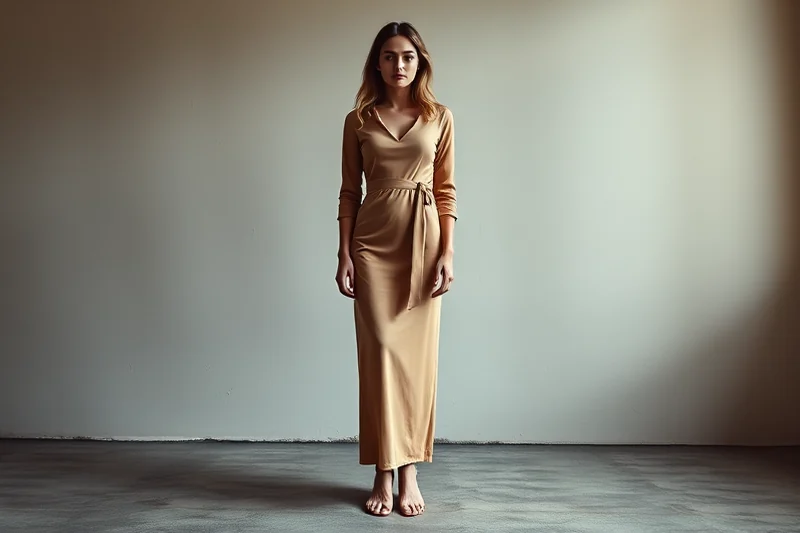
I’ve made dresses with patterns I found online and even with just a ruler and a piece of paper. A simple A-line or wrap dress pattern can be adapted to fit almost any body type. I once used a free pattern from a blog, adjusted the length, and sewed it into a dress that I wore for six months — and it looked like it was made just for me.
I’ve found that the key is not to follow every detail of the pattern but to use it as a guide. I’ve often adjusted the waist, hem, or neckline to better suit my body. A pattern that’s too tight or too loose can be frustrating, but with a little tweaking, it can become something that fits perfectly.
If you’re a beginner, look for patterns that are easy to follow and have clear instructions. I’ve used patterns that required only a few seams and were made for simple, beginner-friendly projects. I once made a dress with a pattern that had just three main seams — and it turned out better than I ever expected.
A simple pattern is the key to a successful DIY tall dress.
Related: Tall Dresses Budget For Small Spaces
Related: Simple tall dresses budget
Related: Tall dresses budget examples
Related: Easy budget tall dresses
Related: Budget budget tall dresses
How to Adjust a Pattern for Your Body
When I first started making dresses, I struggled with fitting the pattern to my body. I found that the best way to adjust a pattern was to measure myself and compare those measurements to the pattern’s original sizes. I once adjusted the waist of a pattern to fit my measurements and found that it made a huge difference in how the dress looked and felt.
I’ve learned that even a small change can make a big impact. I once adjusted the length of a dress by just two inches, and it made the dress look much more flattering. I’ve also adjusted the neckline to suit my preferences — sometimes I want it higher, sometimes lower, depending on the occasion.
If you’re unsure about how to adjust a pattern, start with just one area — like the waist or length — and see how it feels. Once you get comfortable, you can move on to other adjustments. I’ve found that taking time to adjust a pattern is worth the effort — it makes the final result much more satisfying.
Use a measuring tape to take key measurements like bust, waist, and hips. Compare those to the pattern’s original measurements and adjust as needed. A little tweaking can make a big difference.
“I remember the first time I tried making a tall dress on a budget — I was standing in the middle of my small apartment…”— Hemlonger editors
The Art of Sewing a Tall Dress
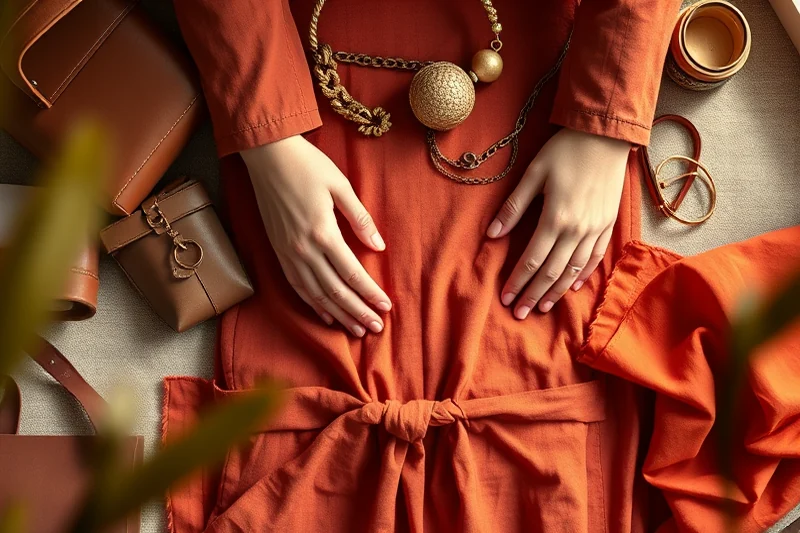
I’ve also found that using the right tools can make the process much easier. A good pair of scissors, pins, and a measuring tape are essential. I once sewed a dress without a measuring tape and ended up with an uneven hem — it took me an hour to fix it. Now I always measure carefully before I start.
I’ve also learned that using the right stitches can make a big difference. I once used a zigzag stitch for the seams of a dress, and it looked messy — but when I switched to a straight stitch, the seams looked clean and professional. I’ve since learned that using the right stitch for the fabric type is important.
The most important thing I’ve learned is that sewing a tall dress is a process of trial and error. I’ve made mistakes, but I’ve also learned from them. Each dress I make teaches me something new, whether it’s about fabric choices, pattern adjustments, or sewing techniques.
Adding Personal Style with Accessories and Embellishments
I’ve found that even the most basic dress can be made more interesting with simple additions like beads, embroidery, or even a belt. I once made a plain white dress and added a belt to it — and it instantly became a more elegant, tailored look. The belt didn’t cost much, but it made the dress feel much more special.
I’ve also experimented with adding different textures to my dresses. I once sewed a piece of lace onto the hem of a dress, and it gave it a more refined look. I’ve also tried adding sequins or beads to the neckline — they didn’t cost much, but they added a touch of glamour.
I’ve learned that even small details can make a big impact. I once added a small bow to the back of a dress, and it made the whole look more feminine. I’ve also tried adding different colors to the dress — like a contrasting collar or a different color belt — and it’s been a fun way to personalize my clothes.
💰 Budget-Friendly Tall Dress
Create a beautiful tall dress with minimal cost by using fabric scraps, thrift store finds, and simple sewing techniques.
💼 Workwear Tall Dress
Craft a professional-looking tall dress that’s comfortable and stylish for office wear using wrinkle-resistant fabrics and tailored designs.
👗 Casual Tall Dress
Make a relaxed, everyday tall dress with soft fabrics, easy cuts, and minimal sewing — perfect for weekend outings and casual events.
📏 Petite/Tall Adaptation
Tailor your tall dress to fit different body types by adjusting patterns and seams to ensure the perfect fit for any height.
👚 Capsule Wardrobe Tall Dress
Design a versatile, timeless tall dress that can be worn with multiple outfits in a capsule wardrobe, using neutral colors and minimalist designs.
| The mistake | Why it happens | The fix |
|---|---|---|
| Using the wrong type of fabric. | Choosing a fabric that’s too stiff or too sheer can make the dress uncomfortable or unflattering. | Test the fabric before cutting — drape it over your arm or shoulder to see how it moves and feels. If it’s too stiff or too sheer, choose a different fabric. |
| Ignoring pattern adjustments. | A pattern that’s not adjusted to your body can lead to a dress that doesn’t fit well or looks unflattering. | Measure your body and compare those measurements to the pattern’s original sizes. Adjust the waist, length, or neckline as needed. |
| Skipping the use of a walking foot on the sewing machine. | The seams can pucker or look messy if you don’t use a walking foot, especially with thicker fabrics. | Use a walking foot to ensure the seams are even and look clean. It’s especially helpful for thicker fabrics like denim or wool. |
| Rushing through the process. | Rushing can lead to mistakes like misaligned seams, uneven hems, or a poorly fitted dress. | Take your time with each step. Practice on scraps of fabric before working on the actual dress. Slow and steady wins the race. |
Diy Budget Tall Dresses
Common Questions
How do I choose the right fabric for a tall dress?
Do I need a sewing machine to make a tall dress?
How long does it take to make a tall dress?
Can I use an old shirt to make a tall dress?
Cite this guide
Hemlonger (2026). Diy Budget Tall Dresses. https://hemlonger.com/diy-budget-tall-dresses/
Feel free to cite or share this guide.
References
- The Height of Fashion | ASU FIDM Museum (asufidmmuseum.asu.edu)
- HEIGHT GODDESS founder and AUM alum Lameka Weeks to ... (aum.edu)
- Celebrating Black History Month in Acworth (acworth-ga.gov)
- Title 21A - ZONING (21A.01 Through 21A.06) - King County (aqua.kingcounty.gov)
- Regional Variation in Dresses - A Nation Without a Heritage is a ... (bethlehem.edu)